mirror of
https://github.com/huggingface/lerobot.git
synced 2026-06-17 00:07:03 +00:00
Compare commits
55 Commits
| Author | SHA1 | Date | |
|---|---|---|---|
 Jade Choghari Jade Choghari
|
ccc1a104db | ||
|
Huy
|
a5ca206c49 | ||
|
Bryson Jones
|
88100943ef | ||
|
Jade Choghari
|
a95b15ccc0 | ||
|
Xingdong Zuo
|
a97d078d95 | ||
|
Steven Palma
|
98662e5f24 | ||
|
Caroline Pascal
|
4d8f242af9 | ||
|
Francesco Capuano
|
1ff8986c77 | ||
|
Lycoris
|
f0aeded142 | ||
|
Steven Palma
|
da5d2f3e91 | ||
|
Steven Palma
|
d6ea3bbce0 | ||
|
pre-commit-ci[bot]
|
7aedbbf81a | ||
|
Steven Palma
|
1ee8d824f5 | ||
|
Maximilian Li
|
f7c4f99545 | ||
|
Steven Palma
|
92b6254473 | ||
|
Ilia Larchenko
|
79137f58d1 | ||
|
azaracla
|
da9c2e66f4 | ||
|
Steven Palma
|
45730cc71e | ||
|
yfynb1111
|
5d4af4b0b1 | ||
|
Edgar Riba
|
0050d7c61c | ||
|
Jade Choghari
|
cf2897f545 | ||
|
Steven Palma
|
2c18210d02 | ||
|
dependabot[bot]
|
44bf283701 | ||
|
Antoine
|
a51682b266 | ||
|
Robin Glauser
|
ed49c9935a | ||
|
Infinity4B
|
52455d03a7 | ||
|
Steven Palma
|
4afb253825 | ||
|
Steven Palma
|
96c664e09f | ||
|
Steven Palma
|
8bd0aec618 | ||
|
Pepijn
|
e82e7a02e9 | ||
|
Ryan Pennings
|
845b359d39 | ||
|
Steven Palma
|
a6ff3cfebb | ||
|
Jade Choghari
|
271d92dcaa | ||
|
Michel Aractingi
|
8e940bf361 | ||
|
Steven Palma
|
6e8be57eb2 | ||
|
Francesco Capuano
|
723013c71b | ||
|
Steven Palma
|
bf6ac5e110 | ||
|
Steven Palma
|
3ce5bcf24d | ||
|
Francesco Capuano
|
6f5bb4d4a4 | ||
|
Francesco Capuano
|
f29311ccb0 | ||
|
Michel Aractingi
|
0c79cf8f4e | ||
|
Michel Aractingi
|
f2ff370459 | ||
|
Juan Pizarro
|
25f60c301b | ||
|
Jade Choghari
|
0699b46d87 | ||
|
Michel Aractingi
|
b8f7e401d4 | ||
|
Pepijn
|
656fc0f059 | ||
|
Steven Palma
|
829d2d1ad9 | ||
|
Pepijn
|
4ccf28437a | ||
|
Steven Palma
|
9a49e57c72 | ||
|
Steven Palma
|
6c28ef894a | ||
|
Steven Palma
|
bf3c8746b7 | ||
|
Pepijn
|
9f32e00f90 | ||
|
Michel Aractingi
|
fcaa0ea5f9 | ||
|
Iulia Feroli
|
5ac9356135 | ||
|
Steven Palma
|
b74e2a6113 |
@@ -119,6 +119,7 @@ jobs:
|
||||
TRITON_CACHE_DIR: /home/user_lerobot/.cache/triton
|
||||
container:
|
||||
image: ${{ needs.build-docker-cpu-nightly.outputs.image_tag }} # zizmor: ignore[unpinned-images]
|
||||
options: --shm-size "16gb"
|
||||
credentials:
|
||||
username: ${{ secrets.DOCKERHUB_LEROBOT_USERNAME }}
|
||||
password: ${{ secrets.DOCKERHUB_LEROBOT_PASSWORD }}
|
||||
@@ -158,3 +159,35 @@ jobs:
|
||||
run: pytest tests -vv --maxfail=10
|
||||
- name: Run end-to-end tests
|
||||
run: make test-end-to-end
|
||||
|
||||
# This job runs multi-GPU training tests with 4 GPUs
|
||||
nightly-multi-gpu-tests:
|
||||
name: Nightly Multi-GPU Tests
|
||||
needs: [build-docker-gpu-nightly]
|
||||
runs-on:
|
||||
group: aws-g4dn-12xlarge # Instance with 4 GPUs
|
||||
env:
|
||||
HF_HOME: /home/user_lerobot/.cache/huggingface
|
||||
HF_LEROBOT_HOME: /home/user_lerobot/.cache/huggingface/lerobot
|
||||
TORCH_HOME: /home/user_lerobot/.cache/torch
|
||||
TRITON_CACHE_DIR: /home/user_lerobot/.cache/triton
|
||||
CUDA_VISIBLE_DEVICES: "0,1,2,3"
|
||||
container:
|
||||
image: ${{ needs.build-docker-gpu-nightly.outputs.image_tag }} # zizmor: ignore[unpinned-images]
|
||||
options: --gpus all --shm-size "16gb"
|
||||
credentials:
|
||||
username: ${{ secrets.DOCKERHUB_LEROBOT_USERNAME }}
|
||||
password: ${{ secrets.DOCKERHUB_LEROBOT_PASSWORD }}
|
||||
defaults:
|
||||
run:
|
||||
shell: bash
|
||||
working-directory: /lerobot
|
||||
steps:
|
||||
- name: Verify GPU availability
|
||||
run: |
|
||||
nvidia-smi
|
||||
python -c "import torch; print(f'PyTorch CUDA available: {torch.cuda.is_available()}'); print(f'Number of GPUs: {torch.cuda.device_count()}')"
|
||||
|
||||
- name: Run multi-GPU training tests
|
||||
run: pytest tests/training/test_multi_gpu.py -vv --maxfail=3
|
||||
timeout-minutes: 10
|
||||
|
||||
@@ -103,7 +103,7 @@ jobs:
|
||||
- name: Publish to TestPyPI for pre-releases
|
||||
# True for tags like 'v0.2.0-rc1'
|
||||
if: startsWith(github.ref, 'refs/tags/v') && contains(github.ref, '-')
|
||||
uses: pypa/gh-action-pypi-publish@v1.12.4 # zizmor: ignore[unpinned-uses, use-trusted-publishing]
|
||||
uses: pypa/gh-action-pypi-publish@v1.13.0 # zizmor: ignore[unpinned-uses, use-trusted-publishing]
|
||||
with:
|
||||
repository-url: https://test.pypi.org/legacy/
|
||||
verbose: true
|
||||
@@ -111,7 +111,7 @@ jobs:
|
||||
|
||||
- name: Publish to PyPI
|
||||
if: startsWith(github.ref, 'refs/tags/v') && !contains(github.ref, '-')
|
||||
uses: pypa/gh-action-pypi-publish@v1.12.4 # zizmor: ignore[unpinned-uses, use-trusted-publishing]
|
||||
uses: pypa/gh-action-pypi-publish@v1.13.0 # zizmor: ignore[unpinned-uses, use-trusted-publishing]
|
||||
with:
|
||||
verbose: true
|
||||
print-hash: true
|
||||
@@ -138,7 +138,7 @@ jobs:
|
||||
- name: Setup uv and Python
|
||||
uses: astral-sh/setup-uv@v6 # zizmor: ignore[unpinned-uses]
|
||||
with:
|
||||
enable-cache: true
|
||||
enable-cache: true # zizmor: ignore[cache-poisoning]
|
||||
version: ${{ env.UV_VERSION }}
|
||||
python-version: ${{ env.PYTHON_VERSION }}
|
||||
- name: Create uv virtual environment
|
||||
|
||||
@@ -27,15 +27,17 @@ env:
|
||||
This issue was closed because it has been stalled for 14 days with no activity.
|
||||
Feel free to reopen if is still relevant, or to ping a collaborator if you have any questions.
|
||||
CLOSE_PR_MESSAGE: >
|
||||
This PR was closed because it has been stalled for 14 days with no activity.
|
||||
This PR was closed because it has been stalled for 21 days with no activity.
|
||||
Feel free to reopen if is still relevant, or to ping a collaborator if you have any questions.
|
||||
WARN_ISSUE_MESSAGE: >
|
||||
This issue has been automatically marked as stale because it has not had
|
||||
recent activity (6 months). It will be closed if no further activity occurs.
|
||||
Any change, comment or update to this issue will reset this count.
|
||||
Thank you for your contributions.
|
||||
WARN_PR_MESSAGE: >
|
||||
This PR has been automatically marked as stale because it has not had
|
||||
recent activity (6 months). It will be closed if no further activity occurs.
|
||||
recent activity (1 year). It will be closed if no further activity occurs.
|
||||
Any change, comment or update to this PR will reset this count.
|
||||
Thank you for your contributions.
|
||||
|
||||
jobs:
|
||||
@@ -56,10 +58,10 @@ jobs:
|
||||
stale-pr-label: stale
|
||||
exempt-issue-labels: never-stale
|
||||
exempt-pr-labels: never-stale
|
||||
days-before-issue-stale: 180 # TODO(Steven): Will modify this to 90 after initial cleanup
|
||||
days-before-issue-stale: 180
|
||||
days-before-issue-close: 14
|
||||
days-before-pr-stale: 180
|
||||
days-before-pr-close: 14
|
||||
days-before-pr-stale: 365
|
||||
days-before-pr-close: 21
|
||||
delete-branch: true
|
||||
close-issue-message: ${{ env.CLOSE_ISSUE_MESSAGE }}
|
||||
close-pr-message: ${{ env.CLOSE_PR_MESSAGE }}
|
||||
|
||||
@@ -0,0 +1,183 @@
|
||||
# Copyright 2025 The HuggingFace Inc. team. All rights reserved.
|
||||
#
|
||||
# Licensed under the Apache License, Version 2.0 (the "License");
|
||||
# you may not use this file except in compliance with the License.
|
||||
# You may obtain a copy of the License at
|
||||
#
|
||||
# http://www.apache.org/licenses/LICENSE-2.0
|
||||
#
|
||||
# Unless required by applicable law or agreed to in writing, software
|
||||
# distributed under the License is distributed on an "AS IS" BASIS,
|
||||
# WITHOUT WARRANTIES OR CONDITIONS OF ANY KIND, either express or implied.
|
||||
# See the License for the specific language governing permissions and
|
||||
# limitations under the License.
|
||||
|
||||
# This workflow handles full testing with unboud dependencies versions.
|
||||
name: Unbound Dependency Tests
|
||||
|
||||
on:
|
||||
# Allows running this workflow manually from the Actions tab
|
||||
workflow_dispatch:
|
||||
|
||||
# Run on the 1st and 15th of every month at 09:00 UTC
|
||||
schedule:
|
||||
- cron: '0 2 1,15 * *'
|
||||
|
||||
permissions:
|
||||
contents: read
|
||||
|
||||
# Sets up the environment variables
|
||||
env:
|
||||
UV_VERSION: "0.8.0"
|
||||
PYTHON_VERSION: "3.10"
|
||||
DOCKER_IMAGE_NAME: huggingface/lerobot-gpu:unbound
|
||||
|
||||
# Ensures that only the latest action is built, canceling older runs.
|
||||
concurrency:
|
||||
group: ${{ github.workflow }}-${{ github.head_ref || github.run_id }}
|
||||
cancel-in-progress: true
|
||||
|
||||
jobs:
|
||||
|
||||
# This job runs the E2E tests + pytest with all unbound extras
|
||||
full-tests:
|
||||
name: Full Unbound Tests
|
||||
runs-on: ubuntu-latest
|
||||
env:
|
||||
MUJOCO_GL: egl
|
||||
steps:
|
||||
- uses: actions/checkout@v4
|
||||
with:
|
||||
lfs: true
|
||||
persist-credentials: false
|
||||
|
||||
- name: Install apt dependencies
|
||||
run: |
|
||||
sudo apt-get update && sudo apt-get install -y build-essential \
|
||||
git curl libglib2.0-0 libegl1-mesa-dev ffmpeg libusb-1.0-0-dev \
|
||||
speech-dispatcher libgeos-dev portaudio19-dev
|
||||
|
||||
- name: Setup uv and Python
|
||||
uses: astral-sh/setup-uv@v6 # zizmor: ignore[unpinned-uses]
|
||||
with:
|
||||
enable-cache: true
|
||||
version: ${{ env.UV_VERSION }}
|
||||
python-version: ${{ env.PYTHON_VERSION }}
|
||||
|
||||
- name: Unbound dependencies
|
||||
run: |
|
||||
sed -i 's/,[[:space:]]*<[0-9\.]*//g' pyproject.toml
|
||||
echo "Dependencies unbound:" && cat pyproject.toml
|
||||
|
||||
- name: Install lerobot with all extras
|
||||
run: uv sync --all-extras
|
||||
|
||||
- name: Run pytest (all extras)
|
||||
run: uv run pytest tests -vv
|
||||
|
||||
- name: Run end-to-end tests
|
||||
run: uv run make test-end-to-end
|
||||
|
||||
# This job builds a GPU enabled image for testing
|
||||
build-and-push-docker:
|
||||
name: Build and Push Docker
|
||||
runs-on:
|
||||
group: aws-general-8-plus
|
||||
outputs:
|
||||
image_tag: ${{ env.DOCKER_IMAGE_NAME }}
|
||||
env:
|
||||
GITHUB_REF: ${{ github.ref }}
|
||||
steps:
|
||||
- name: Install Git LFS
|
||||
run: |
|
||||
sudo apt-get update
|
||||
sudo apt-get install git-lfs
|
||||
git lfs install
|
||||
- uses: actions/checkout@v4
|
||||
with:
|
||||
lfs: true
|
||||
persist-credentials: false
|
||||
- name: Set up Docker Buildx
|
||||
uses: docker/setup-buildx-action@v3 # zizmor: ignore[unpinned-uses]
|
||||
with:
|
||||
cache-binary: false
|
||||
- name: Login to Docker Hub
|
||||
uses: docker/login-action@v3 # zizmor: ignore[unpinned-uses]
|
||||
with:
|
||||
username: ${{ secrets.DOCKERHUB_LEROBOT_USERNAME }}
|
||||
password: ${{ secrets.DOCKERHUB_LEROBOT_PASSWORD }}
|
||||
- name: Build and push Docker image
|
||||
uses: docker/build-push-action@v6 # zizmor: ignore[unpinned-uses]
|
||||
with:
|
||||
context: .
|
||||
file: ./docker/Dockerfile.internal
|
||||
push: true
|
||||
tags: ${{ env.DOCKER_IMAGE_NAME }}
|
||||
build-args: |
|
||||
UNBOUND_DEPS=true
|
||||
|
||||
# This job runs pytest with all unbound extras in a GPU enabled host
|
||||
# It runs everytime a test image is created
|
||||
gpu-tests:
|
||||
name: GPU Unbound Tests
|
||||
needs: [build-and-push-docker]
|
||||
runs-on:
|
||||
group: aws-g6-4xlarge-plus
|
||||
env:
|
||||
HF_HOME: /home/user_lerobot/.cache/huggingface
|
||||
HF_LEROBOT_HOME: /home/user_lerobot/.cache/huggingface/lerobot
|
||||
TORCH_HOME: /home/user_lerobot/.cache/torch
|
||||
TRITON_CACHE_DIR: /home/user_lerobot/.cache/triton
|
||||
container:
|
||||
image: ${{ needs.build-and-push-docker.outputs.image_tag }} # zizmor: ignore[unpinned-images]
|
||||
options: --gpus all --shm-size "16gb"
|
||||
credentials:
|
||||
username: ${{ secrets.DOCKERHUB_LEROBOT_USERNAME }}
|
||||
password: ${{ secrets.DOCKERHUB_LEROBOT_PASSWORD }}
|
||||
defaults:
|
||||
run:
|
||||
shell: bash
|
||||
working-directory: /lerobot
|
||||
steps:
|
||||
- name: Run pytest on GPU
|
||||
run: pytest tests -vv
|
||||
- name: Run end-to-end tests
|
||||
run: make test-end-to-end
|
||||
|
||||
# This job deletes the test image recently created
|
||||
# It runs everytime after the gpu-tests have finished
|
||||
delete-unbound-image:
|
||||
name: Delete Unbound Image
|
||||
needs: [gpu-tests, build-and-push-docker]
|
||||
if: always() && needs.build-and-push-docker.result == 'success'
|
||||
runs-on: ubuntu-latest
|
||||
steps:
|
||||
- name: Get Docker Hub Token and Delete Image
|
||||
# zizmor: ignore[template-injection]
|
||||
run: |
|
||||
IMAGE_NAME=$(echo "${{ needs.build-and-push-docker.outputs.image_tag }}" | cut -d':' -f1)
|
||||
IMAGE_TAG=$(echo "${{ needs.build-and-push-docker.outputs.image_tag }}" | cut -d':' -f2)
|
||||
|
||||
echo "Attempting to delete image: $IMAGE_NAME:$IMAGE_TAG"
|
||||
|
||||
TOKEN=$(curl -s -H "Content-Type: application/json" \
|
||||
-X POST \
|
||||
-d '{"username": "${{ secrets.DOCKERHUB_LEROBOT_USERNAME }}", "password": "${{ secrets.DOCKERHUB_LEROBOT_PASSWORD }}"}' \
|
||||
https://hub.docker.com/v2/users/login/ | jq -r .token)
|
||||
|
||||
if [ "$TOKEN" == "null" ] || [ -z "$TOKEN" ]; then
|
||||
echo "::error::Failed to get Docker Hub token."
|
||||
exit 1
|
||||
fi
|
||||
|
||||
HTTP_RESPONSE=$(curl -s -o /dev/null -w "%{http_code}" \
|
||||
-H "Authorization: JWT ${TOKEN}" \
|
||||
-X DELETE \
|
||||
https://hub.docker.com/v2/repositories/${IMAGE_NAME}/tags/${IMAGE_TAG}/)
|
||||
|
||||
if [ "$HTTP_RESPONSE" -eq 204 ]; then
|
||||
echo "Successfully deleted Docker image tag: $IMAGE_NAME:$IMAGE_TAG"
|
||||
else
|
||||
echo "::error::Failed to delete Docker image. HTTP status: $HTTP_RESPONSE"
|
||||
exit 1
|
||||
fi
|
||||
@@ -26,7 +26,7 @@ repos:
|
||||
|
||||
##### General Code Quality & Formatting #####
|
||||
- repo: https://github.com/pre-commit/pre-commit-hooks
|
||||
rev: v5.0.0
|
||||
rev: v6.0.0
|
||||
hooks:
|
||||
- id: check-added-large-files
|
||||
args: ['--maxkb=1024']
|
||||
@@ -39,20 +39,20 @@ repos:
|
||||
- id: trailing-whitespace
|
||||
|
||||
- repo: https://github.com/astral-sh/ruff-pre-commit
|
||||
rev: v0.12.4
|
||||
rev: v0.14.1
|
||||
hooks:
|
||||
- id: ruff-format
|
||||
- id: ruff
|
||||
args: [--fix, --exit-non-zero-on-fix]
|
||||
|
||||
- repo: https://github.com/adhtruong/mirrors-typos
|
||||
rev: v1.34.0
|
||||
rev: v1.38.1
|
||||
hooks:
|
||||
- id: typos
|
||||
args: [--force-exclude]
|
||||
|
||||
- repo: https://github.com/asottile/pyupgrade
|
||||
rev: v3.20.0
|
||||
rev: v3.21.0
|
||||
hooks:
|
||||
- id: pyupgrade
|
||||
args: [--py310-plus]
|
||||
@@ -68,12 +68,12 @@ repos:
|
||||
|
||||
##### Security #####
|
||||
- repo: https://github.com/gitleaks/gitleaks
|
||||
rev: v8.27.2
|
||||
rev: v8.28.0
|
||||
hooks:
|
||||
- id: gitleaks
|
||||
|
||||
- repo: https://github.com/woodruffw/zizmor-pre-commit
|
||||
rev: v1.11.0
|
||||
rev: v1.15.2
|
||||
hooks:
|
||||
- id: zizmor
|
||||
|
||||
@@ -87,7 +87,7 @@ repos:
|
||||
# TODO(Steven): Uncomment when ready to use
|
||||
##### Static Analysis & Typing #####
|
||||
- repo: https://github.com/pre-commit/mirrors-mypy
|
||||
rev: v1.16.0
|
||||
rev: v1.18.2
|
||||
hooks:
|
||||
- id: mypy
|
||||
args: [--config-file=pyproject.toml]
|
||||
|
||||
+1
-2
@@ -72,7 +72,6 @@ post it.
|
||||
|
||||
Look at our implementations for [datasets](./src/lerobot/datasets/), [policies](./src/lerobot/policies/),
|
||||
environments ([aloha](https://github.com/huggingface/gym-aloha),
|
||||
[xarm](https://github.com/huggingface/gym-xarm),
|
||||
[pusht](https://github.com/huggingface/gym-pusht))
|
||||
and follow the same api design.
|
||||
|
||||
@@ -138,7 +137,7 @@ Follow these steps to start contributing:
|
||||
4. for development, we advise to use a tool like `poetry` or `uv` instead of just `pip` to easily track our dependencies.
|
||||
Follow the instructions to [install poetry](https://python-poetry.org/docs/#installation) (use a version >=2.1.0) or to [install uv](https://docs.astral.sh/uv/getting-started/installation/#installation-methods) if you don't have one of them already.
|
||||
|
||||
Set up a development environment with conda or miniconda:
|
||||
Set up a development environment with conda:
|
||||
|
||||
```bash
|
||||
conda create -y -n lerobot-dev python=3.10 && conda activate lerobot-dev
|
||||
|
||||
@@ -119,10 +119,9 @@ test-tdmpc-ete-train:
|
||||
--policy.type=tdmpc \
|
||||
--policy.device=$(DEVICE) \
|
||||
--policy.push_to_hub=false \
|
||||
--env.type=xarm \
|
||||
--env.task=XarmLift-v0 \
|
||||
--env.type=pusht \
|
||||
--env.episode_length=5 \
|
||||
--dataset.repo_id=lerobot/xarm_lift_medium \
|
||||
--dataset.repo_id=lerobot/pusht_image \
|
||||
--dataset.image_transforms.enable=true \
|
||||
--dataset.episodes="[0]" \
|
||||
--batch_size=2 \
|
||||
@@ -140,9 +139,10 @@ test-tdmpc-ete-eval:
|
||||
lerobot-eval \
|
||||
--policy.path=tests/outputs/tdmpc/checkpoints/000002/pretrained_model \
|
||||
--policy.device=$(DEVICE) \
|
||||
--env.type=xarm \
|
||||
--env.type=pusht \
|
||||
--env.episode_length=5 \
|
||||
--env.task=XarmLift-v0 \
|
||||
--env.observation_height=96 \
|
||||
--env.observation_width=96 \
|
||||
--eval.n_episodes=1 \
|
||||
--eval.batch_size=1
|
||||
|
||||
|
||||
@@ -104,14 +104,14 @@ LeRobot works with Python 3.10+ and PyTorch 2.2+.
|
||||
|
||||
### Environment Setup
|
||||
|
||||
Create a virtual environment with Python 3.10 and activate it, e.g. with [`miniconda`](https://docs.anaconda.com/free/miniconda/index.html):
|
||||
Create a virtual environment with Python 3.10 and activate it, e.g. with [`miniforge`](https://conda-forge.org/download/):
|
||||
|
||||
```bash
|
||||
conda create -y -n lerobot python=3.10
|
||||
conda activate lerobot
|
||||
```
|
||||
|
||||
When using `miniconda`, install `ffmpeg` in your environment:
|
||||
When using `conda`, install `ffmpeg` in your environment:
|
||||
|
||||
```bash
|
||||
conda install ffmpeg -c conda-forge
|
||||
@@ -197,7 +197,7 @@ wandb login
|
||||
|
||||
### Visualize datasets
|
||||
|
||||
Check out [example 1](https://github.com/huggingface/lerobot/blob/main/examples/1_load_lerobot_dataset.py) that illustrates how to use our dataset class which automatically downloads data from the Hugging Face hub.
|
||||
Check out [example 1](https://github.com/huggingface/lerobot/blob/main/examples/dataset/load_lerobot_dataset.py) that illustrates how to use our dataset class which automatically downloads data from the Hugging Face hub.
|
||||
|
||||
You can also locally visualize episodes from a dataset on the hub by executing our script from the command line:
|
||||
|
||||
@@ -207,13 +207,13 @@ lerobot-dataset-viz \
|
||||
--episode-index 0
|
||||
```
|
||||
|
||||
or from a dataset in a local folder with the `root` option and the `--local-files-only` (in the following case the dataset will be searched for in `./my_local_data_dir/lerobot/pusht`)
|
||||
or from a dataset in a local folder with the `root` option and the `--mode local` (in the following case the dataset will be searched for in `./my_local_data_dir/lerobot/pusht`)
|
||||
|
||||
```bash
|
||||
lerobot-dataset-viz \
|
||||
--repo-id lerobot/pusht \
|
||||
--root ./my_local_data_dir \
|
||||
--local-files-only 1 \
|
||||
--mode local \
|
||||
--episode-index 0
|
||||
```
|
||||
|
||||
@@ -310,7 +310,7 @@ To upload these to the hub, run the following:
|
||||
huggingface-cli upload ${hf_user}/${repo_name} path/to/pretrained_model
|
||||
```
|
||||
|
||||
See [eval.py](https://github.com/huggingface/lerobot/blob/main/src/lerobot/scripts/eval.py) for an example of how other people may use your policy.
|
||||
See [lerobot_eval.py](https://github.com/huggingface/lerobot/blob/main/src/lerobot/scripts/lerobot_eval.py) for an example of how other people may use your policy.
|
||||
|
||||
### Acknowledgment
|
||||
|
||||
|
||||
@@ -75,6 +75,14 @@ RUN uv venv --python python${PYTHON_VERSION}
|
||||
# Install Python dependencies for caching
|
||||
COPY --chown=user_lerobot:user_lerobot pyproject.toml README.md MANIFEST.in ./
|
||||
COPY --chown=user_lerobot:user_lerobot src/ src/
|
||||
|
||||
ARG UNBOUND_DEPS=false
|
||||
|
||||
RUN if [ "$UNBOUND_DEPS" = "true" ]; then \
|
||||
sed -i 's/,[[:space:]]*<[0-9\.]*//g' pyproject.toml; \
|
||||
echo "Dependencies unbound:" && cat pyproject.toml; \
|
||||
fi
|
||||
|
||||
RUN uv pip install --no-cache ".[all]"
|
||||
|
||||
# Copy the rest of the application source code
|
||||
|
||||
@@ -61,6 +61,14 @@ RUN uv venv
|
||||
# Install Python dependencies for caching
|
||||
COPY --chown=user_lerobot:user_lerobot pyproject.toml README.md MANIFEST.in ./
|
||||
COPY --chown=user_lerobot:user_lerobot src/ src/
|
||||
|
||||
ARG UNBOUND_DEPS=false
|
||||
|
||||
RUN if [ "$UNBOUND_DEPS" = "true" ]; then \
|
||||
sed -i 's/,[[:space:]]*<[0-9\.]*//g' pyproject.toml; \
|
||||
echo "Dependencies unbound:" && cat pyproject.toml; \
|
||||
fi
|
||||
|
||||
RUN uv pip install --no-cache ".[all]"
|
||||
|
||||
# Copy the rest of the application code
|
||||
|
||||
@@ -7,8 +7,6 @@
|
||||
- sections:
|
||||
- local: il_robots
|
||||
title: Imitation Learning for Robots
|
||||
- local: il_sim
|
||||
title: Imitation Learning in Sim
|
||||
- local: cameras
|
||||
title: Cameras
|
||||
- local: integrate_hardware
|
||||
@@ -19,23 +17,35 @@
|
||||
title: Train RL in Simulation
|
||||
- local: async
|
||||
title: Use Async Inference
|
||||
- local: multi_gpu_training
|
||||
title: Multi GPU training
|
||||
title: "Tutorials"
|
||||
- sections:
|
||||
- local: lerobot-dataset-v3
|
||||
title: Using LeRobotDataset
|
||||
- local: porting_datasets_v3
|
||||
title: Porting Large Datasets
|
||||
- local: using_dataset_tools
|
||||
title: Using the Dataset Tools
|
||||
title: "Datasets"
|
||||
- sections:
|
||||
- local: act
|
||||
title: ACT
|
||||
- local: smolvla
|
||||
title: SmolVLA
|
||||
- local: pi0
|
||||
title: π₀ (Pi0)
|
||||
- local: pi05
|
||||
title: π₀.₅ (Pi05)
|
||||
title: "Policies"
|
||||
- sections:
|
||||
- local: il_sim
|
||||
title: Imitation Learning in Sim
|
||||
- local: libero
|
||||
title: Using Libero
|
||||
title: "Policies"
|
||||
- local: metaworld
|
||||
title: Using MetaWorld
|
||||
title: "Simulation"
|
||||
- sections:
|
||||
- local: introduction_processors
|
||||
title: Introduction to Robot Processors
|
||||
|
||||
@@ -0,0 +1,92 @@
|
||||
# ACT (Action Chunking with Transformers)
|
||||
|
||||
ACT is a **lightweight and efficient policy for imitation learning**, especially well-suited for fine-grained manipulation tasks. It's the **first model we recommend when you're starting out** with LeRobot due to its fast training time, low computational requirements, and strong performance.
|
||||
|
||||
<div class="video-container">
|
||||
<iframe
|
||||
width="100%"
|
||||
height="415"
|
||||
src="https://www.youtube.com/embed/ft73x0LfGpM"
|
||||
title="LeRobot ACT Tutorial"
|
||||
frameborder="0"
|
||||
allow="accelerometer; autoplay; clipboard-write; encrypted-media; gyroscope; picture-in-picture"
|
||||
allowfullscreen
|
||||
></iframe>
|
||||
</div>
|
||||
|
||||
_Watch this tutorial from the LeRobot team to learn how ACT works: [LeRobot ACT Tutorial](https://www.youtube.com/watch?v=ft73x0LfGpM)_
|
||||
|
||||
## Model Overview
|
||||
|
||||
Action Chunking with Transformers (ACT) was introduced in the paper [Learning Fine-Grained Bimanual Manipulation with Low-Cost Hardware](https://arxiv.org/abs/2304.13705) by Zhao et al. The policy was designed to enable precise, contact-rich manipulation tasks using affordable hardware and minimal demonstration data.
|
||||
|
||||
### Why ACT is Great for Beginners
|
||||
|
||||
ACT stands out as an excellent starting point for several reasons:
|
||||
|
||||
- **Fast Training**: Trains in a few hours on a single GPU
|
||||
- **Lightweight**: Only ~80M parameters, making it efficient and easy to work with
|
||||
- **Data Efficient**: Often achieves high success rates with just 50 demonstrations
|
||||
|
||||
### Architecture
|
||||
|
||||
ACT uses a transformer-based architecture with three main components:
|
||||
|
||||
1. **Vision Backbone**: ResNet-18 processes images from multiple camera viewpoints
|
||||
2. **Transformer Encoder**: Synthesizes information from camera features, joint positions, and a learned latent variable
|
||||
3. **Transformer Decoder**: Generates coherent action sequences using cross-attention
|
||||
|
||||
The policy takes as input:
|
||||
|
||||
- Multiple RGB images (e.g., from wrist cameras, front/top cameras)
|
||||
- Current robot joint positions
|
||||
- A latent style variable `z` (learned during training, set to zero during inference)
|
||||
|
||||
And outputs a chunk of `k` future action sequences.
|
||||
|
||||
## Installation Requirements
|
||||
|
||||
1. Install LeRobot by following our [Installation Guide](./installation).
|
||||
2. ACT is included in the base LeRobot installation, so no additional dependencies are needed!
|
||||
|
||||
## Training ACT
|
||||
|
||||
ACT works seamlessly with the standard LeRobot training pipeline. Here's a complete example for training ACT on your dataset:
|
||||
|
||||
```bash
|
||||
lerobot-train \
|
||||
--dataset.repo_id=${HF_USER}/your_dataset \
|
||||
--policy.type=act \
|
||||
--output_dir=outputs/train/act_your_dataset \
|
||||
--job_name=act_your_dataset \
|
||||
--policy.device=cuda \
|
||||
--wandb.enable=true \
|
||||
--policy.repo_id=${HF_USER}/act_policy
|
||||
```
|
||||
|
||||
### Training Tips
|
||||
|
||||
1. **Start with defaults**: ACT's default hyperparameters work well for most tasks
|
||||
2. **Training duration**: Expect a few hours for 100k training steps on a single GPU
|
||||
3. **Batch size**: Start with batch size 8 and adjust based on your GPU memory
|
||||
|
||||
### Train using Google Colab
|
||||
|
||||
If your local computer doesn't have a powerful GPU, you can utilize Google Colab to train your model by following the [ACT training notebook](./notebooks#training-act).
|
||||
|
||||
## Evaluating ACT
|
||||
|
||||
Once training is complete, you can evaluate your ACT policy using the `lerobot-record` command with your trained policy. This will run inference and record evaluation episodes:
|
||||
|
||||
```bash
|
||||
lerobot-record \
|
||||
--robot.type=so100_follower \
|
||||
--robot.port=/dev/ttyACM0 \
|
||||
--robot.id=my_robot \
|
||||
--robot.cameras="{ front: {type: opencv, index_or_path: 0, width: 640, height: 480, fps: 30}}" \
|
||||
--display_data=true \
|
||||
--dataset.repo_id=${HF_USER}/eval_act_your_dataset \
|
||||
--dataset.num_episodes=10 \
|
||||
--dataset.single_task="Your task description" \
|
||||
--policy.path=${HF_USER}/act_policy
|
||||
```
|
||||
@@ -31,15 +31,15 @@ Then, spin up a policy server (in one terminal, or in a separate machine) specif
|
||||
You can spin up a policy server running:
|
||||
|
||||
```shell
|
||||
python src/lerobot/async_inference/policy_server.py \
|
||||
--host=127.0.0.1 \
|
||||
--port=8080 \
|
||||
python -m lerobot.async_inference.policy_server \
|
||||
--host=127.0.0.1 \
|
||||
--port=8080
|
||||
```
|
||||
|
||||
This will start a policy server listening on `127.0.0.1:8080` (`localhost`, port 8080). At this stage, the policy server is empty, as all information related to which policy to run and with which parameters are specified during the first handshake with the client. Spin up a client with:
|
||||
|
||||
```shell
|
||||
python src/lerobot/async_inference/robot_client.py \
|
||||
python -m lerobot.async_inference.robot_client \
|
||||
--server_address=127.0.0.1:8080 \ # SERVER: the host address and port of the policy server
|
||||
--robot.type=so100_follower \ # ROBOT: your robot type
|
||||
--robot.port=/dev/tty.usbmodem585A0076841 \ # ROBOT: your robot port
|
||||
@@ -113,9 +113,9 @@ As such, spinning up a policy server is as easy as specifying the host address a
|
||||
<hfoptions id="start_policy_server">
|
||||
<hfoption id="Command">
|
||||
```bash
|
||||
python -m lerobot.scripts.server.policy_server \
|
||||
--host="localhost" \
|
||||
--port=8080
|
||||
python -m lerobot.async_inference.policy_server \
|
||||
--host=127.0.0.1 \
|
||||
--port=8080
|
||||
```
|
||||
</hfoption>
|
||||
<hfoption id="API example">
|
||||
@@ -148,7 +148,7 @@ The `RobotClient` streams observations to the `PolicyServer`, and receives actio
|
||||
<hfoptions id="start_robot_client">
|
||||
<hfoption id="Command">
|
||||
```bash
|
||||
python src/lerobot/async_inference/robot_client.py \
|
||||
python -m lerobot.async_inference.robot_client \
|
||||
--server_address=127.0.0.1:8080 \ # SERVER: the host address and port of the policy server
|
||||
--robot.type=so100_follower \ # ROBOT: your robot type
|
||||
--robot.port=/dev/tty.usbmodem585A0076841 \ # ROBOT: your robot port
|
||||
|
||||
@@ -165,7 +165,7 @@ huggingface-cli login --token ${HUGGINGFACE_TOKEN} --add-to-git-credential
|
||||
Then store your Hugging Face repository name in a variable:
|
||||
|
||||
```bash
|
||||
HF_USER=$(huggingface-cli whoami | head -n 1)
|
||||
HF_USER=$(hf auth whoami | head -n 1)
|
||||
echo $HF_USER
|
||||
```
|
||||
|
||||
@@ -513,13 +513,14 @@ from lerobot.cameras.opencv.configuration_opencv import OpenCVCameraConfig
|
||||
from lerobot.datasets.lerobot_dataset import LeRobotDataset
|
||||
from lerobot.datasets.utils import hw_to_dataset_features
|
||||
from lerobot.policies.act.modeling_act import ACTPolicy
|
||||
from lerobot.policies.factory import make_pre_post_processors
|
||||
from lerobot.robots.so100_follower.config_so100_follower import SO100FollowerConfig
|
||||
from lerobot.robots.so100_follower.so100_follower import SO100Follower
|
||||
from lerobot.scripts.lerobot_record import record_loop
|
||||
from lerobot.utils.control_utils import init_keyboard_listener
|
||||
from lerobot.utils.utils import log_say
|
||||
from lerobot.utils.visualization_utils import init_rerun
|
||||
from lerobot.record import record_loop
|
||||
from lerobot.policies.factory import make_processor
|
||||
|
||||
|
||||
NUM_EPISODES = 5
|
||||
FPS = 30
|
||||
@@ -562,7 +563,7 @@ init_rerun(session_name="recording")
|
||||
# Connect the robot
|
||||
robot.connect()
|
||||
|
||||
preprocessor, postprocessor = make_processor(
|
||||
preprocessor, postprocessor = make_pre_post_processors(
|
||||
policy_cfg=policy,
|
||||
pretrained_path=HF_MODEL_ID,
|
||||
dataset_stats=dataset.meta.stats,
|
||||
|
||||
@@ -1,8 +1,15 @@
|
||||
# Installation
|
||||
|
||||
## Install [`miniforge`](https://conda-forge.org/download/)
|
||||
|
||||
```bash
|
||||
wget "https://github.com/conda-forge/miniforge/releases/latest/download/Miniforge3-$(uname)-$(uname -m).sh"
|
||||
bash Miniforge3-$(uname)-$(uname -m).sh
|
||||
```
|
||||
|
||||
## Environment Setup
|
||||
|
||||
Create a virtual environment with Python 3.10, using [`Miniconda`](https://docs.anaconda.com/miniconda/install/#quick-command-line-install)
|
||||
Create a virtual environment with Python 3.10, using conda:
|
||||
|
||||
```bash
|
||||
conda create -y -n lerobot python=3.10
|
||||
@@ -14,7 +21,7 @@ Then activate your conda environment, you have to do this each time you open a s
|
||||
conda activate lerobot
|
||||
```
|
||||
|
||||
When using `miniconda`, install `ffmpeg` in your environment:
|
||||
When using `conda`, install `ffmpeg` in your environment:
|
||||
|
||||
```bash
|
||||
conda install ffmpeg -c conda-forge
|
||||
@@ -91,7 +98,7 @@ LeRobot provides optional extras for specific functionalities. Multiple extras c
|
||||
|
||||
### Simulations
|
||||
|
||||
Install environment packages: `aloha` ([gym-aloha](https://github.com/huggingface/gym-aloha)), `xarm` ([gym-xarm](https://github.com/huggingface/gym-xarm)), or `pusht` ([gym-pusht](https://github.com/huggingface/gym-pusht))
|
||||
Install environment packages: `aloha` ([gym-aloha](https://github.com/huggingface/gym-aloha)), or `pusht` ([gym-pusht](https://github.com/huggingface/gym-pusht))
|
||||
Example:
|
||||
|
||||
```bash
|
||||
|
||||
@@ -8,7 +8,7 @@ To that end, we provide the [`Robot`](https://github.com/huggingface/lerobot/blo
|
||||
|
||||
- Your own robot which exposes a communication interface (e.g. serial, CAN, TCP)
|
||||
- A way to read sensor data and send motor commands programmatically, e.g. manufacturer's SDK or API, or your own protocol implementation.
|
||||
- LeRobot installed in your environment. Follow our [Installation Guide](./installation.mdx).
|
||||
- LeRobot installed in your environment. Follow our [Installation Guide](./installation).
|
||||
|
||||
## Choose your motors
|
||||
|
||||
@@ -65,7 +65,7 @@ class MyCoolRobotConfig(RobotConfig):
|
||||
```
|
||||
<!-- prettier-ignore-end -->
|
||||
|
||||
[Cameras tutorial](./cameras.mdx) to understand how to detect and add your camera.
|
||||
[Cameras tutorial](./cameras) to understand how to detect and add your camera.
|
||||
|
||||
Next, we'll create our actual robot class which inherits from `Robot`. This abstract class defines a contract you must follow for your robot to be usable with the rest of the LeRobot tools.
|
||||
|
||||
@@ -208,34 +208,36 @@ LeRobot supports saving and loading calibration data automatically. This is usef
|
||||
|
||||
<!-- prettier-ignore-start -->
|
||||
```python
|
||||
> @property
|
||||
> def is_calibrated(self) -> bool:
|
||||
> return True
|
||||
>
|
||||
> def calibrate(self) -> None:
|
||||
> pass
|
||||
> ```
|
||||
@property
|
||||
def is_calibrated(self) -> bool:
|
||||
return True
|
||||
|
||||
def calibrate(self) -> None:
|
||||
pass
|
||||
```
|
||||
<!-- prettier-ignore-end -->
|
||||
|
||||
### `is_calibrated`
|
||||
|
||||
This should reflect whether your robot has the required calibration loaded.
|
||||
|
||||
```
|
||||
<!-- prettier-ignore-end -->python
|
||||
<!-- prettier-ignore-start -->
|
||||
```python
|
||||
@property
|
||||
def is_calibrated(self) -> bool:
|
||||
return self.bus.is_calibrated
|
||||
```
|
||||
<!-- prettier-ignore-end -->
|
||||
|
||||
### `calibrate()`
|
||||
|
||||
The goal of the calibration is twofold:
|
||||
- Know the physical range of motion of each motors in order to only send commands within this range.
|
||||
- Normalize raw motors positions to sensible continuous values (e.g. percentages, degrees) instead of arbitrary discrete value dependant on the specific motor used that will not replicate elsewhere.
|
||||
|
||||
- Know the physical range of motion of each motors in order to only send commands within this range.
|
||||
- Normalize raw motors positions to sensible continuous values (e.g. percentages, degrees) instead of arbitrary discrete value dependant on the specific motor used that will not replicate elsewhere.
|
||||
|
||||
It should implement the logic for calibration (if relevant) and update the `self.calibration` dictionary. If you are using Feetech or Dynamixel motors, our bus interfaces already include methods to help with this.
|
||||
|
||||
|
||||
<!-- prettier-ignore-start -->
|
||||
```python
|
||||
def calibrate(self) -> None:
|
||||
@@ -335,6 +337,134 @@ For implementing teleoperation devices, we also provide a [`Teleoperator`](https
|
||||
|
||||
The main differences are in the I/O functions: a teleoperator allows you to produce action via `get_action` and can receive feedback actions via `send_feedback`. Feedback could be anything controllable on the teleoperation device that could help the person controlling it understand the consequences of the actions sent. Think motion/force feedback on a leader arm, vibrations on a gamepad controller for example. To implement a teleoperator, you can follow this same tutorial and adapt it for these two methods.
|
||||
|
||||
## Using Your Own `LeRobot` Devices 🔌
|
||||
|
||||
You can easily extend `lerobot` with your own custom hardware—be it a camera, robot, or teleoperation device—by creating a separate, installable Python package. If you follow a few simple conventions, the `lerobot` command-line tools (like `lerobot-teleop` and `lerobot-record`) will **automatically discover and integrate your creations** without requiring any changes to the `lerobot` source code.
|
||||
|
||||
This guide outlines the conventions your plugin must follow.
|
||||
|
||||
### The 4 Core Conventions
|
||||
|
||||
To ensure your custom device is discoverable, you must adhere to the following four rules.
|
||||
|
||||
#### 1\. Create an Installable Package with a Specific Prefix
|
||||
|
||||
Your project must be a standard, installable Python package. Crucially, the name of your package (as defined in `pyproject.toml` or `setup.py`) must begin with one of these prefixes:
|
||||
|
||||
- `lerobot_robot_` for a robot.
|
||||
- `lerobot_camera_` for a camera.
|
||||
- `lerobot_teleoperator_` for a teleoperation device.
|
||||
|
||||
This prefix system is how `lerobot` automatically finds your plugin in the Python environment.
|
||||
|
||||
#### 2\. Follow the `SomethingConfig`/`Something` Naming Pattern
|
||||
|
||||
Your device's implementation class must be named after its configuration class, simply by removing the `Config` suffix.
|
||||
|
||||
- **Config Class:** `MyAwesomeTeleopConfig`
|
||||
- **Device Class:** `MyAwesomeTeleop`
|
||||
|
||||
#### 3\. Place Your Files in a Predictable Structure
|
||||
|
||||
The device class (`MyAwesomeTeleop`) must be located in a predictable module relative to its configuration class (`MyAwesomeTeleopConfig`). `lerobot` will automatically search in these locations:
|
||||
|
||||
- In the **same module** as the config class.
|
||||
- In a **submodule named after the device** (e.g., `my_awesome_teleop.py`).
|
||||
|
||||
The recommended and simplest structure is to place them in separate, clearly named files within the same directory.
|
||||
|
||||
#### 4\. Expose Classes in `__init__.py`
|
||||
|
||||
Your package's `__init__.py` file should import and expose both the configuration and the device classes, making them easily accessible.
|
||||
|
||||
### Putting It All Together: A Complete Example
|
||||
|
||||
Let's create a new teleoperator called `my_awesome_teleop`.
|
||||
|
||||
#### Directory Structure
|
||||
|
||||
Here is what the project folder should look like. The package name, `lerobot_teleoperator_my_awesome_teleop`, follows **Convention \#1**.
|
||||
|
||||
```
|
||||
lerobot_teleoperator_my_awesome_teleop/
|
||||
├── pyproject.toml # (or setup.py) lists lerobot as a dependency
|
||||
└── lerobot_teleoperator_my_awesome_teleop/
|
||||
├── __init__.py
|
||||
├── config_my_awesome_teleop.py
|
||||
└── my_awesome_teleop.py
|
||||
```
|
||||
|
||||
#### File Contents
|
||||
|
||||
- **`config_my_awesome_teleop.py`**: Defines the configuration class. Note the `Config` suffix (**Convention \#2**).
|
||||
|
||||
```python
|
||||
from dataclasses import dataclass
|
||||
|
||||
from lerobot.teleoperators.config import TeleoperatorConfig
|
||||
|
||||
@TeleoperatorConfig.register_subclass("my_awesome_teleop")
|
||||
@dataclass
|
||||
class MyAwesomeTeleopConfig(TeleoperatorConfig):
|
||||
# Your configuration fields go here
|
||||
port: str = "192.168.1.1"
|
||||
```
|
||||
|
||||
- **`my_awesome_teleop.py`**: Implements the device. The class name `MyAwesomeTeleop` matches its config class name (**Convention \#2**). This file structure adheres to **Convention \#3**.
|
||||
|
||||
```python
|
||||
from lerobot.teleoperators.teleoperator import Teleoperator
|
||||
|
||||
from .config_my_awesome_teleop import MyAwesomeTeleopConfig
|
||||
|
||||
class MyAwesomeTeleop(Teleoperator):
|
||||
config_class = MyAwesomeTeleopConfig
|
||||
name = "my_awesome_teleop"
|
||||
|
||||
def __init__(self, config: MyAwesomeTeleopConfig):
|
||||
super().__init__(config)
|
||||
self.config = config
|
||||
|
||||
# Your device logic (e.g., connect) goes here
|
||||
```
|
||||
|
||||
- **`__init__.py`**: Exposes the key classes (**Convention \#4**).
|
||||
|
||||
```python
|
||||
from .config_my_awesome_teleop import MyAwesomeTeleopConfig
|
||||
from .my_awesome_teleop import MyAwesomeTeleop
|
||||
```
|
||||
|
||||
### Installation and Usage
|
||||
|
||||
1. **Install your new plugin in your Python environment.** You can install your local plugin package using `pip`'s editable mode or from PyPi.
|
||||
|
||||
```bash
|
||||
# Locally
|
||||
# Navigate to your plugin's root directory and install it
|
||||
cd lerobot_teleoperator_my_awesome_teleop
|
||||
pip install -e .
|
||||
|
||||
# From PyPi
|
||||
pip install lerobot_teleoperator_my_awesome_teleop
|
||||
```
|
||||
|
||||
2. **Use it directly from the command line.** Now, you can use your custom device by referencing its type.
|
||||
|
||||
```bash
|
||||
lerobot-teleoperate --teleop.type=my_awesome_teleop \
|
||||
# other arguments
|
||||
```
|
||||
|
||||
And that's it\! Your custom device is now fully integrated.
|
||||
|
||||
### Looking for an example ?
|
||||
|
||||
Check out these two packages from the community:
|
||||
|
||||
- https://github.com/SpesRobotics/lerobot-robot-xarm
|
||||
- https://github.com/SpesRobotics/lerobot-teleoperator-teleop
|
||||
|
||||
## Wrapping Up
|
||||
|
||||
Once your robot class is complete, you can leverage the LeRobot ecosystem:
|
||||
|
||||
@@ -297,9 +297,9 @@ LeRobot provides many registered processor steps. Here are the most commonly use
|
||||
|
||||
### Next Steps
|
||||
|
||||
- **[Implement Your Own Processor](implement_your_own_processor.mdx)** - Create custom processor steps
|
||||
- **[Debug Your Pipeline](debug_processor_pipeline.mdx)** - Troubleshoot and optimize pipelines
|
||||
- **[Processors for Robots and Teleoperators](processors_robots_teleop.mdx)** - Real-world integration patterns
|
||||
- **[Implement Your Own Processor](./implement_your_own_processor)** - Create custom processor steps
|
||||
- **[Debug Your Pipeline](./debug_processor_pipeline)** - Troubleshoot and optimize pipelines
|
||||
- **[Processors for Robots and Teleoperators](./processors_robots_teleop)** - Real-world integration patterns
|
||||
|
||||
## Summary
|
||||
|
||||
|
||||
@@ -279,3 +279,36 @@ python -m lerobot.datasets.v30.convert_dataset_v21_to_v30 --repo-id=<HF_USER/DAT
|
||||
- Aggregates parquet files: `episode-0000.parquet`, `episode-0001.parquet`, … → **`file-0000.parquet`**, …
|
||||
- Aggregates mp4 files: `episode-0000.mp4`, `episode-0001.mp4`, … → **`file-0000.mp4`**, …
|
||||
- Updates `meta/episodes/*` (chunked Parquet) with per‑episode lengths, tasks, and byte/frame offsets.
|
||||
|
||||
## Common Issues
|
||||
|
||||
### Always call `finalize()` before pushing
|
||||
|
||||
When creating or recording datasets, you **must** call `dataset.finalize()` to properly close parquet writers. See the [PR #1903](https://github.com/huggingface/lerobot/pull/1903) for more details.
|
||||
|
||||
```python
|
||||
from lerobot.datasets.lerobot_dataset import LeRobotDataset
|
||||
|
||||
# Create dataset and record episodes
|
||||
dataset = LeRobotDataset.create(...)
|
||||
|
||||
for episode in range(num_episodes):
|
||||
# Record frames
|
||||
for frame in episode_data:
|
||||
dataset.add_frame(frame)
|
||||
dataset.save_episode()
|
||||
|
||||
# Call finalize() when done recording and before push_to_hub()
|
||||
dataset.finalize() # Closes parquet writers, writes metadata footers
|
||||
dataset.push_to_hub()
|
||||
```
|
||||
|
||||
**Why is this necessary?**
|
||||
|
||||
Dataset v3.0 uses incremental parquet writing with buffered metadata for efficiency. The `finalize()` method:
|
||||
|
||||
- Flushes any buffered episode metadata to disk
|
||||
- Closes parquet writers to write footer metadata, otherwise the parquet files will be corrupt
|
||||
- Ensures the dataset is valid for loading
|
||||
|
||||
Without calling `finalize()`, your parquet files will be incomplete and the dataset won't load properly.
|
||||
|
||||
@@ -137,7 +137,7 @@ The finetuned model can be found here:
|
||||
We then evaluate the finetuned model using the LeRobot LIBERO implementation, by running the following command:
|
||||
|
||||
```bash
|
||||
python src/lerobot/scripts/eval.py \
|
||||
lerobot-eval \
|
||||
--output_dir=/logs/ \
|
||||
--env.type=libero \
|
||||
--env.task=libero_spatial,libero_object,libero_goal,libero_10 \
|
||||
|
||||
@@ -0,0 +1,80 @@
|
||||
# Meta-World
|
||||
|
||||
Meta-World is a well-designed, open-source simulation benchmark for multi-task and meta reinforcement learning in continuous-control robotic manipulation. It gives researchers a shared, realistic playground to test whether algorithms can _learn many different tasks_ and _generalize quickly to new ones_ — two central challenges for real-world robotics.
|
||||
|
||||
- 📄 [MetaWorld paper](https://arxiv.org/pdf/1910.10897)
|
||||
- 💻 [Original MetaWorld repo](https://github.com/Farama-Foundation/Metaworld)
|
||||
|
||||
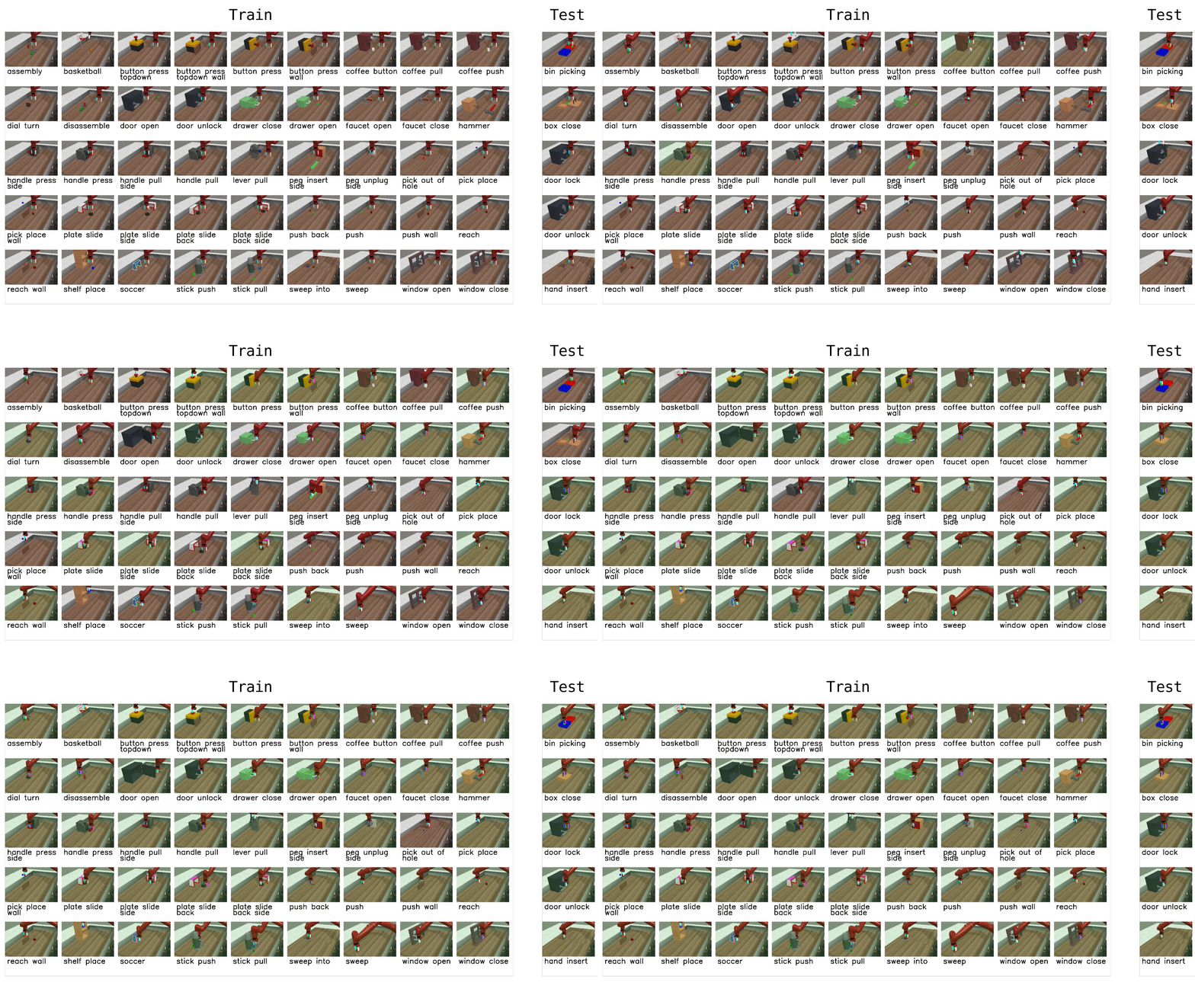
|
||||
|
||||
## Why Meta-World matters
|
||||
|
||||
- **Diverse, realistic tasks.** Meta-World bundles a large suite of simulated manipulation tasks (50 in the MT50 suite) using everyday objects and a common tabletop Sawyer arm. This diversity exposes algorithms to a wide variety of dynamics, contacts and goal specifications while keeping a consistent control and observation structure.
|
||||
- **Focus on generalization and multi-task learning.** By evaluating across task distributions that share structure but differ in goals and objects, Meta-World reveals whether an agent truly learns transferable skills rather than overfitting to a narrow task.
|
||||
- **Standardized evaluation protocol.** It provides clear evaluation modes and difficulty splits, so different methods can be compared fairly across easy, medium, hard and very-hard regimes.
|
||||
- **Empirical insight.** Past evaluations on Meta-World show impressive progress on some fronts, but also highlight that current multi-task and meta-RL methods still struggle with large, diverse task sets. That gap points to important research directions.
|
||||
|
||||
## What it enables in LeRobot
|
||||
|
||||
In LeRobot, you can evaluate any policy or vision-language-action (VLA) model on Meta-World tasks and get a clear success-rate measure. The integration is designed to be straightforward:
|
||||
|
||||
- We provide a LeRobot-ready dataset for Meta-World (MT50) on the HF Hub: `https://huggingface.co/datasets/lerobot/metaworld_mt50`.
|
||||
- This dataset is formatted for the MT50 evaluation that uses all 50 tasks (the most challenging multi-task setting).
|
||||
- MT50 gives the policy a one-hot task vector and uses fixed object/goal positions for consistency.
|
||||
|
||||
- Task descriptions and the exact keys required for evaluation are available in the repo/dataset — use these to ensure your policy outputs the right success signals.
|
||||
|
||||
## Quick start, train a SmolVLA policy on Meta-World
|
||||
|
||||
Example command to train a SmolVLA policy on a subset of tasks:
|
||||
|
||||
```bash
|
||||
lerobot-train \
|
||||
--policy.type=smolvla \
|
||||
--policy.repo_id=${HF_USER}/metaworld-test \
|
||||
--policy.load_vlm_weights=true \
|
||||
--dataset.repo_id=lerobot/metaworld_mt50 \
|
||||
--env.type=metaworld \
|
||||
--env.task=assembly-v3,dial-turn-v3,handle-press-side-v3 \
|
||||
--output_dir=./outputs/ \
|
||||
--steps=100000 \
|
||||
--batch_size=4 \
|
||||
--eval.batch_size=1 \
|
||||
--eval.n_episodes=1 \
|
||||
--eval_freq=1000
|
||||
```
|
||||
|
||||
Notes:
|
||||
|
||||
- `--env.task` accepts explicit task lists (comma separated) or difficulty groups (e.g., `env.task="hard"`).
|
||||
- Adjust `batch_size`, `steps`, and `eval_freq` to match your compute budget.
|
||||
- **Gymnasium Assertion Error**: if you encounter an error like
|
||||
`AssertionError: ['human', 'rgb_array', 'depth_array']` when running MetaWorld environments, this comes from a mismatch between MetaWorld and your Gymnasium version.
|
||||
We recommend using:
|
||||
|
||||
```bash
|
||||
pip install "gymnasium==1.1.0"
|
||||
```
|
||||
|
||||
to ensure proper compatibility.
|
||||
|
||||
## Quick start — evaluate a trained policy
|
||||
|
||||
To evaluate a trained policy on the Meta-World medium difficulty split:
|
||||
|
||||
```bash
|
||||
lerobot-eval \
|
||||
--policy.path="your-policy-id" \
|
||||
--env.type=metaworld \
|
||||
--env.task=medium \
|
||||
--eval.batch_size=1 \
|
||||
--eval.n_episodes=2
|
||||
```
|
||||
|
||||
This will run episodes and return per-task success rates using the standard Meta-World evaluation keys.
|
||||
|
||||
## Practical tips
|
||||
|
||||
- If you care about generalization, run on the full MT50 suite — it’s intentionally challenging and reveals strengths/weaknesses better than a few narrow tasks.
|
||||
- Use the one-hot task conditioning for multi-task training (MT10 / MT50 conventions) so policies have explicit task context.
|
||||
- Inspect the dataset task descriptions and the `info["is_success"]` keys when writing post-processing or logging so your success metrics line up with the benchmark.
|
||||
@@ -0,0 +1,125 @@
|
||||
# Multi-GPU Training
|
||||
|
||||
This guide shows you how to train policies on multiple GPUs using [Hugging Face Accelerate](https://huggingface.co/docs/accelerate).
|
||||
|
||||
## Installation
|
||||
|
||||
First, ensure you have accelerate installed:
|
||||
|
||||
```bash
|
||||
pip install accelerate
|
||||
```
|
||||
|
||||
## Training with Multiple GPUs
|
||||
|
||||
You can launch training in two ways:
|
||||
|
||||
### Option 1: Without config (specify parameters directly)
|
||||
|
||||
You can specify all parameters directly in the command without running `accelerate config`:
|
||||
|
||||
```bash
|
||||
accelerate launch \
|
||||
--multi_gpu \
|
||||
--num_processes=2 \
|
||||
$(which lerobot-train) \
|
||||
--dataset.repo_id=${HF_USER}/my_dataset \
|
||||
--policy.type=act \
|
||||
--policy.repo_id=${HF_USER}/my_trained_policy \
|
||||
--output_dir=outputs/train/act_multi_gpu \
|
||||
--job_name=act_multi_gpu \
|
||||
--wandb.enable=true
|
||||
```
|
||||
|
||||
**Key accelerate parameters:**
|
||||
|
||||
- `--multi_gpu`: Enable multi-GPU training
|
||||
- `--num_processes=2`: Number of GPUs to use
|
||||
- `--mixed_precision=fp16`: Use fp16 mixed precision (or `bf16` if supported)
|
||||
|
||||
### Option 2: Using accelerate config
|
||||
|
||||
If you prefer to save your configuration, you can optionally configure accelerate for your hardware setup by running:
|
||||
|
||||
```bash
|
||||
accelerate config
|
||||
```
|
||||
|
||||
This interactive setup will ask you questions about your training environment (number of GPUs, mixed precision settings, etc.) and saves the configuration for future use. For a simple multi-GPU setup on a single machine, you can use these recommended settings:
|
||||
|
||||
- Compute environment: This machine
|
||||
- Number of machines: 1
|
||||
- Number of processes: (number of GPUs you want to use)
|
||||
- GPU ids to use: (leave empty to use all)
|
||||
- Mixed precision: fp16 or bf16 (recommended for faster training)
|
||||
|
||||
Then launch training with:
|
||||
|
||||
```bash
|
||||
accelerate launch $(which lerobot-train) \
|
||||
--dataset.repo_id=${HF_USER}/my_dataset \
|
||||
--policy.type=act \
|
||||
--policy.repo_id=${HF_USER}/my_trained_policy \
|
||||
--output_dir=outputs/train/act_multi_gpu \
|
||||
--job_name=act_multi_gpu \
|
||||
--wandb.enable=true
|
||||
```
|
||||
|
||||
## How It Works
|
||||
|
||||
When you launch training with accelerate:
|
||||
|
||||
1. **Automatic detection**: LeRobot automatically detects if it's running under accelerate
|
||||
2. **Data distribution**: Your batch is automatically split across GPUs
|
||||
3. **Gradient synchronization**: Gradients are synchronized across GPUs during backpropagation
|
||||
4. **Single process logging**: Only the main process logs to wandb and saves checkpoints
|
||||
|
||||
## Learning Rate and Training Steps Scaling
|
||||
|
||||
**Important:** LeRobot does **NOT** automatically scale learning rates or training steps based on the number of GPUs. This gives you full control over your training hyperparameters.
|
||||
|
||||
### Why No Automatic Scaling?
|
||||
|
||||
Many distributed training frameworks automatically scale the learning rate by the number of GPUs (e.g., `lr = base_lr × num_gpus`).
|
||||
However, LeRobot keeps the learning rate exactly as you specify it.
|
||||
|
||||
### When and How to Scale
|
||||
|
||||
If you want to scale your hyperparameters when using multiple GPUs, you should do it manually:
|
||||
|
||||
**Learning Rate Scaling:**
|
||||
|
||||
```bash
|
||||
# Example: 2 GPUs with linear LR scaling
|
||||
# Base LR: 1e-4, with 2 GPUs -> 2e-4
|
||||
accelerate launch --num_processes=2 $(which lerobot-train) \
|
||||
--optimizer.lr=2e-4 \
|
||||
--dataset.repo_id=lerobot/pusht \
|
||||
--policy=act
|
||||
```
|
||||
|
||||
**Training Steps Scaling:**
|
||||
|
||||
Since the effective batch size `bs` increases with multiple GPUs (batch_size × num_gpus), you may want to reduce the number of training steps proportionally:
|
||||
|
||||
```bash
|
||||
# Example: 2 GPUs with effective batch size 2x larger
|
||||
# Original: batch_size=8, steps=100000
|
||||
# With 2 GPUs: batch_size=8 (16 in total), steps=50000
|
||||
accelerate launch --num_processes=2 $(which lerobot-train) \
|
||||
--batch_size=8 \
|
||||
--steps=50000 \
|
||||
--dataset.repo_id=lerobot/pusht \
|
||||
--policy=act
|
||||
```
|
||||
|
||||
## Notes
|
||||
|
||||
- The `--policy.use_amp` flag in `lerobot-train` is only used when **not** running with accelerate. When using accelerate, mixed precision is controlled by accelerate's configuration.
|
||||
- Training logs, checkpoints, and hub uploads are only done by the main process to avoid conflicts. Non-main processes have console logging disabled to prevent duplicate output.
|
||||
- The effective batch size is `batch_size × num_gpus`. If you use 4 GPUs with `--batch_size=8`, your effective batch size is 32.
|
||||
- Learning rate scheduling is handled correctly across multiple processes—LeRobot sets `step_scheduler_with_optimizer=False` to prevent accelerate from adjusting scheduler steps based on the number of processes.
|
||||
- When saving or pushing models, LeRobot automatically unwraps the model from accelerate's distributed wrapper to ensure compatibility.
|
||||
- WandB integration automatically initializes only on the main process, preventing multiple runs from being created.
|
||||
|
||||
For more advanced configurations and troubleshooting, see the [Accelerate documentation](https://huggingface.co/docs/accelerate). If you want to learn more about how to train on a large number of GPUs, checkout this awesome guide: [Ultrascale Playbook](https://huggingface.co/spaces/nanotron/ultrascale-playbook).
|
||||
@@ -79,7 +79,7 @@ After running the example:
|
||||
- Android: after starting the script, open the printed local URL on your phone, tap Start, then press and hold Move.
|
||||
- iOS: open HEBI Mobile I/O first; B1 enables motion. A3 controls the gripper.
|
||||
|
||||
Additionally you can customize mapping or safety limits by editing the processor steps shown in the examples. You can also remap inputs (e.g., use a different analog input) or adapt the pipeline to other robots (e.g., LeKiwi) by modifying the input and kinematics steps. More about this in the [Processors for Robots and Teleoperators](./processors_robots_teleop.mdx) guide.
|
||||
Additionally you can customize mapping or safety limits by editing the processor steps shown in the examples. You can also remap inputs (e.g., use a different analog input) or adapt the pipeline to other robots (e.g., LeKiwi) by modifying the input and kinematics steps. More about this in the [Processors for Robots and Teleoperators](./processors_robots_teleop) guide.
|
||||
|
||||
- Run this example to record a dataset, which saves absolute end effector observations and actions:
|
||||
|
||||
|
||||
@@ -0,0 +1,102 @@
|
||||
# Using Dataset Tools
|
||||
|
||||
This guide covers the dataset tools utilities available in LeRobot for modifying and editing existing datasets.
|
||||
|
||||
## Overview
|
||||
|
||||
LeRobot provides several utilities for manipulating datasets:
|
||||
|
||||
1. **Delete Episodes** - Remove specific episodes from a dataset
|
||||
2. **Split Dataset** - Divide a dataset into multiple smaller datasets
|
||||
3. **Merge Datasets** - Combine multiple datasets into one. The datasets must have identical features, and episodes are concatenated in the order specified in `repo_ids`
|
||||
4. **Add Features** - Add new features to a dataset
|
||||
5. **Remove Features** - Remove features from a dataset
|
||||
|
||||
The core implementation is in `lerobot.datasets.dataset_tools`.
|
||||
An example script detailing how to use the tools API is available in `examples/dataset/use_dataset_tools.py`.
|
||||
|
||||
## Command-Line Tool: lerobot-edit-dataset
|
||||
|
||||
`lerobot-edit-dataset` is a command-line script for editing datasets. It can be used to delete episodes, split datasets, merge datasets, add features, and remove features.
|
||||
|
||||
Run `lerobot-edit-dataset --help` for more information on the configuration of each operation.
|
||||
|
||||
### Usage Examples
|
||||
|
||||
#### Delete Episodes
|
||||
|
||||
Remove specific episodes from a dataset. This is useful for filtering out undesired data.
|
||||
|
||||
```bash
|
||||
# Delete episodes 0, 2, and 5 (modifies original dataset)
|
||||
lerobot-edit-dataset \
|
||||
--repo_id lerobot/pusht \
|
||||
--operation.type delete_episodes \
|
||||
--operation.episode_indices "[0, 2, 5]"
|
||||
|
||||
# Delete episodes and save to a new dataset (preserves original dataset)
|
||||
lerobot-edit-dataset \
|
||||
--repo_id lerobot/pusht \
|
||||
--new_repo_id lerobot/pusht_after_deletion \
|
||||
--operation.type delete_episodes \
|
||||
--operation.episode_indices "[0, 2, 5]"
|
||||
```
|
||||
|
||||
#### Split Dataset
|
||||
|
||||
Divide a dataset into multiple subsets.
|
||||
|
||||
```bash
|
||||
# Split by fractions (e.g. 80% train, 20% test, 20% val)
|
||||
lerobot-edit-dataset \
|
||||
--repo_id lerobot/pusht \
|
||||
--operation.type split \
|
||||
--operation.splits '{"train": 0.8, "test": 0.2, "val": 0.2}'
|
||||
|
||||
# Split by specific episode indices
|
||||
lerobot-edit-dataset \
|
||||
--repo_id lerobot/pusht \
|
||||
--operation.type split \
|
||||
--operation.splits '{"task1": [0, 1, 2, 3], "task2": [4, 5]}'
|
||||
```
|
||||
|
||||
There are no constraints on the split names, they can be determined by the user. Resulting datasets are saved under the repo id with the split name appended, e.g. `lerobot/pusht_train`, `lerobot/pusht_task1`, `lerobot/pusht_task2`.
|
||||
|
||||
#### Merge Datasets
|
||||
|
||||
Combine multiple datasets into a single dataset.
|
||||
|
||||
```bash
|
||||
# Merge train and validation splits back into one dataset
|
||||
lerobot-edit-dataset \
|
||||
--repo_id lerobot/pusht_merged \
|
||||
--operation.type merge \
|
||||
--operation.repo_ids "['lerobot/pusht_train', 'lerobot/pusht_val']"
|
||||
```
|
||||
|
||||
#### Remove Features
|
||||
|
||||
Remove features from a dataset.
|
||||
|
||||
```bash
|
||||
# Remove a camera feature
|
||||
lerobot-edit-dataset \
|
||||
--repo_id lerobot/pusht \
|
||||
--operation.type remove_feature \
|
||||
--operation.feature_names "['observation.images.top']"
|
||||
```
|
||||
|
||||
### Push to Hub
|
||||
|
||||
Add the `--push_to_hub` flag to any command to automatically upload the resulting dataset to the Hugging Face Hub:
|
||||
|
||||
```bash
|
||||
lerobot-edit-dataset \
|
||||
--repo_id lerobot/pusht \
|
||||
--new_repo_id lerobot/pusht_after_deletion \
|
||||
--operation.type delete_episodes \
|
||||
--operation.episode_indices "[0, 2, 5]" \
|
||||
--push_to_hub
|
||||
```
|
||||
|
||||
There is also a tool for adding features to a dataset that is not yet covered in `lerobot-edit-dataset`.
|
||||
@@ -0,0 +1,124 @@
|
||||
#!/usr/bin/env python
|
||||
|
||||
# Copyright 2025 The HuggingFace Inc. team. All rights reserved.
|
||||
#
|
||||
# Licensed under the Apache License, Version 2.0 (the "License");
|
||||
# you may not use this file except in compliance with the License.
|
||||
# You may obtain a copy of the License at
|
||||
#
|
||||
# http://www.apache.org/licenses/LICENSE-2.0
|
||||
#
|
||||
# Unless required by applicable law or agreed to in writing, software
|
||||
# distributed under the License is distributed on an "AS IS" BASIS,
|
||||
# WITHOUT WARRANTIES OR CONDITIONS OF ANY KIND, either express or implied.
|
||||
# See the License for the specific language governing permissions and
|
||||
# limitations under the License.
|
||||
|
||||
"""
|
||||
Example script demonstrating dataset tools utilities.
|
||||
|
||||
This script shows how to:
|
||||
1. Delete episodes from a dataset
|
||||
2. Split a dataset into train/val sets
|
||||
3. Add/remove features
|
||||
4. Merge datasets
|
||||
|
||||
Usage:
|
||||
python examples/dataset/use_dataset_tools.py
|
||||
"""
|
||||
|
||||
import numpy as np
|
||||
|
||||
from lerobot.datasets.dataset_tools import (
|
||||
add_features,
|
||||
delete_episodes,
|
||||
merge_datasets,
|
||||
modify_features,
|
||||
remove_feature,
|
||||
split_dataset,
|
||||
)
|
||||
from lerobot.datasets.lerobot_dataset import LeRobotDataset
|
||||
|
||||
|
||||
def main():
|
||||
dataset = LeRobotDataset("lerobot/pusht")
|
||||
|
||||
print(f"Original dataset: {dataset.meta.total_episodes} episodes, {dataset.meta.total_frames} frames")
|
||||
print(f"Features: {list(dataset.meta.features.keys())}")
|
||||
|
||||
print("\n1. Deleting episodes 0 and 2...")
|
||||
filtered_dataset = delete_episodes(dataset, episode_indices=[0, 2], repo_id="lerobot/pusht_filtered")
|
||||
print(f"Filtered dataset: {filtered_dataset.meta.total_episodes} episodes")
|
||||
|
||||
print("\n2. Splitting dataset into train/val...")
|
||||
splits = split_dataset(
|
||||
dataset,
|
||||
splits={"train": 0.8, "val": 0.2},
|
||||
)
|
||||
print(f"Train split: {splits['train'].meta.total_episodes} episodes")
|
||||
print(f"Val split: {splits['val'].meta.total_episodes} episodes")
|
||||
|
||||
print("\n3. Adding features...")
|
||||
|
||||
reward_values = np.random.randn(dataset.meta.total_frames).astype(np.float32)
|
||||
|
||||
def compute_success(row_dict, episode_index, frame_index):
|
||||
episode_length = 10
|
||||
return float(frame_index >= episode_length - 10)
|
||||
|
||||
dataset_with_features = add_features(
|
||||
dataset,
|
||||
features={
|
||||
"reward": (
|
||||
reward_values,
|
||||
{"dtype": "float32", "shape": (1,), "names": None},
|
||||
),
|
||||
"success": (
|
||||
compute_success,
|
||||
{"dtype": "float32", "shape": (1,), "names": None},
|
||||
),
|
||||
},
|
||||
repo_id="lerobot/pusht_with_features",
|
||||
)
|
||||
|
||||
print(f"New features: {list(dataset_with_features.meta.features.keys())}")
|
||||
|
||||
print("\n4. Removing the success feature...")
|
||||
dataset_cleaned = remove_feature(
|
||||
dataset_with_features, feature_names="success", repo_id="lerobot/pusht_cleaned"
|
||||
)
|
||||
print(f"Features after removal: {list(dataset_cleaned.meta.features.keys())}")
|
||||
|
||||
print("\n5. Using modify_features to add and remove features simultaneously...")
|
||||
dataset_modified = modify_features(
|
||||
dataset_with_features,
|
||||
add_features={
|
||||
"discount": (
|
||||
np.ones(dataset.meta.total_frames, dtype=np.float32) * 0.99,
|
||||
{"dtype": "float32", "shape": (1,), "names": None},
|
||||
),
|
||||
},
|
||||
remove_features="reward",
|
||||
repo_id="lerobot/pusht_modified",
|
||||
)
|
||||
print(f"Modified features: {list(dataset_modified.meta.features.keys())}")
|
||||
|
||||
print("\n6. Merging train and val splits back together...")
|
||||
merged = merge_datasets([splits["train"], splits["val"]], output_repo_id="lerobot/pusht_merged")
|
||||
print(f"Merged dataset: {merged.meta.total_episodes} episodes")
|
||||
|
||||
print("\n7. Complex workflow example...")
|
||||
|
||||
if len(dataset.meta.camera_keys) > 1:
|
||||
camera_to_remove = dataset.meta.camera_keys[0]
|
||||
print(f"Removing camera: {camera_to_remove}")
|
||||
dataset_no_cam = remove_feature(
|
||||
dataset, feature_names=camera_to_remove, repo_id="pusht_no_first_camera"
|
||||
)
|
||||
print(f"Remaining cameras: {dataset_no_cam.meta.camera_keys}")
|
||||
|
||||
print("\nDone! Check ~/.cache/huggingface/lerobot/ for the created datasets.")
|
||||
|
||||
|
||||
if __name__ == "__main__":
|
||||
main()
|
||||
@@ -0,0 +1,112 @@
|
||||
# Copyright 2025 The HuggingFace Inc. team. All rights reserved.
|
||||
#
|
||||
# Licensed under the Apache License, Version 2.0 (the "License");
|
||||
# you may not use this file except in compliance with the License.
|
||||
# You may obtain a copy of the License at
|
||||
#
|
||||
# http://www.apache.org/licenses/LICENSE-2.0
|
||||
#
|
||||
# Unless required by applicable law or agreed to in writing, software
|
||||
# distributed under the License is distributed on an "AS IS" BASIS,
|
||||
# WITHOUT WARRANTIES OR CONDITIONS OF ANY KIND, either express or implied.
|
||||
# See the License for the specific language governing permissions and
|
||||
# limitations under the License.
|
||||
|
||||
"""
|
||||
This script demonstrates how to evaluate pretrained vision-language-action (VLA) policies
|
||||
such as SmolVLA on Libero benchmark tasks using the LeRobot framework.
|
||||
|
||||
It showcases the full evaluation pipeline — from environment creation to policy inference,
|
||||
visualization, and result logging — and is intended as a reference for benchmarking or
|
||||
integrating new robotic policies.
|
||||
|
||||
Features included in this script:
|
||||
- loading Libero environments (e.g., libero_spatial, libero_object) via `make_env`.
|
||||
- initializing pretrained policies (e.g., SmolVLA) from Hugging Face using `make_policy`.
|
||||
- applying preprocessing and postprocessing transformations for model compatibility.
|
||||
- running evaluation rollouts and recording rendered frames from the simulator.
|
||||
- computing success metrics and saving rollout videos as MP4 for qualitative analysis.
|
||||
|
||||
The script ends by saving a rollout video (`rollout.mp4`) and printing per-environment
|
||||
success indicators for quick visual and numerical evaluation.
|
||||
"""
|
||||
|
||||
import numpy as np
|
||||
import torch
|
||||
import imageio.v2 as imageio
|
||||
from lerobot.envs.factory import make_env, make_env_config
|
||||
from lerobot.policies.factory import make_policy, make_pre_post_processors
|
||||
from lerobot.policies.factory import make_policy_config
|
||||
from lerobot.envs.utils import (
|
||||
add_envs_task,
|
||||
preprocess_observation,
|
||||
)
|
||||
import os
|
||||
os.environ["MUJOCO_GL"] = "egl"
|
||||
|
||||
SMOLVLA_LIBERO_PATH = "HuggingFaceVLA/smolvla_libero"
|
||||
LIBERO_CONFIG = make_env_config("libero", task="libero_spatial")
|
||||
breakpoint()
|
||||
POLICY_CONFIG = make_policy_config("smolvla", pretrained_path=SMOLVLA_LIBERO_PATH)
|
||||
policy = make_policy(
|
||||
cfg=POLICY_CONFIG,
|
||||
env_cfg=LIBERO_CONFIG,
|
||||
)
|
||||
breakpoint()
|
||||
libero_env = make_env(LIBERO_CONFIG)
|
||||
breakpoint()
|
||||
print(type(libero_env)) # <class 'dict'>
|
||||
print(libero_env.keys()) # dict_keys(['libero_spatial', 'libero_object'])
|
||||
|
||||
# initilize your policy, here we use smolvla
|
||||
breakpoint()
|
||||
policy.eval()
|
||||
preprocessor, postprocessor = make_pre_post_processors(
|
||||
policy_cfg=POLICY_CONFIG,
|
||||
pretrained_path=SMOLVLA_LIBERO_PATH,
|
||||
# The inference device is automatically set to match the detected hardware, overriding any previous device settings from training to ensure compatibility.
|
||||
preprocessor_overrides={"device_processor": {"device": str(policy.config.device)}},
|
||||
)
|
||||
policy.reset()
|
||||
# for the sake of this exemple we only use one env from each task
|
||||
libero_spatial_env = libero_env['libero_spatial'][0]
|
||||
# libero_object_env = libero_env['libero_object'][0]
|
||||
|
||||
# let's first run an evaluation throgut the first task
|
||||
observation, info = libero_spatial_env.reset() # you can pass seeds
|
||||
max_steps = 220
|
||||
step = 0
|
||||
all_images = []
|
||||
done = np.array([False] * libero_spatial_env.num_envs)
|
||||
while not np.all(done) and step < max_steps:
|
||||
observation = preprocess_observation(observation)
|
||||
observation = add_envs_task(libero_spatial_env, observation)
|
||||
observation = preprocessor(observation)
|
||||
with torch.inference_mode():
|
||||
action = policy.select_action(observation)
|
||||
action = postprocessor(action)
|
||||
# Convert to CPU / numpy.
|
||||
action_numpy = action.to("cpu").numpy()
|
||||
# Apply the next action.
|
||||
# let's render the video
|
||||
image = libero_spatial_env.call("render")[0]
|
||||
all_images.append(image)
|
||||
observation, reward, terminated, truncated, info = libero_spatial_env.step(action_numpy)
|
||||
if "final_info" in info:
|
||||
final_info = info["final_info"]
|
||||
if not isinstance(final_info, dict):
|
||||
raise RuntimeError(
|
||||
"Unsupported `final_info` format: expected dict (Gymnasium >= 1.0). "
|
||||
"You're likely using an older version of gymnasium (< 1.0). Please upgrade."
|
||||
)
|
||||
successes = final_info["is_success"].tolist()
|
||||
else:
|
||||
successes = [False] * libero_spatial_env.num_envs
|
||||
|
||||
done = terminated | truncated | done
|
||||
if step + 1 == max_steps:
|
||||
done = np.ones_like(done, dtype=bool)
|
||||
step += 1
|
||||
|
||||
print("The success: ", successes)
|
||||
|
||||
@@ -133,4 +133,6 @@ while recorded_episodes < NUM_EPISODES and not events["stop_recording"]:
|
||||
log_say("Stop recording")
|
||||
robot.disconnect()
|
||||
listener.stop()
|
||||
|
||||
dataset.finalize()
|
||||
dataset.push_to_hub()
|
||||
|
||||
@@ -130,4 +130,6 @@ robot.disconnect()
|
||||
leader_arm.disconnect()
|
||||
keyboard.disconnect()
|
||||
listener.stop()
|
||||
|
||||
dataset.finalize()
|
||||
dataset.push_to_hub()
|
||||
|
||||
@@ -194,4 +194,6 @@ for episode_idx in range(NUM_EPISODES):
|
||||
log_say("Stop recording")
|
||||
robot.disconnect()
|
||||
listener.stop()
|
||||
|
||||
dataset.finalize()
|
||||
dataset.push_to_hub()
|
||||
|
||||
@@ -200,4 +200,6 @@ log_say("Stop recording")
|
||||
robot.disconnect()
|
||||
phone.disconnect()
|
||||
listener.stop()
|
||||
|
||||
dataset.finalize()
|
||||
dataset.push_to_hub()
|
||||
|
||||
@@ -362,6 +362,8 @@ def port_droid(
|
||||
lerobot_dataset.save_episode()
|
||||
logging.info("Save_episode")
|
||||
|
||||
lerobot_dataset.finalize()
|
||||
|
||||
if push_to_hub:
|
||||
lerobot_dataset.push_to_hub(
|
||||
# Add openx tag, since it belongs to the openx collection of datasets
|
||||
|
||||
@@ -195,4 +195,6 @@ for episode_idx in range(NUM_EPISODES):
|
||||
log_say("Stop recording")
|
||||
robot.disconnect()
|
||||
listener.stop()
|
||||
|
||||
dataset.finalize()
|
||||
dataset.push_to_hub()
|
||||
|
||||
@@ -199,4 +199,6 @@ log_say("Stop recording")
|
||||
leader.disconnect()
|
||||
follower.disconnect()
|
||||
listener.stop()
|
||||
|
||||
dataset.finalize()
|
||||
dataset.push_to_hub()
|
||||
|
||||
+43
-49
@@ -59,28 +59,30 @@ keywords = ["lerobot", "huggingface", "robotics", "machine learning", "artifici
|
||||
dependencies = [
|
||||
|
||||
# Hugging Face dependencies
|
||||
"datasets>=4.0.0",
|
||||
"diffusers>=0.27.2",
|
||||
"huggingface-hub[hf-transfer,cli]>=0.34.2",
|
||||
"datasets>=4.0.0,<4.2.0",
|
||||
"diffusers>=0.27.2,<0.36.0",
|
||||
"huggingface-hub[hf-transfer,cli]>=0.34.2,<0.36.0",
|
||||
"accelerate>=1.10.0,<2.0.0",
|
||||
|
||||
# Core dependencies
|
||||
"cmake>=3.29.0.1",
|
||||
"einops>=0.8.0",
|
||||
"opencv-python-headless>=4.9.0",
|
||||
"av>=14.2.0",
|
||||
"jsonlines>=4.0.0",
|
||||
"packaging>=24.2",
|
||||
"pynput>=1.7.7",
|
||||
"pyserial>=3.5",
|
||||
"wandb>=0.20.0",
|
||||
"setuptools>=71.0.0,<81.0.0",
|
||||
"cmake>=3.29.0.1,<4.2.0",
|
||||
"einops>=0.8.0,<0.9.0",
|
||||
"opencv-python-headless>=4.9.0,<4.13.0",
|
||||
"av>=15.0.0,<16.0.0",
|
||||
"jsonlines>=4.0.0,<5.0.0",
|
||||
"packaging>=24.2,<26.0",
|
||||
"pynput>=1.7.7,<1.9.0",
|
||||
"pyserial>=3.5,<4.0",
|
||||
"wandb>=0.20.0,<0.22.0", # TODO: Bumb dependency (compatible with protobuf)
|
||||
|
||||
"torch>=2.2.1,<2.8.0", # TODO: Bumb dependency
|
||||
"torchcodec>=0.2.1,<0.6.0; sys_platform != 'win32' and (sys_platform != 'linux' or (platform_machine != 'aarch64' and platform_machine != 'arm64' and platform_machine != 'armv7l')) and (sys_platform != 'darwin' or platform_machine != 'x86_64')", # TODO: Bumb dependency
|
||||
"torchvision>=0.21.0,<0.23.0", # TODO: Bumb dependency
|
||||
|
||||
"draccus==0.10.0", # TODO: Remove ==
|
||||
"gymnasium>=0.29.1,<1.0.0", # TODO: Bumb dependency
|
||||
"rerun-sdk>=0.21.0,<0.23.0", # TODO: Bumb dependency
|
||||
"gymnasium>=1.0.0",
|
||||
"rerun-sdk>=0.24.0,<0.27.0",
|
||||
|
||||
# Support dependencies
|
||||
"deepdiff>=7.0.1,<9.0.0",
|
||||
@@ -92,51 +94,45 @@ dependencies = [
|
||||
[project.optional-dependencies]
|
||||
|
||||
# Common
|
||||
pygame-dep = ["pygame>=2.5.1"]
|
||||
placo-dep = ["placo>=0.9.6"]
|
||||
transformers-dep = ["transformers>=4.53.0"]
|
||||
grpcio-dep = ["grpcio==1.73.1", "protobuf==6.31.0"]
|
||||
pygame-dep = ["pygame>=2.5.1,<2.7.0"]
|
||||
placo-dep = ["placo>=0.9.6,<0.10.0"]
|
||||
transformers-dep = ["transformers>=4.53.0,<5.0.0"]
|
||||
grpcio-dep = ["grpcio==1.73.1", "protobuf==6.31.0"] # TODO: Bumb dependency (compatible with wandb)
|
||||
|
||||
# Motors
|
||||
feetech = ["feetech-servo-sdk>=1.0.0"]
|
||||
dynamixel = ["dynamixel-sdk>=3.7.31"]
|
||||
feetech = ["feetech-servo-sdk>=1.0.0,<2.0.0"]
|
||||
dynamixel = ["dynamixel-sdk>=3.7.31,<3.9.0"]
|
||||
|
||||
# Robots
|
||||
gamepad = ["lerobot[pygame-dep]", "hidapi>=0.14.0"]
|
||||
gamepad = ["lerobot[pygame-dep]", "hidapi>=0.14.0,<0.15.0"]
|
||||
hopejr = ["lerobot[feetech]", "lerobot[pygame-dep]"]
|
||||
lekiwi = ["lerobot[feetech]", "pyzmq>=26.2.1"]
|
||||
reachy2 = ["reachy2_sdk>=1.0.14"]
|
||||
lekiwi = ["lerobot[feetech]", "pyzmq>=26.2.1,<28.0.0"]
|
||||
reachy2 = ["reachy2_sdk>=1.0.14,<1.1.0"]
|
||||
kinematics = ["lerobot[placo-dep]"]
|
||||
intelrealsense = [
|
||||
"pyrealsense2>=2.55.1.6486 ; sys_platform != 'darwin'",
|
||||
"pyrealsense2-macosx>=2.54 ; sys_platform == 'darwin'",
|
||||
"pyrealsense2>=2.55.1.6486,<2.57.0 ; sys_platform != 'darwin'",
|
||||
"pyrealsense2-macosx>=2.54,<2.55.0 ; sys_platform == 'darwin'",
|
||||
]
|
||||
phone = ["hebi-py>=2.8.0", "teleop>=0.1.0"]
|
||||
# stretch = [
|
||||
# "hello-robot-stretch-body>=0.7.27 ; sys_platform == 'linux'",
|
||||
# "pyrender @ git+https://github.com/mmatl/pyrender.git ; sys_platform == 'linux'",
|
||||
# "pyrealsense2>=2.55.1.6486 ; sys_platform != 'darwin'"
|
||||
# ] # TODO: Currently not supported
|
||||
phone = ["hebi-py>=2.8.0,<2.12.0", "teleop>=0.1.0,<0.2.0"]
|
||||
|
||||
# Policies
|
||||
pi = ["transformers @ git+https://github.com/huggingface/transformers.git@fix/lerobot_openpi"]
|
||||
smolvla = ["lerobot[transformers-dep]", "num2words>=0.5.14", "accelerate>=1.7.0", "safetensors>=0.4.3"]
|
||||
hilserl = ["lerobot[transformers-dep]", "gym-hil>=0.1.11", "lerobot[grpcio-dep]", "lerobot[placo-dep]"]
|
||||
smolvla = ["lerobot[transformers-dep]", "num2words>=0.5.14,<0.6.0", "accelerate>=1.7.0,<2.0.0", "safetensors>=0.4.3,<1.0.0"]
|
||||
hilserl = ["lerobot[transformers-dep]", "gym-hil>=0.1.11,<0.2.0", "lerobot[grpcio-dep]", "lerobot[placo-dep]"]
|
||||
|
||||
# Features
|
||||
async = ["lerobot[grpcio-dep]", "matplotlib>=3.10.3"]
|
||||
async = ["lerobot[grpcio-dep]", "matplotlib>=3.10.3,<4.0.0"]
|
||||
|
||||
# Development
|
||||
dev = ["pre-commit>=3.7.0", "debugpy>=1.8.1", "lerobot[grpcio-dep]", "grpcio-tools==1.73.1"]
|
||||
test = ["pytest>=8.1.0", "pytest-timeout>=2.4.0", "pytest-cov>=5.0.0", "mock-serial>=0.0.1 ; sys_platform != 'win32'"]
|
||||
video_benchmark = ["scikit-image>=0.23.2", "pandas>=2.2.2"]
|
||||
dev = ["pre-commit>=3.7.0,<5.0.0", "debugpy>=1.8.1,<1.9.0", "lerobot[grpcio-dep]", "grpcio-tools==1.73.1"]
|
||||
test = ["pytest>=8.1.0,<9.0.0", "pytest-timeout>=2.4.0,<3.0.0", "pytest-cov>=5.0.0,<8.0.0", "mock-serial>=0.0.1,<0.1.0 ; sys_platform != 'win32'"]
|
||||
video_benchmark = ["scikit-image>=0.23.2,<0.26.0", "pandas>=2.2.2,<2.4.0"]
|
||||
|
||||
# Simulation
|
||||
aloha = ["gym-aloha>=0.1.1"]
|
||||
pusht = ["gym-pusht>=0.1.5", "pymunk>=6.6.0,<7.0.0"] # TODO: Fix pymunk version in gym-pusht instead
|
||||
xarm = ["gym-xarm>=0.1.1"]
|
||||
aloha = ["gym-aloha>=0.1.2,<0.2.0"]
|
||||
pusht = ["gym-pusht>=0.1.5,<0.2.0", "pymunk>=6.6.0,<7.0.0"] # TODO: Fix pymunk version in gym-pusht instead
|
||||
libero = ["lerobot[transformers-dep]", "libero @ git+https://github.com/huggingface/lerobot-libero.git@main#egg=libero"]
|
||||
|
||||
metaworld = ["metaworld>=3.0.0"]
|
||||
|
||||
# All
|
||||
all = [
|
||||
@@ -156,9 +152,9 @@ all = [
|
||||
"lerobot[video_benchmark]",
|
||||
"lerobot[aloha]",
|
||||
"lerobot[pusht]",
|
||||
"lerobot[xarm]",
|
||||
"lerobot[phone]",
|
||||
"lerobot[libero]",
|
||||
"lerobot[metaworld]",
|
||||
]
|
||||
|
||||
[project.scripts]
|
||||
@@ -175,6 +171,7 @@ lerobot-dataset-viz="lerobot.scripts.lerobot_dataset_viz:main"
|
||||
lerobot-info="lerobot.scripts.lerobot_info:main"
|
||||
lerobot-find-joint-limits="lerobot.scripts.lerobot_find_joint_limits:main"
|
||||
lerobot-imgtransform-viz="lerobot.scripts.lerobot_imgtransform_viz:main"
|
||||
lerobot-edit-dataset="lerobot.scripts.lerobot_edit_dataset:main"
|
||||
|
||||
# ---------------- Tool Configurations ----------------
|
||||
[tool.setuptools.packages.find]
|
||||
@@ -232,9 +229,6 @@ exclude_dirs = [
|
||||
"tests",
|
||||
"benchmarks",
|
||||
"src/lerobot/datasets/push_dataset_to_hub",
|
||||
"src/lerobot/datasets/v2/convert_dataset_v1_to_v2",
|
||||
"src/lerobot/policies/pi0/conversion_scripts",
|
||||
"src/lerobot/scripts/push_dataset_to_hub.py",
|
||||
]
|
||||
skips = ["B101", "B311", "B404", "B603", "B615"]
|
||||
|
||||
@@ -249,6 +243,7 @@ default.extend-ignore-identifiers-re = [
|
||||
"pn",
|
||||
"ser",
|
||||
"ein",
|
||||
"inpt",
|
||||
]
|
||||
|
||||
# TODO: Uncomment when ready to use
|
||||
@@ -287,7 +282,6 @@ ignore_errors = true
|
||||
|
||||
[[tool.mypy.overrides]]
|
||||
module = "lerobot.envs.*"
|
||||
# Enable type checking only for the envs module
|
||||
ignore_errors = false
|
||||
|
||||
|
||||
@@ -303,9 +297,9 @@ ignore_errors = false
|
||||
# module = "lerobot.optim.*"
|
||||
# ignore_errors = false
|
||||
|
||||
# [[tool.mypy.overrides]]
|
||||
# module = "lerobot.model.*"
|
||||
# ignore_errors = false
|
||||
[[tool.mypy.overrides]]
|
||||
module = "lerobot.model.*"
|
||||
ignore_errors = false
|
||||
|
||||
# [[tool.mypy.overrides]]
|
||||
# module = "lerobot.processor.*"
|
||||
|
||||
@@ -57,7 +57,6 @@ available_tasks_per_env = {
|
||||
"AlohaTransferCube-v0",
|
||||
],
|
||||
"pusht": ["PushT-v0"],
|
||||
"xarm": ["XarmLift-v0"],
|
||||
}
|
||||
available_envs = list(available_tasks_per_env.keys())
|
||||
|
||||
@@ -75,16 +74,6 @@ available_datasets_per_env = {
|
||||
# TODO(alexander-soare): Add "lerobot/pusht_keypoints". Right now we can't because this is too tightly
|
||||
# coupled with tests.
|
||||
"pusht": ["lerobot/pusht", "lerobot/pusht_image"],
|
||||
"xarm": [
|
||||
"lerobot/xarm_lift_medium",
|
||||
"lerobot/xarm_lift_medium_replay",
|
||||
"lerobot/xarm_push_medium",
|
||||
"lerobot/xarm_push_medium_replay",
|
||||
"lerobot/xarm_lift_medium_image",
|
||||
"lerobot/xarm_lift_medium_replay_image",
|
||||
"lerobot/xarm_push_medium_image",
|
||||
"lerobot/xarm_push_medium_replay_image",
|
||||
],
|
||||
}
|
||||
|
||||
available_real_world_datasets = [
|
||||
@@ -195,7 +184,6 @@ available_motors = [
|
||||
available_policies_per_env = {
|
||||
"aloha": ["act"],
|
||||
"pusht": ["diffusion", "vqbet"],
|
||||
"xarm": ["tdmpc"],
|
||||
"koch_real": ["act_koch_real"],
|
||||
"aloha_real": ["act_aloha_real"],
|
||||
}
|
||||
|
||||
@@ -142,11 +142,6 @@ class RobotClientConfig:
|
||||
default=False, metadata={"help": "Visualize the action queue size"}
|
||||
)
|
||||
|
||||
# Verification configuration
|
||||
verify_robot_cameras: bool = field(
|
||||
default=True, metadata={"help": "Verify that the robot cameras match the policy cameras"}
|
||||
)
|
||||
|
||||
@property
|
||||
def environment_dt(self) -> float:
|
||||
"""Environment time step, in seconds"""
|
||||
|
||||
@@ -26,4 +26,4 @@ DEFAULT_OBS_QUEUE_TIMEOUT = 2
|
||||
SUPPORTED_POLICIES = ["act", "smolvla", "diffusion", "tdmpc", "vqbet", "pi0", "pi05"]
|
||||
|
||||
# TODO: Add all other robots
|
||||
SUPPORTED_ROBOTS = ["so100_follower", "so101_follower"]
|
||||
SUPPORTED_ROBOTS = ["so100_follower", "so101_follower", "bi_so100_follower"]
|
||||
|
||||
@@ -62,15 +62,6 @@ def visualize_action_queue_size(action_queue_size: list[int]) -> None:
|
||||
plt.show()
|
||||
|
||||
|
||||
def validate_robot_cameras_for_policy(
|
||||
lerobot_observation_features: dict[str, dict], policy_image_features: dict[str, PolicyFeature]
|
||||
) -> None:
|
||||
image_keys = list(filter(is_image_key, lerobot_observation_features))
|
||||
assert set(image_keys) == set(policy_image_features.keys()), (
|
||||
f"Policy image features must match robot cameras! Received {list(policy_image_features.keys())} != {image_keys}"
|
||||
)
|
||||
|
||||
|
||||
def map_robot_keys_to_lerobot_features(robot: Robot) -> dict[str, dict]:
|
||||
return hw_to_dataset_features(robot.observation_features, OBS_STR, use_video=False)
|
||||
|
||||
@@ -92,11 +83,11 @@ def resize_robot_observation_image(image: torch.tensor, resize_dims: tuple[int,
|
||||
return resized.squeeze(0)
|
||||
|
||||
|
||||
# TODO(Steven): Consider implementing a pipeline step for this
|
||||
def raw_observation_to_observation(
|
||||
raw_observation: RawObservation,
|
||||
lerobot_features: dict[str, dict],
|
||||
policy_image_features: dict[str, PolicyFeature],
|
||||
device: str,
|
||||
) -> Observation:
|
||||
observation = {}
|
||||
|
||||
@@ -105,9 +96,7 @@ def raw_observation_to_observation(
|
||||
if isinstance(v, torch.Tensor): # VLAs present natural-language instructions in observations
|
||||
if "image" in k:
|
||||
# Policy expects images in shape (B, C, H, W)
|
||||
observation[k] = prepare_image(v).unsqueeze(0).to(device)
|
||||
else:
|
||||
observation[k] = v.to(device)
|
||||
observation[k] = prepare_image(v).unsqueeze(0)
|
||||
else:
|
||||
observation[k] = v
|
||||
|
||||
|
||||
@@ -15,7 +15,7 @@
|
||||
"""
|
||||
Example:
|
||||
```shell
|
||||
python src/lerobot/async_inference/policy_server.py \
|
||||
python -m lerobot.async_inference.policy_server \
|
||||
--host=127.0.0.1 \
|
||||
--port=8080 \
|
||||
--fps=30 \
|
||||
@@ -32,12 +32,17 @@ from concurrent import futures
|
||||
from dataclasses import asdict
|
||||
from pprint import pformat
|
||||
from queue import Empty, Queue
|
||||
from typing import Any
|
||||
|
||||
import draccus
|
||||
import grpc
|
||||
import torch
|
||||
|
||||
from lerobot.policies.factory import get_policy_class
|
||||
from lerobot.policies.factory import get_policy_class, make_pre_post_processors
|
||||
from lerobot.processor import (
|
||||
PolicyAction,
|
||||
PolicyProcessorPipeline,
|
||||
)
|
||||
from lerobot.transport import (
|
||||
services_pb2, # type: ignore
|
||||
services_pb2_grpc, # type: ignore
|
||||
@@ -82,6 +87,8 @@ class PolicyServer(services_pb2_grpc.AsyncInferenceServicer):
|
||||
self.lerobot_features = None
|
||||
self.actions_per_chunk = None
|
||||
self.policy = None
|
||||
self.preprocessor: PolicyProcessorPipeline[dict[str, Any], dict[str, Any]] | None = None
|
||||
self.postprocessor: PolicyProcessorPipeline[PolicyAction, PolicyAction] | None = None
|
||||
|
||||
@property
|
||||
def running(self):
|
||||
@@ -146,6 +153,16 @@ class PolicyServer(services_pb2_grpc.AsyncInferenceServicer):
|
||||
start = time.perf_counter()
|
||||
self.policy = policy_class.from_pretrained(policy_specs.pretrained_name_or_path)
|
||||
self.policy.to(self.device)
|
||||
|
||||
# Load preprocessor and postprocessor, overriding device to match requested device
|
||||
device_override = {"device": self.device}
|
||||
self.preprocessor, self.postprocessor = make_pre_post_processors(
|
||||
self.policy.config,
|
||||
pretrained_path=policy_specs.pretrained_name_or_path,
|
||||
preprocessor_overrides={"device_processor": device_override},
|
||||
postprocessor_overrides={"device_processor": device_override},
|
||||
)
|
||||
|
||||
end = time.perf_counter()
|
||||
|
||||
self.logger.info(f"Time taken to put policy on {self.device}: {end - start:.4f} seconds")
|
||||
@@ -173,7 +190,7 @@ class PolicyServer(services_pb2_grpc.AsyncInferenceServicer):
|
||||
# Calculate FPS metrics
|
||||
fps_metrics = self.fps_tracker.calculate_fps_metrics(obs_timestamp)
|
||||
|
||||
self.logger.info(
|
||||
self.logger.debug(
|
||||
f"Received observation #{obs_timestep} | "
|
||||
f"Avg FPS: {fps_metrics['avg_fps']:.2f} | " # fps at which observations are received from client
|
||||
f"Target: {fps_metrics['target_fps']:.2f} | "
|
||||
@@ -189,7 +206,7 @@ class PolicyServer(services_pb2_grpc.AsyncInferenceServicer):
|
||||
if not self._enqueue_observation(
|
||||
timed_observation # wrapping a RawObservation
|
||||
):
|
||||
self.logger.info(f"Observation #{obs_timestep} has been filtered out")
|
||||
self.logger.debug(f"Observation #{obs_timestep} has been filtered out")
|
||||
|
||||
return services_pb2.Empty()
|
||||
|
||||
@@ -301,23 +318,6 @@ class PolicyServer(services_pb2_grpc.AsyncInferenceServicer):
|
||||
for i, action in enumerate(action_chunk)
|
||||
]
|
||||
|
||||
def _prepare_observation(self, observation_t: TimedObservation) -> Observation:
|
||||
"""
|
||||
Prepare observation, ready for policy inference.
|
||||
E.g.: To keep observation sampling rate high (and network packet tiny) we send int8 [0,255] images from the
|
||||
client and then convert them to float32 [0,1] images here, before running inference.
|
||||
"""
|
||||
# RawObservation from robot.get_observation() - wrong keys, wrong dtype, wrong image shape
|
||||
observation: Observation = raw_observation_to_observation(
|
||||
observation_t.get_observation(),
|
||||
self.lerobot_features,
|
||||
self.policy_image_features,
|
||||
self.device,
|
||||
)
|
||||
# processed Observation - right keys, right dtype, right image shape
|
||||
|
||||
return observation
|
||||
|
||||
def _get_action_chunk(self, observation: dict[str, torch.Tensor]) -> torch.Tensor:
|
||||
"""Get an action chunk from the policy. The chunk contains only"""
|
||||
chunk = self.policy.predict_action_chunk(observation)
|
||||
@@ -327,44 +327,76 @@ class PolicyServer(services_pb2_grpc.AsyncInferenceServicer):
|
||||
return chunk[:, : self.actions_per_chunk, :]
|
||||
|
||||
def _predict_action_chunk(self, observation_t: TimedObservation) -> list[TimedAction]:
|
||||
"""Predict an action chunk based on an observation"""
|
||||
inference_starts = time.perf_counter()
|
||||
"""Predict an action chunk based on an observation.
|
||||
|
||||
Pipeline:
|
||||
1. Convert raw observation to LeRobot format
|
||||
2. Apply preprocessor (tokenization, normalization, batching, device placement)
|
||||
3. Run policy inference to get action chunk
|
||||
4. Apply postprocessor (unnormalization, device movement)
|
||||
5. Convert to TimedAction list
|
||||
"""
|
||||
"""1. Prepare observation"""
|
||||
start_time = time.perf_counter()
|
||||
observation = self._prepare_observation(observation_t)
|
||||
preprocessing_time = time.perf_counter() - start_time
|
||||
start_prepare = time.perf_counter()
|
||||
observation: Observation = raw_observation_to_observation(
|
||||
observation_t.get_observation(),
|
||||
self.lerobot_features,
|
||||
self.policy_image_features,
|
||||
)
|
||||
prepare_time = time.perf_counter() - start_prepare
|
||||
|
||||
"""2. Apply preprocessor"""
|
||||
start_preprocess = time.perf_counter()
|
||||
observation = self.preprocessor(observation)
|
||||
self.last_processed_obs: TimedObservation = observation_t
|
||||
preprocessing_time = time.perf_counter() - start_preprocess
|
||||
|
||||
"""2. Get action chunk"""
|
||||
start_time = time.perf_counter()
|
||||
"""3. Get action chunk"""
|
||||
start_inference = time.perf_counter()
|
||||
action_tensor = self._get_action_chunk(observation)
|
||||
inference_time = time.perf_counter() - start_time
|
||||
inference_time = time.perf_counter() - start_inference
|
||||
self.logger.info(
|
||||
f"Preprocessing and inference took {inference_time:.4f}s, action shape: {action_tensor.shape}"
|
||||
)
|
||||
|
||||
"""3. Post-inference processing"""
|
||||
start_time = time.perf_counter()
|
||||
# Move to CPU before serializing
|
||||
action_tensor = action_tensor.cpu().squeeze(0)
|
||||
"""4. Apply postprocessor"""
|
||||
# Apply postprocessor (handles unnormalization and device movement)
|
||||
# Postprocessor expects (B, action_dim) per action, but we have (B, chunk_size, action_dim)
|
||||
# So we process each action in the chunk individually
|
||||
start_postprocess = time.perf_counter()
|
||||
_, chunk_size, _ = action_tensor.shape
|
||||
|
||||
# Process each action in the chunk
|
||||
processed_actions = []
|
||||
for i in range(chunk_size):
|
||||
# Extract action at timestep i: (B, action_dim)
|
||||
single_action = action_tensor[:, i, :]
|
||||
processed_action = self.postprocessor(single_action)
|
||||
processed_actions.append(processed_action)
|
||||
|
||||
# Stack back to (B, chunk_size, action_dim), then remove batch dim
|
||||
action_tensor = torch.stack(processed_actions, dim=1).squeeze(0)
|
||||
self.logger.debug(f"Postprocessed action shape: {action_tensor.shape}")
|
||||
|
||||
"""5. Convert to TimedAction list"""
|
||||
action_chunk = self._time_action_chunk(
|
||||
observation_t.get_timestamp(), list(action_tensor), observation_t.get_timestep()
|
||||
)
|
||||
postprocessing_time = time.perf_counter() - start_time
|
||||
inference_stops = time.perf_counter()
|
||||
postprocess_stops = time.perf_counter()
|
||||
postprocessing_time = postprocess_stops - start_postprocess
|
||||
|
||||
self.logger.info(
|
||||
f"Observation {observation_t.get_timestep()} |"
|
||||
f"Inference time: {1000 * (inference_stops - inference_starts):.2f}ms"
|
||||
f"Observation {observation_t.get_timestep()} | "
|
||||
f"Total time: {1000 * (postprocess_stops - start_prepare):.2f}ms"
|
||||
)
|
||||
|
||||
# full-process latency breakdown for debugging purposes
|
||||
self.logger.debug(
|
||||
f"Observation {observation_t.get_timestep()} | "
|
||||
f"Preprocessing time: {1000 * (preprocessing_time - inference_starts):.2f}ms | "
|
||||
f"Inference time: {1000 * (inference_time - preprocessing_time):.2f}ms | "
|
||||
f"Postprocessing time: {1000 * (postprocessing_time - inference_time):.2f}ms | "
|
||||
f"Total time: {1000 * (postprocessing_time - inference_starts):.2f}ms"
|
||||
f"Prepare time: {1000 * prepare_time:.2f}ms | "
|
||||
f"Preprocessing time: {1000 * preprocessing_time:.2f}ms | "
|
||||
f"Inference time: {1000 * inference_time:.2f}ms | "
|
||||
f"Postprocessing time: {1000 * postprocessing_time:.2f}ms | "
|
||||
f"Total time: {1000 * (postprocess_stops - start_prepare):.2f}ms"
|
||||
)
|
||||
|
||||
return action_chunk
|
||||
|
||||
@@ -48,10 +48,10 @@ import torch
|
||||
|
||||
from lerobot.cameras.opencv.configuration_opencv import OpenCVCameraConfig # noqa: F401
|
||||
from lerobot.cameras.realsense.configuration_realsense import RealSenseCameraConfig # noqa: F401
|
||||
from lerobot.configs.policies import PreTrainedConfig
|
||||
from lerobot.robots import ( # noqa: F401
|
||||
Robot,
|
||||
RobotConfig,
|
||||
bi_so100_follower,
|
||||
koch_follower,
|
||||
make_robot_from_config,
|
||||
so100_follower,
|
||||
@@ -75,7 +75,6 @@ from .helpers import (
|
||||
TimedObservation,
|
||||
get_logger,
|
||||
map_robot_keys_to_lerobot_features,
|
||||
validate_robot_cameras_for_policy,
|
||||
visualize_action_queue_size,
|
||||
)
|
||||
|
||||
@@ -97,14 +96,6 @@ class RobotClient:
|
||||
|
||||
lerobot_features = map_robot_keys_to_lerobot_features(self.robot)
|
||||
|
||||
if config.verify_robot_cameras:
|
||||
# Load policy config for validation
|
||||
policy_config = PreTrainedConfig.from_pretrained(config.pretrained_name_or_path)
|
||||
policy_image_features = policy_config.image_features
|
||||
|
||||
# The cameras specified for inference must match the one supported by the policy chosen
|
||||
validate_robot_cameras_for_policy(lerobot_features, policy_image_features)
|
||||
|
||||
# Use environment variable if server_address is not provided in config
|
||||
self.server_address = config.server_address
|
||||
|
||||
@@ -214,7 +205,7 @@ class RobotClient:
|
||||
)
|
||||
_ = self.stub.SendObservations(observation_iterator)
|
||||
obs_timestep = obs.get_timestep()
|
||||
self.logger.info(f"Sent observation #{obs_timestep} | ")
|
||||
self.logger.debug(f"Sent observation #{obs_timestep} | ")
|
||||
|
||||
return True
|
||||
|
||||
@@ -467,7 +458,7 @@ class RobotClient:
|
||||
if self._ready_to_send_observation():
|
||||
_captured_observation = self.control_loop_observation(task, verbose)
|
||||
|
||||
self.logger.info(f"Control loop (ms): {(time.perf_counter() - control_loop_start) * 1000:.2f}")
|
||||
self.logger.debug(f"Control loop (ms): {(time.perf_counter() - control_loop_start) * 1000:.2f}")
|
||||
# Dynamically adjust sleep time to maintain the desired control frequency
|
||||
time.sleep(max(0, self.config.environment_dt - (time.perf_counter() - control_loop_start)))
|
||||
|
||||
|
||||
@@ -15,15 +15,19 @@
|
||||
# limitations under the License.
|
||||
|
||||
import platform
|
||||
from typing import cast
|
||||
|
||||
from lerobot.utils.import_utils import make_device_from_device_class
|
||||
|
||||
from .camera import Camera
|
||||
from .configs import CameraConfig, Cv2Rotation
|
||||
|
||||
|
||||
def make_cameras_from_configs(camera_configs: dict[str, CameraConfig]) -> dict[str, Camera]:
|
||||
cameras = {}
|
||||
cameras: dict[str, Camera] = {}
|
||||
|
||||
for key, cfg in camera_configs.items():
|
||||
# TODO(Steven): Consider just using the make_device_from_device_class for all types
|
||||
if cfg.type == "opencv":
|
||||
from .opencv import OpenCVCamera
|
||||
|
||||
@@ -40,7 +44,10 @@ def make_cameras_from_configs(camera_configs: dict[str, CameraConfig]) -> dict[s
|
||||
cameras[key] = Reachy2Camera(cfg)
|
||||
|
||||
else:
|
||||
raise ValueError(f"The camera type '{cfg.type}' is not valid.")
|
||||
try:
|
||||
cameras[key] = cast(Camera, make_device_from_device_class(cfg))
|
||||
except Exception as e:
|
||||
raise ValueError(f"Error creating camera {key} with config {cfg}: {e}") from e
|
||||
|
||||
return cameras
|
||||
|
||||
|
||||
@@ -31,15 +31,15 @@ from lerobot.datasets.utils import (
|
||||
DEFAULT_EPISODES_PATH,
|
||||
DEFAULT_VIDEO_FILE_SIZE_IN_MB,
|
||||
DEFAULT_VIDEO_PATH,
|
||||
get_file_size_in_mb,
|
||||
get_parquet_file_size_in_mb,
|
||||
get_video_size_in_mb,
|
||||
to_parquet_with_hf_images,
|
||||
update_chunk_file_indices,
|
||||
write_info,
|
||||
write_stats,
|
||||
write_tasks,
|
||||
)
|
||||
from lerobot.datasets.video_utils import concatenate_video_files
|
||||
from lerobot.datasets.video_utils import concatenate_video_files, get_video_duration_in_s
|
||||
|
||||
|
||||
def validate_all_metadata(all_metadata: list[LeRobotDatasetMetadata]):
|
||||
@@ -130,10 +130,34 @@ def update_meta_data(
|
||||
df["data/chunk_index"] = df["data/chunk_index"] + data_idx["chunk"]
|
||||
df["data/file_index"] = df["data/file_index"] + data_idx["file"]
|
||||
for key, video_idx in videos_idx.items():
|
||||
df[f"videos/{key}/chunk_index"] = df[f"videos/{key}/chunk_index"] + video_idx["chunk"]
|
||||
df[f"videos/{key}/file_index"] = df[f"videos/{key}/file_index"] + video_idx["file"]
|
||||
df[f"videos/{key}/from_timestamp"] = df[f"videos/{key}/from_timestamp"] + video_idx["latest_duration"]
|
||||
df[f"videos/{key}/to_timestamp"] = df[f"videos/{key}/to_timestamp"] + video_idx["latest_duration"]
|
||||
# Store original video file indices before updating
|
||||
orig_chunk_col = f"videos/{key}/chunk_index"
|
||||
orig_file_col = f"videos/{key}/file_index"
|
||||
df["_orig_chunk"] = df[orig_chunk_col].copy()
|
||||
df["_orig_file"] = df[orig_file_col].copy()
|
||||
|
||||
# Update chunk and file indices to point to destination
|
||||
df[orig_chunk_col] = video_idx["chunk"]
|
||||
df[orig_file_col] = video_idx["file"]
|
||||
|
||||
# Apply per-source-file timestamp offsets
|
||||
src_to_offset = video_idx.get("src_to_offset", {})
|
||||
if src_to_offset:
|
||||
# Apply offset based on original source file
|
||||
for idx in df.index:
|
||||
src_key = (df.at[idx, "_orig_chunk"], df.at[idx, "_orig_file"])
|
||||
offset = src_to_offset.get(src_key, 0)
|
||||
df.at[idx, f"videos/{key}/from_timestamp"] += offset
|
||||
df.at[idx, f"videos/{key}/to_timestamp"] += offset
|
||||
else:
|
||||
# Fallback to simple offset (for backward compatibility)
|
||||
df[f"videos/{key}/from_timestamp"] = (
|
||||
df[f"videos/{key}/from_timestamp"] + video_idx["latest_duration"]
|
||||
)
|
||||
df[f"videos/{key}/to_timestamp"] = df[f"videos/{key}/to_timestamp"] + video_idx["latest_duration"]
|
||||
|
||||
# Clean up temporary columns
|
||||
df = df.drop(columns=["_orig_chunk", "_orig_file"])
|
||||
|
||||
df["dataset_from_index"] = df["dataset_from_index"] + dst_meta.info["total_frames"]
|
||||
df["dataset_to_index"] = df["dataset_to_index"] + dst_meta.info["total_frames"]
|
||||
@@ -193,6 +217,10 @@ def aggregate_datasets(
|
||||
robot_type=robot_type,
|
||||
features=features,
|
||||
root=aggr_root,
|
||||
use_videos=len(video_keys) > 0,
|
||||
chunks_size=chunk_size,
|
||||
data_files_size_in_mb=data_files_size_in_mb,
|
||||
video_files_size_in_mb=video_files_size_in_mb,
|
||||
)
|
||||
|
||||
logging.info("Find all tasks")
|
||||
@@ -236,6 +264,11 @@ def aggregate_videos(src_meta, dst_meta, videos_idx, video_files_size_in_mb, chu
|
||||
Returns:
|
||||
dict: Updated videos_idx with current chunk and file indices.
|
||||
"""
|
||||
for key in videos_idx:
|
||||
videos_idx[key]["episode_duration"] = 0
|
||||
# Track offset for each source (chunk, file) pair
|
||||
videos_idx[key]["src_to_offset"] = {}
|
||||
|
||||
for key, video_idx in videos_idx.items():
|
||||
unique_chunk_file_pairs = {
|
||||
(chunk, file)
|
||||
@@ -249,6 +282,7 @@ def aggregate_videos(src_meta, dst_meta, videos_idx, video_files_size_in_mb, chu
|
||||
|
||||
chunk_idx = video_idx["chunk"]
|
||||
file_idx = video_idx["file"]
|
||||
current_offset = video_idx["latest_duration"]
|
||||
|
||||
for src_chunk_idx, src_file_idx in unique_chunk_file_pairs:
|
||||
src_path = src_meta.root / DEFAULT_VIDEO_PATH.format(
|
||||
@@ -263,21 +297,25 @@ def aggregate_videos(src_meta, dst_meta, videos_idx, video_files_size_in_mb, chu
|
||||
file_index=file_idx,
|
||||
)
|
||||
|
||||
# If a new file is created, we don't want to increment the latest_duration
|
||||
update_latest_duration = False
|
||||
src_duration = get_video_duration_in_s(src_path)
|
||||
|
||||
if not dst_path.exists():
|
||||
# First write to this destination file
|
||||
# Store offset before incrementing
|
||||
videos_idx[key]["src_to_offset"][(src_chunk_idx, src_file_idx)] = current_offset
|
||||
dst_path.parent.mkdir(parents=True, exist_ok=True)
|
||||
shutil.copy(str(src_path), str(dst_path))
|
||||
continue # not accumulating further, already copied the file in place
|
||||
videos_idx[key]["episode_duration"] += src_duration
|
||||
current_offset += src_duration
|
||||
continue
|
||||
|
||||
# Check file sizes before appending
|
||||
src_size = get_video_size_in_mb(src_path)
|
||||
dst_size = get_video_size_in_mb(dst_path)
|
||||
src_size = get_file_size_in_mb(src_path)
|
||||
dst_size = get_file_size_in_mb(dst_path)
|
||||
|
||||
if dst_size + src_size >= video_files_size_in_mb:
|
||||
# Rotate to a new chunk/file
|
||||
# Rotate to a new file, this source becomes start of new destination
|
||||
# So its offset should be 0
|
||||
videos_idx[key]["src_to_offset"][(src_chunk_idx, src_file_idx)] = 0
|
||||
chunk_idx, file_idx = update_chunk_file_indices(chunk_idx, file_idx, chunk_size)
|
||||
dst_path = dst_meta.root / DEFAULT_VIDEO_PATH.format(
|
||||
video_key=key,
|
||||
@@ -286,25 +324,22 @@ def aggregate_videos(src_meta, dst_meta, videos_idx, video_files_size_in_mb, chu
|
||||
)
|
||||
dst_path.parent.mkdir(parents=True, exist_ok=True)
|
||||
shutil.copy(str(src_path), str(dst_path))
|
||||
# Reset offset for next file
|
||||
current_offset = src_duration
|
||||
else:
|
||||
# Get the timestamps shift for this video
|
||||
timestamps_shift_s = dst_meta.info["total_frames"] / dst_meta.info["fps"]
|
||||
|
||||
# Append to existing video file
|
||||
# Append to existing video file - use current accumulated offset
|
||||
videos_idx[key]["src_to_offset"][(src_chunk_idx, src_file_idx)] = current_offset
|
||||
concatenate_video_files(
|
||||
[dst_path, src_path],
|
||||
dst_path,
|
||||
)
|
||||
# Update the latest_duration when appending (shifts timestamps!)
|
||||
update_latest_duration = not update_latest_duration
|
||||
current_offset += src_duration
|
||||
|
||||
videos_idx[key]["episode_duration"] += src_duration
|
||||
|
||||
# Update the videos_idx with the final chunk and file indices for this key
|
||||
videos_idx[key]["chunk"] = chunk_idx
|
||||
videos_idx[key]["file"] = file_idx
|
||||
|
||||
if update_latest_duration:
|
||||
videos_idx[key]["latest_duration"] += timestamps_shift_s
|
||||
|
||||
return videos_idx
|
||||
|
||||
|
||||
@@ -389,9 +424,6 @@ def aggregate_metadata(src_meta, dst_meta, meta_idx, data_idx, videos_idx):
|
||||
videos_idx,
|
||||
)
|
||||
|
||||
for k in videos_idx:
|
||||
videos_idx[k]["latest_duration"] += videos_idx[k]["episode_duration"]
|
||||
|
||||
meta_idx = append_or_create_parquet_file(
|
||||
df,
|
||||
src_path,
|
||||
@@ -403,6 +435,10 @@ def aggregate_metadata(src_meta, dst_meta, meta_idx, data_idx, videos_idx):
|
||||
aggr_root=dst_meta.root,
|
||||
)
|
||||
|
||||
# Increment latest_duration by the total duration added from this source dataset
|
||||
for k in videos_idx:
|
||||
videos_idx[k]["latest_duration"] += videos_idx[k]["episode_duration"]
|
||||
|
||||
return meta_idx
|
||||
|
||||
|
||||
|
||||
File diff suppressed because it is too large
Load Diff
@@ -68,7 +68,30 @@ def image_array_to_pil_image(image_array: np.ndarray, range_check: bool = True)
|
||||
return PIL.Image.fromarray(image_array)
|
||||
|
||||
|
||||
def write_image(image: np.ndarray | PIL.Image.Image, fpath: Path):
|
||||
def write_image(image: np.ndarray | PIL.Image.Image, fpath: Path, compress_level: int = 1):
|
||||
"""
|
||||
Saves a NumPy array or PIL Image to a file.
|
||||
|
||||
This function handles both NumPy arrays and PIL Image objects, converting
|
||||
the former to a PIL Image before saving. It includes error handling for
|
||||
the save operation.
|
||||
|
||||
Args:
|
||||
image (np.ndarray | PIL.Image.Image): The image data to save.
|
||||
fpath (Path): The destination file path for the image.
|
||||
compress_level (int, optional): The compression level for the saved
|
||||
image, as used by PIL.Image.save(). Defaults to 1.
|
||||
Refer to: https://github.com/huggingface/lerobot/pull/2135
|
||||
for more details on the default value rationale.
|
||||
|
||||
Raises:
|
||||
TypeError: If the input 'image' is not a NumPy array or a
|
||||
PIL.Image.Image object.
|
||||
|
||||
Side Effects:
|
||||
Prints an error message to the console if the image writing process
|
||||
fails for any reason.
|
||||
"""
|
||||
try:
|
||||
if isinstance(image, np.ndarray):
|
||||
img = image_array_to_pil_image(image)
|
||||
@@ -76,7 +99,7 @@ def write_image(image: np.ndarray | PIL.Image.Image, fpath: Path):
|
||||
img = image
|
||||
else:
|
||||
raise TypeError(f"Unsupported image type: {type(image)}")
|
||||
img.save(fpath)
|
||||
img.save(fpath, compress_level=compress_level)
|
||||
except Exception as e:
|
||||
print(f"Error writing image {fpath}: {e}")
|
||||
|
||||
|
||||
@@ -14,7 +14,6 @@
|
||||
# See the License for the specific language governing permissions and
|
||||
# limitations under the License.
|
||||
import contextlib
|
||||
import gc
|
||||
import logging
|
||||
import shutil
|
||||
import tempfile
|
||||
@@ -26,6 +25,8 @@ import numpy as np
|
||||
import packaging.version
|
||||
import pandas as pd
|
||||
import PIL.Image
|
||||
import pyarrow as pa
|
||||
import pyarrow.parquet as pq
|
||||
import torch
|
||||
import torch.utils
|
||||
from huggingface_hub import HfApi, snapshot_download
|
||||
@@ -46,13 +47,9 @@ from lerobot.datasets.utils import (
|
||||
embed_images,
|
||||
flatten_dict,
|
||||
get_delta_indices,
|
||||
get_hf_dataset_cache_dir,
|
||||
get_hf_dataset_size_in_mb,
|
||||
get_file_size_in_mb,
|
||||
get_hf_features_from_features,
|
||||
get_parquet_file_size_in_mb,
|
||||
get_parquet_num_frames,
|
||||
get_safe_version,
|
||||
get_video_size_in_mb,
|
||||
hf_transform_to_torch,
|
||||
is_valid_version,
|
||||
load_episodes,
|
||||
@@ -60,7 +57,6 @@ from lerobot.datasets.utils import (
|
||||
load_nested_dataset,
|
||||
load_stats,
|
||||
load_tasks,
|
||||
to_parquet_with_hf_images,
|
||||
update_chunk_file_indices,
|
||||
validate_episode_buffer,
|
||||
validate_frame,
|
||||
@@ -90,10 +86,15 @@ class LeRobotDatasetMetadata:
|
||||
root: str | Path | None = None,
|
||||
revision: str | None = None,
|
||||
force_cache_sync: bool = False,
|
||||
metadata_buffer_size: int = 10,
|
||||
):
|
||||
self.repo_id = repo_id
|
||||
self.revision = revision if revision else CODEBASE_VERSION
|
||||
self.root = Path(root) if root is not None else HF_LEROBOT_HOME / repo_id
|
||||
self.writer = None
|
||||
self.latest_episode = None
|
||||
self.metadata_buffer: list[dict] = []
|
||||
self.metadata_buffer_size = metadata_buffer_size
|
||||
|
||||
try:
|
||||
if force_cache_sync:
|
||||
@@ -107,6 +108,54 @@ class LeRobotDatasetMetadata:
|
||||
self.pull_from_repo(allow_patterns="meta/")
|
||||
self.load_metadata()
|
||||
|
||||
def _flush_metadata_buffer(self) -> None:
|
||||
"""Write all buffered episode metadata to parquet file."""
|
||||
if not hasattr(self, "metadata_buffer") or len(self.metadata_buffer) == 0:
|
||||
return
|
||||
|
||||
combined_dict = {}
|
||||
for episode_dict in self.metadata_buffer:
|
||||
for key, value in episode_dict.items():
|
||||
if key not in combined_dict:
|
||||
combined_dict[key] = []
|
||||
# Extract value and serialize numpy arrays
|
||||
# because PyArrow's from_pydict function doesn't support numpy arrays
|
||||
val = value[0] if isinstance(value, list) else value
|
||||
combined_dict[key].append(val.tolist() if isinstance(val, np.ndarray) else val)
|
||||
|
||||
first_ep = self.metadata_buffer[0]
|
||||
chunk_idx = first_ep["meta/episodes/chunk_index"][0]
|
||||
file_idx = first_ep["meta/episodes/file_index"][0]
|
||||
|
||||
table = pa.Table.from_pydict(combined_dict)
|
||||
|
||||
if not self.writer:
|
||||
path = Path(self.root / DEFAULT_EPISODES_PATH.format(chunk_index=chunk_idx, file_index=file_idx))
|
||||
path.parent.mkdir(parents=True, exist_ok=True)
|
||||
self.writer = pq.ParquetWriter(
|
||||
path, schema=table.schema, compression="snappy", use_dictionary=True
|
||||
)
|
||||
|
||||
self.writer.write_table(table)
|
||||
|
||||
self.latest_episode = self.metadata_buffer[-1]
|
||||
self.metadata_buffer.clear()
|
||||
|
||||
def _close_writer(self) -> None:
|
||||
"""Close and cleanup the parquet writer if it exists."""
|
||||
self._flush_metadata_buffer()
|
||||
|
||||
writer = getattr(self, "writer", None)
|
||||
if writer is not None:
|
||||
writer.close()
|
||||
self.writer = None
|
||||
|
||||
def __del__(self):
|
||||
"""
|
||||
Trust the user to call .finalize() but as an added safety check call the parquet writer to stop when calling the destructor
|
||||
"""
|
||||
self._close_writer()
|
||||
|
||||
def load_metadata(self):
|
||||
self.info = load_info(self.root)
|
||||
check_version_compatibility(self.repo_id, self._version, CODEBASE_VERSION)
|
||||
@@ -138,6 +187,12 @@ class LeRobotDatasetMetadata:
|
||||
return packaging.version.parse(self.info["codebase_version"])
|
||||
|
||||
def get_data_file_path(self, ep_index: int) -> Path:
|
||||
if self.episodes is None:
|
||||
self.episodes = load_episodes(self.root)
|
||||
if ep_index >= len(self.episodes):
|
||||
raise IndexError(
|
||||
f"Episode index {ep_index} out of range. Episodes: {len(self.episodes) if self.episodes else 0}"
|
||||
)
|
||||
ep = self.episodes[ep_index]
|
||||
chunk_idx = ep["data/chunk_index"]
|
||||
file_idx = ep["data/file_index"]
|
||||
@@ -145,6 +200,12 @@ class LeRobotDatasetMetadata:
|
||||
return Path(fpath)
|
||||
|
||||
def get_video_file_path(self, ep_index: int, vid_key: str) -> Path:
|
||||
if self.episodes is None:
|
||||
self.episodes = load_episodes(self.root)
|
||||
if ep_index >= len(self.episodes):
|
||||
raise IndexError(
|
||||
f"Episode index {ep_index} out of range. Episodes: {len(self.episodes) if self.episodes else 0}"
|
||||
)
|
||||
ep = self.episodes[ep_index]
|
||||
chunk_idx = ep[f"videos/{vid_key}/chunk_index"]
|
||||
file_idx = ep[f"videos/{vid_key}/file_index"]
|
||||
@@ -260,72 +321,75 @@ class LeRobotDatasetMetadata:
|
||||
write_tasks(self.tasks, self.root)
|
||||
|
||||
def _save_episode_metadata(self, episode_dict: dict) -> None:
|
||||
"""Save episode metadata to a parquet file and update the Hugging Face dataset of episodes metadata.
|
||||
"""Buffer episode metadata and write to parquet in batches for efficiency.
|
||||
|
||||
This function processes episodes metadata from a dictionary, converts it into a Hugging Face dataset,
|
||||
and saves it as a parquet file. It handles both the creation of new parquet files and the
|
||||
updating of existing ones based on size constraints. After saving the metadata, it reloads
|
||||
the Hugging Face dataset to ensure it is up-to-date.
|
||||
This function accumulates episode metadata in a buffer and flushes it when the buffer
|
||||
reaches the configured size. This reduces I/O overhead by writing multiple episodes
|
||||
at once instead of one row at a time.
|
||||
|
||||
Notes: We both need to update parquet files and HF dataset:
|
||||
- `pandas` loads parquet file in RAM
|
||||
- `datasets` relies on a memory mapping from pyarrow (no RAM). It either converts parquet files to a pyarrow cache on disk,
|
||||
or loads directly from pyarrow cache.
|
||||
"""
|
||||
# Convert buffer into HF Dataset
|
||||
# Convert to list format for each value
|
||||
episode_dict = {key: [value] for key, value in episode_dict.items()}
|
||||
ep_dataset = datasets.Dataset.from_dict(episode_dict)
|
||||
ep_size_in_mb = get_hf_dataset_size_in_mb(ep_dataset)
|
||||
df = pd.DataFrame(ep_dataset)
|
||||
num_frames = episode_dict["length"][0]
|
||||
|
||||
if self.episodes is None:
|
||||
if self.latest_episode is None:
|
||||
# Initialize indices and frame count for a new dataset made of the first episode data
|
||||
chunk_idx, file_idx = 0, 0
|
||||
df["meta/episodes/chunk_index"] = [chunk_idx]
|
||||
df["meta/episodes/file_index"] = [file_idx]
|
||||
df["dataset_from_index"] = [0]
|
||||
df["dataset_to_index"] = [num_frames]
|
||||
else:
|
||||
# Retrieve information from the latest parquet file
|
||||
latest_ep = self.episodes[-1]
|
||||
chunk_idx = latest_ep["meta/episodes/chunk_index"]
|
||||
file_idx = latest_ep["meta/episodes/file_index"]
|
||||
if self.episodes is not None and len(self.episodes) > 0:
|
||||
# It means we are resuming recording, so we need to load the latest episode
|
||||
# Update the indices to avoid overwriting the latest episode
|
||||
chunk_idx = self.episodes[-1]["meta/episodes/chunk_index"]
|
||||
file_idx = self.episodes[-1]["meta/episodes/file_index"]
|
||||
latest_num_frames = self.episodes[-1]["dataset_to_index"]
|
||||
episode_dict["dataset_from_index"] = [latest_num_frames]
|
||||
episode_dict["dataset_to_index"] = [latest_num_frames + num_frames]
|
||||
|
||||
latest_path = self.root / DEFAULT_EPISODES_PATH.format(chunk_index=chunk_idx, file_index=file_idx)
|
||||
latest_size_in_mb = get_parquet_file_size_in_mb(latest_path)
|
||||
|
||||
if latest_size_in_mb + ep_size_in_mb >= self.data_files_size_in_mb:
|
||||
# Size limit is reached, prepare new parquet file
|
||||
# When resuming, move to the next file
|
||||
chunk_idx, file_idx = update_chunk_file_indices(chunk_idx, file_idx, self.chunks_size)
|
||||
else:
|
||||
episode_dict["dataset_from_index"] = [0]
|
||||
episode_dict["dataset_to_index"] = [num_frames]
|
||||
|
||||
episode_dict["meta/episodes/chunk_index"] = [chunk_idx]
|
||||
episode_dict["meta/episodes/file_index"] = [file_idx]
|
||||
else:
|
||||
chunk_idx = self.latest_episode["meta/episodes/chunk_index"][0]
|
||||
file_idx = self.latest_episode["meta/episodes/file_index"][0]
|
||||
|
||||
latest_path = (
|
||||
self.root / DEFAULT_EPISODES_PATH.format(chunk_index=chunk_idx, file_index=file_idx)
|
||||
if self.writer is None
|
||||
else self.writer.where
|
||||
)
|
||||
|
||||
if Path(latest_path).exists():
|
||||
latest_size_in_mb = get_file_size_in_mb(Path(latest_path))
|
||||
latest_num_frames = self.latest_episode["episode_index"][0]
|
||||
|
||||
av_size_per_frame = latest_size_in_mb / latest_num_frames if latest_num_frames > 0 else 0.0
|
||||
|
||||
if latest_size_in_mb + av_size_per_frame * num_frames >= self.data_files_size_in_mb:
|
||||
# Size limit is reached, flush buffer and prepare new parquet file
|
||||
self._flush_metadata_buffer()
|
||||
chunk_idx, file_idx = update_chunk_file_indices(chunk_idx, file_idx, self.chunks_size)
|
||||
self._close_writer()
|
||||
|
||||
# Update the existing pandas dataframe with new row
|
||||
df["meta/episodes/chunk_index"] = [chunk_idx]
|
||||
df["meta/episodes/file_index"] = [file_idx]
|
||||
df["dataset_from_index"] = [latest_ep["dataset_to_index"]]
|
||||
df["dataset_to_index"] = [latest_ep["dataset_to_index"] + num_frames]
|
||||
episode_dict["meta/episodes/chunk_index"] = [chunk_idx]
|
||||
episode_dict["meta/episodes/file_index"] = [file_idx]
|
||||
episode_dict["dataset_from_index"] = [self.latest_episode["dataset_to_index"][0]]
|
||||
episode_dict["dataset_to_index"] = [self.latest_episode["dataset_to_index"][0] + num_frames]
|
||||
|
||||
if latest_size_in_mb + ep_size_in_mb < self.data_files_size_in_mb:
|
||||
# Size limit wasnt reached, concatenate latest dataframe with new one
|
||||
latest_df = pd.read_parquet(latest_path)
|
||||
df = pd.concat([latest_df, df], ignore_index=True)
|
||||
# Add to buffer
|
||||
self.metadata_buffer.append(episode_dict)
|
||||
self.latest_episode = episode_dict
|
||||
|
||||
# Memort optimization
|
||||
del latest_df
|
||||
gc.collect()
|
||||
|
||||
# Write the resulting dataframe from RAM to disk
|
||||
path = self.root / DEFAULT_EPISODES_PATH.format(chunk_index=chunk_idx, file_index=file_idx)
|
||||
path.parent.mkdir(parents=True, exist_ok=True)
|
||||
df.to_parquet(path, index=False)
|
||||
|
||||
if self.episodes is not None:
|
||||
# Remove the episodes cache directory, necessary to avoid cache bloat
|
||||
cached_dir = get_hf_dataset_cache_dir(self.episodes)
|
||||
if cached_dir is not None:
|
||||
shutil.rmtree(cached_dir)
|
||||
|
||||
self.episodes = load_episodes(self.root)
|
||||
if len(self.metadata_buffer) >= self.metadata_buffer_size:
|
||||
self._flush_metadata_buffer()
|
||||
|
||||
def save_episode(
|
||||
self,
|
||||
@@ -438,6 +502,10 @@ class LeRobotDatasetMetadata:
|
||||
robot_type: str | None = None,
|
||||
root: str | Path | None = None,
|
||||
use_videos: bool = True,
|
||||
metadata_buffer_size: int = 10,
|
||||
chunks_size: int | None = None,
|
||||
data_files_size_in_mb: int | None = None,
|
||||
video_files_size_in_mb: int | None = None,
|
||||
) -> "LeRobotDatasetMetadata":
|
||||
"""Creates metadata for a LeRobotDataset."""
|
||||
obj = cls.__new__(cls)
|
||||
@@ -452,11 +520,24 @@ class LeRobotDatasetMetadata:
|
||||
obj.tasks = None
|
||||
obj.episodes = None
|
||||
obj.stats = None
|
||||
obj.info = create_empty_dataset_info(CODEBASE_VERSION, fps, features, use_videos, robot_type)
|
||||
obj.info = create_empty_dataset_info(
|
||||
CODEBASE_VERSION,
|
||||
fps,
|
||||
features,
|
||||
use_videos,
|
||||
robot_type,
|
||||
chunks_size,
|
||||
data_files_size_in_mb,
|
||||
video_files_size_in_mb,
|
||||
)
|
||||
if len(obj.video_keys) > 0 and not use_videos:
|
||||
raise ValueError()
|
||||
write_json(obj.info, obj.root / INFO_PATH)
|
||||
obj.revision = None
|
||||
obj.writer = None
|
||||
obj.latest_episode = None
|
||||
obj.metadata_buffer = []
|
||||
obj.metadata_buffer_size = metadata_buffer_size
|
||||
return obj
|
||||
|
||||
|
||||
@@ -603,6 +684,8 @@ class LeRobotDataset(torch.utils.data.Dataset):
|
||||
# Unused attributes
|
||||
self.image_writer = None
|
||||
self.episode_buffer = None
|
||||
self.writer = None
|
||||
self.latest_episode = None
|
||||
|
||||
self.root.mkdir(exist_ok=True, parents=True)
|
||||
|
||||
@@ -611,6 +694,11 @@ class LeRobotDataset(torch.utils.data.Dataset):
|
||||
self.repo_id, self.root, self.revision, force_cache_sync=force_cache_sync
|
||||
)
|
||||
|
||||
# Track dataset state for efficient incremental writing
|
||||
self._lazy_loading = False
|
||||
self._recorded_frames = self.meta.total_frames
|
||||
self._writer_closed_for_reading = False
|
||||
|
||||
# Load actual data
|
||||
try:
|
||||
if force_cache_sync:
|
||||
@@ -629,6 +717,19 @@ class LeRobotDataset(torch.utils.data.Dataset):
|
||||
check_delta_timestamps(self.delta_timestamps, self.fps, self.tolerance_s)
|
||||
self.delta_indices = get_delta_indices(self.delta_timestamps, self.fps)
|
||||
|
||||
def _close_writer(self) -> None:
|
||||
"""Close and cleanup the parquet writer if it exists."""
|
||||
writer = getattr(self, "writer", None)
|
||||
if writer is not None:
|
||||
writer.close()
|
||||
self.writer = None
|
||||
|
||||
def __del__(self):
|
||||
"""
|
||||
Trust the user to call .finalize() but as an added safety check call the parquet writer to stop when calling the destructor
|
||||
"""
|
||||
self._close_writer()
|
||||
|
||||
def push_to_hub(
|
||||
self,
|
||||
branch: str | None = None,
|
||||
@@ -741,7 +842,7 @@ class LeRobotDataset(torch.utils.data.Dataset):
|
||||
# Get available episode indices from cached dataset
|
||||
available_episodes = {
|
||||
ep_idx.item() if isinstance(ep_idx, torch.Tensor) else ep_idx
|
||||
for ep_idx in self.hf_dataset["episode_index"]
|
||||
for ep_idx in self.hf_dataset.unique("episode_index")
|
||||
}
|
||||
|
||||
# Determine requested episodes
|
||||
@@ -769,8 +870,15 @@ class LeRobotDataset(torch.utils.data.Dataset):
|
||||
|
||||
@property
|
||||
def num_frames(self) -> int:
|
||||
"""Number of frames in selected episodes."""
|
||||
return len(self.hf_dataset) if self.hf_dataset is not None else self.meta.total_frames
|
||||
"""Number of frames in selected episodes.
|
||||
|
||||
Note: When episodes a subset of the full dataset is requested, we must return the
|
||||
actual loaded data length (len(self.hf_dataset)) rather than metadata total_frames.
|
||||
self.meta.total_frames is the total number of frames in the full dataset.
|
||||
"""
|
||||
if self.episodes is not None and self.hf_dataset is not None:
|
||||
return len(self.hf_dataset)
|
||||
return self.meta.total_frames
|
||||
|
||||
@property
|
||||
def num_episodes(self) -> int:
|
||||
@@ -848,10 +956,22 @@ class LeRobotDataset(torch.utils.data.Dataset):
|
||||
|
||||
return item
|
||||
|
||||
def _ensure_hf_dataset_loaded(self):
|
||||
"""Lazy load the HF dataset only when needed for reading."""
|
||||
if self._lazy_loading or self.hf_dataset is None:
|
||||
# Close the writer before loading to ensure parquet file is properly finalized
|
||||
if self.writer is not None:
|
||||
self._close_writer()
|
||||
self._writer_closed_for_reading = True
|
||||
self.hf_dataset = self.load_hf_dataset()
|
||||
self._lazy_loading = False
|
||||
|
||||
def __len__(self):
|
||||
return self.num_frames
|
||||
|
||||
def __getitem__(self, idx) -> dict:
|
||||
# Ensure dataset is loaded when we actually need to read from it
|
||||
self._ensure_hf_dataset_loaded()
|
||||
item = self.hf_dataset[idx]
|
||||
ep_idx = item["episode_index"].item()
|
||||
|
||||
@@ -890,6 +1010,14 @@ class LeRobotDataset(torch.utils.data.Dataset):
|
||||
"})',\n"
|
||||
)
|
||||
|
||||
def finalize(self):
|
||||
"""
|
||||
Close the parquet writers. This function needs to be called after data collection/conversion, else footer metadata won't be written to the parquet files.
|
||||
The dataset won't be valid and can't be loaded as ds = LeRobotDataset(repo_id=repo, root=HF_LEROBOT_HOME.joinpath(repo))
|
||||
"""
|
||||
self._close_writer()
|
||||
self.meta._close_writer()
|
||||
|
||||
def create_episode_buffer(self, episode_index: int | None = None) -> dict:
|
||||
current_ep_idx = self.meta.total_episodes if episode_index is None else episode_index
|
||||
ep_buffer = {}
|
||||
@@ -1097,74 +1225,101 @@ class LeRobotDataset(torch.utils.data.Dataset):
|
||||
ep_dict = {key: episode_buffer[key] for key in self.hf_features}
|
||||
ep_dataset = datasets.Dataset.from_dict(ep_dict, features=self.hf_features, split="train")
|
||||
ep_dataset = embed_images(ep_dataset)
|
||||
ep_size_in_mb = get_hf_dataset_size_in_mb(ep_dataset)
|
||||
ep_num_frames = len(ep_dataset)
|
||||
df = pd.DataFrame(ep_dataset)
|
||||
|
||||
if self.meta.episodes is None:
|
||||
if self.latest_episode is None:
|
||||
# Initialize indices and frame count for a new dataset made of the first episode data
|
||||
chunk_idx, file_idx = 0, 0
|
||||
latest_num_frames = 0
|
||||
global_frame_index = 0
|
||||
# However, if the episodes already exists
|
||||
# It means we are resuming recording, so we need to load the latest episode
|
||||
# Update the indices to avoid overwriting the latest episode
|
||||
if self.meta.episodes is not None and len(self.meta.episodes) > 0:
|
||||
latest_ep = self.meta.episodes[-1]
|
||||
global_frame_index = latest_ep["dataset_to_index"]
|
||||
chunk_idx = latest_ep["data/chunk_index"]
|
||||
file_idx = latest_ep["data/file_index"]
|
||||
|
||||
# When resuming, move to the next file
|
||||
chunk_idx, file_idx = update_chunk_file_indices(chunk_idx, file_idx, self.meta.chunks_size)
|
||||
else:
|
||||
# Retrieve information from the latest parquet file
|
||||
latest_ep = self.meta.episodes[-1]
|
||||
latest_ep = self.latest_episode
|
||||
chunk_idx = latest_ep["data/chunk_index"]
|
||||
file_idx = latest_ep["data/file_index"]
|
||||
global_frame_index = latest_ep["index"][-1] + 1
|
||||
|
||||
latest_path = self.root / self.meta.data_path.format(chunk_index=chunk_idx, file_index=file_idx)
|
||||
latest_size_in_mb = get_parquet_file_size_in_mb(latest_path)
|
||||
latest_num_frames = get_parquet_num_frames(latest_path)
|
||||
latest_size_in_mb = get_file_size_in_mb(latest_path)
|
||||
|
||||
frames_in_current_file = global_frame_index - latest_ep["dataset_from_index"]
|
||||
av_size_per_frame = (
|
||||
latest_size_in_mb / frames_in_current_file if frames_in_current_file > 0 else 0
|
||||
)
|
||||
|
||||
# Determine if a new parquet file is needed
|
||||
if latest_size_in_mb + ep_size_in_mb >= self.meta.data_files_size_in_mb:
|
||||
# Size limit is reached, prepare new parquet file
|
||||
if (
|
||||
latest_size_in_mb + av_size_per_frame * ep_num_frames >= self.meta.data_files_size_in_mb
|
||||
or self._writer_closed_for_reading
|
||||
):
|
||||
# Size limit is reached or writer was closed for reading, prepare new parquet file
|
||||
chunk_idx, file_idx = update_chunk_file_indices(chunk_idx, file_idx, self.meta.chunks_size)
|
||||
latest_num_frames = 0
|
||||
else:
|
||||
# Update the existing parquet file with new rows
|
||||
latest_df = pd.read_parquet(latest_path)
|
||||
df = pd.concat([latest_df, df], ignore_index=True)
|
||||
self._close_writer()
|
||||
self._writer_closed_for_reading = False
|
||||
|
||||
# Memort optimization
|
||||
del latest_df
|
||||
gc.collect()
|
||||
ep_dict["data/chunk_index"] = chunk_idx
|
||||
ep_dict["data/file_index"] = file_idx
|
||||
|
||||
# Write the resulting dataframe from RAM to disk
|
||||
path = self.root / self.meta.data_path.format(chunk_index=chunk_idx, file_index=file_idx)
|
||||
path.parent.mkdir(parents=True, exist_ok=True)
|
||||
if len(self.meta.image_keys) > 0:
|
||||
to_parquet_with_hf_images(df, path)
|
||||
else:
|
||||
df.to_parquet(path)
|
||||
|
||||
if self.hf_dataset is not None:
|
||||
# Remove hf dataset cache directory, necessary to avoid cache bloat
|
||||
cached_dir = get_hf_dataset_cache_dir(self.hf_dataset)
|
||||
if cached_dir is not None:
|
||||
shutil.rmtree(cached_dir)
|
||||
|
||||
self.hf_dataset = self.load_hf_dataset()
|
||||
table = ep_dataset.with_format("arrow")[:]
|
||||
if not self.writer:
|
||||
self.writer = pq.ParquetWriter(
|
||||
path, schema=table.schema, compression="snappy", use_dictionary=True
|
||||
)
|
||||
self.writer.write_table(table)
|
||||
|
||||
metadata = {
|
||||
"data/chunk_index": chunk_idx,
|
||||
"data/file_index": file_idx,
|
||||
"dataset_from_index": latest_num_frames,
|
||||
"dataset_to_index": latest_num_frames + ep_num_frames,
|
||||
"dataset_from_index": global_frame_index,
|
||||
"dataset_to_index": global_frame_index + ep_num_frames,
|
||||
}
|
||||
|
||||
# Store metadata with episode data for next episode
|
||||
self.latest_episode = {**ep_dict, **metadata}
|
||||
|
||||
# Mark that the HF dataset needs reloading (lazy loading approach)
|
||||
# This avoids expensive reloading during sequential recording
|
||||
self._lazy_loading = True
|
||||
# Update recorded frames count for efficient length tracking
|
||||
self._recorded_frames += ep_num_frames
|
||||
|
||||
return metadata
|
||||
|
||||
def _save_episode_video(self, video_key: str, episode_index: int) -> dict:
|
||||
# Encode episode frames into a temporary video
|
||||
ep_path = self._encode_temporary_episode_video(video_key, episode_index)
|
||||
ep_size_in_mb = get_video_size_in_mb(ep_path)
|
||||
ep_size_in_mb = get_file_size_in_mb(ep_path)
|
||||
ep_duration_in_s = get_video_duration_in_s(ep_path)
|
||||
|
||||
if self.meta.episodes is None or (
|
||||
f"videos/{video_key}/chunk_index" not in self.meta.episodes.column_names
|
||||
or f"videos/{video_key}/file_index" not in self.meta.episodes.column_names
|
||||
if (
|
||||
episode_index == 0
|
||||
or self.meta.latest_episode is None
|
||||
or f"videos/{video_key}/chunk_index" not in self.meta.latest_episode
|
||||
):
|
||||
# Initialize indices for a new dataset made of the first episode data
|
||||
chunk_idx, file_idx = 0, 0
|
||||
if self.meta.episodes is not None and len(self.meta.episodes) > 0:
|
||||
# It means we are resuming recording, so we need to load the latest episode
|
||||
# Update the indices to avoid overwriting the latest episode
|
||||
old_chunk_idx = self.meta.episodes[-1][f"videos/{video_key}/chunk_index"]
|
||||
old_file_idx = self.meta.episodes[-1][f"videos/{video_key}/file_index"]
|
||||
chunk_idx, file_idx = update_chunk_file_indices(
|
||||
old_chunk_idx, old_file_idx, self.meta.chunks_size
|
||||
)
|
||||
latest_duration_in_s = 0.0
|
||||
new_path = self.root / self.meta.video_path.format(
|
||||
video_key=video_key, chunk_index=chunk_idx, file_index=file_idx
|
||||
@@ -1172,16 +1327,16 @@ class LeRobotDataset(torch.utils.data.Dataset):
|
||||
new_path.parent.mkdir(parents=True, exist_ok=True)
|
||||
shutil.move(str(ep_path), str(new_path))
|
||||
else:
|
||||
# Retrieve information from the latest updated video file (possibly several episodes ago)
|
||||
latest_ep = self.meta.episodes[episode_index - 1]
|
||||
chunk_idx = latest_ep[f"videos/{video_key}/chunk_index"]
|
||||
file_idx = latest_ep[f"videos/{video_key}/file_index"]
|
||||
# Retrieve information from the latest updated video file using latest_episode
|
||||
latest_ep = self.meta.latest_episode
|
||||
chunk_idx = latest_ep[f"videos/{video_key}/chunk_index"][0]
|
||||
file_idx = latest_ep[f"videos/{video_key}/file_index"][0]
|
||||
|
||||
latest_path = self.root / self.meta.video_path.format(
|
||||
video_key=video_key, chunk_index=chunk_idx, file_index=file_idx
|
||||
)
|
||||
latest_size_in_mb = get_video_size_in_mb(latest_path)
|
||||
latest_duration_in_s = get_video_duration_in_s(latest_path)
|
||||
latest_size_in_mb = get_file_size_in_mb(latest_path)
|
||||
latest_duration_in_s = latest_ep[f"videos/{video_key}/to_timestamp"][0]
|
||||
|
||||
if latest_size_in_mb + ep_size_in_mb >= self.meta.video_files_size_in_mb:
|
||||
# Move temporary episode video to a new video file in the dataset
|
||||
@@ -1315,6 +1470,12 @@ class LeRobotDataset(torch.utils.data.Dataset):
|
||||
obj.delta_timestamps = None
|
||||
obj.delta_indices = None
|
||||
obj.video_backend = video_backend if video_backend is not None else get_safe_default_codec()
|
||||
obj.writer = None
|
||||
obj.latest_episode = None
|
||||
# Initialize tracking for incremental recording
|
||||
obj._lazy_loading = False
|
||||
obj._recorded_frames = 0
|
||||
obj._writer_closed_for_reading = False
|
||||
return obj
|
||||
|
||||
|
||||
|
||||
@@ -206,6 +206,11 @@ class ImageTransformsConfig:
|
||||
type="SharpnessJitter",
|
||||
kwargs={"sharpness": (0.5, 1.5)},
|
||||
),
|
||||
"affine": ImageTransformConfig(
|
||||
weight=1.0,
|
||||
type="RandomAffine",
|
||||
kwargs={"degrees": (-5.0, 5.0), "translate": (0.05, 0.05)},
|
||||
),
|
||||
}
|
||||
)
|
||||
|
||||
@@ -217,6 +222,8 @@ def make_transform_from_config(cfg: ImageTransformConfig):
|
||||
return v2.ColorJitter(**cfg.kwargs)
|
||||
elif cfg.type == "SharpnessJitter":
|
||||
return SharpnessJitter(**cfg.kwargs)
|
||||
elif cfg.type == "RandomAffine":
|
||||
return v2.RandomAffine(**cfg.kwargs)
|
||||
else:
|
||||
raise ValueError(f"Transform '{cfg.type}' is not valid.")
|
||||
|
||||
|
||||
@@ -30,7 +30,7 @@ import pandas
|
||||
import pandas as pd
|
||||
import pyarrow.parquet as pq
|
||||
import torch
|
||||
from datasets import Dataset, concatenate_datasets
|
||||
from datasets import Dataset
|
||||
from datasets.table import embed_table_storage
|
||||
from huggingface_hub import DatasetCard, DatasetCardData, HfApi
|
||||
from huggingface_hub.errors import RevisionNotFoundError
|
||||
@@ -44,7 +44,7 @@ from lerobot.datasets.backward_compatibility import (
|
||||
ForwardCompatibilityError,
|
||||
)
|
||||
from lerobot.utils.constants import ACTION, OBS_ENV_STATE, OBS_STR
|
||||
from lerobot.utils.utils import is_valid_numpy_dtype_string
|
||||
from lerobot.utils.utils import SuppressProgressBars, is_valid_numpy_dtype_string
|
||||
|
||||
DEFAULT_CHUNK_SIZE = 1000 # Max number of files per chunk
|
||||
DEFAULT_DATA_FILE_SIZE_IN_MB = 100 # Max size per file
|
||||
@@ -94,12 +94,6 @@ def get_hf_dataset_size_in_mb(hf_ds: Dataset) -> int:
|
||||
return hf_ds.data.nbytes // (1024**2)
|
||||
|
||||
|
||||
def get_hf_dataset_cache_dir(hf_ds: Dataset) -> Path | None:
|
||||
if hf_ds.cache_files is None or len(hf_ds.cache_files) == 0:
|
||||
return None
|
||||
return Path(hf_ds.cache_files[0]["filename"]).parents[2]
|
||||
|
||||
|
||||
def update_chunk_file_indices(chunk_idx: int, file_idx: int, chunks_size: int) -> tuple[int, int]:
|
||||
if file_idx == chunks_size - 1:
|
||||
file_idx = 0
|
||||
@@ -123,8 +117,9 @@ def load_nested_dataset(pq_dir: Path, features: datasets.Features | None = None)
|
||||
raise FileNotFoundError(f"Provided directory does not contain any parquet file: {pq_dir}")
|
||||
|
||||
# TODO(rcadene): set num_proc to accelerate conversion to pyarrow
|
||||
datasets = [Dataset.from_parquet(str(path), features=features) for path in paths]
|
||||
return concatenate_datasets(datasets)
|
||||
with SuppressProgressBars():
|
||||
datasets = Dataset.from_parquet([str(path) for path in paths], features=features)
|
||||
return datasets
|
||||
|
||||
|
||||
def get_parquet_num_frames(parquet_path: str | Path) -> int:
|
||||
@@ -132,10 +127,14 @@ def get_parquet_num_frames(parquet_path: str | Path) -> int:
|
||||
return metadata.num_rows
|
||||
|
||||
|
||||
def get_video_size_in_mb(mp4_path: Path) -> float:
|
||||
file_size_bytes = mp4_path.stat().st_size
|
||||
file_size_mb = file_size_bytes / (1024**2)
|
||||
return file_size_mb
|
||||
def get_file_size_in_mb(file_path: Path) -> float:
|
||||
"""Get file size on disk in megabytes.
|
||||
|
||||
Args:
|
||||
file_path (Path): Path to the file.
|
||||
"""
|
||||
file_size_bytes = file_path.stat().st_size
|
||||
return file_size_bytes / (1024**2)
|
||||
|
||||
|
||||
def flatten_dict(d: dict, parent_key: str = "", sep: str = "/") -> dict:
|
||||
|
||||
@@ -69,9 +69,9 @@ from lerobot.datasets.utils import (
|
||||
LEGACY_TASKS_PATH,
|
||||
cast_stats_to_numpy,
|
||||
flatten_dict,
|
||||
get_file_size_in_mb,
|
||||
get_parquet_file_size_in_mb,
|
||||
get_parquet_num_frames,
|
||||
get_video_size_in_mb,
|
||||
load_info,
|
||||
update_chunk_file_indices,
|
||||
write_episodes,
|
||||
@@ -98,7 +98,7 @@ OLD
|
||||
videos/chunk-000/CAMERA/episode_000000.mp4
|
||||
|
||||
NEW
|
||||
videos/chunk-000/file_000.mp4
|
||||
videos/CAMERA/chunk-000/file_000.mp4
|
||||
-------------------------
|
||||
OLD
|
||||
episodes.jsonl
|
||||
@@ -310,7 +310,7 @@ def convert_videos_of_camera(root: Path, new_root: Path, video_key: str, video_f
|
||||
episodes_metadata = []
|
||||
|
||||
for ep_path in tqdm.tqdm(ep_paths, desc=f"convert videos of {video_key}"):
|
||||
ep_size_in_mb = get_video_size_in_mb(ep_path)
|
||||
ep_size_in_mb = get_file_size_in_mb(ep_path)
|
||||
ep_duration_in_s = get_video_duration_in_s(ep_path)
|
||||
|
||||
# Check if adding this episode would exceed the limit
|
||||
|
||||
@@ -342,8 +342,8 @@ def encode_video_frames(
|
||||
# Define video output frame size (assuming all input frames are the same size)
|
||||
if len(input_list) == 0:
|
||||
raise FileNotFoundError(f"No images found in {imgs_dir}.")
|
||||
dummy_image = Image.open(input_list[0])
|
||||
width, height = dummy_image.size
|
||||
with Image.open(input_list[0]) as dummy_image:
|
||||
width, height = dummy_image.size
|
||||
|
||||
# Define video codec options
|
||||
video_options = {}
|
||||
@@ -373,11 +373,12 @@ def encode_video_frames(
|
||||
|
||||
# Loop through input frames and encode them
|
||||
for input_data in input_list:
|
||||
input_image = Image.open(input_data).convert("RGB")
|
||||
input_frame = av.VideoFrame.from_image(input_image)
|
||||
packet = output_stream.encode(input_frame)
|
||||
if packet:
|
||||
output.mux(packet)
|
||||
with Image.open(input_data) as input_image:
|
||||
input_image = input_image.convert("RGB")
|
||||
input_frame = av.VideoFrame.from_image(input_image)
|
||||
packet = output_stream.encode(input_frame)
|
||||
if packet:
|
||||
output.mux(packet)
|
||||
|
||||
# Flush the encoder
|
||||
packet = output_stream.encode()
|
||||
@@ -451,11 +452,9 @@ def concatenate_video_files(
|
||||
stream_map[input_stream.index] = output_container.add_stream_from_template(
|
||||
template=input_stream, opaque=True
|
||||
)
|
||||
stream_map[
|
||||
input_stream.index
|
||||
].time_base = (
|
||||
input_stream.time_base
|
||||
) # set the time base to the input stream time base (missing in the codec context)
|
||||
|
||||
# set the time base to the input stream time base (missing in the codec context)
|
||||
stream_map[input_stream.index].time_base = input_stream.time_base
|
||||
|
||||
# Demux + remux packets (no re-encode)
|
||||
for packet in input_container.demux():
|
||||
@@ -644,6 +643,9 @@ class VideoEncodingManager:
|
||||
)
|
||||
self.dataset._batch_save_episode_video(start_ep, end_ep)
|
||||
|
||||
# Finalize the dataset to properly close all writers
|
||||
self.dataset.finalize()
|
||||
|
||||
# Clean up episode images if recording was interrupted
|
||||
if exc_type is not None:
|
||||
interrupted_episode_index = self.dataset.num_episodes
|
||||
|
||||
@@ -12,4 +12,4 @@
|
||||
# See the License for the specific language governing permissions and
|
||||
# limitations under the License.
|
||||
|
||||
from .configs import AlohaEnv, EnvConfig, PushtEnv, XarmEnv # noqa: F401
|
||||
from .configs import AlohaEnv, EnvConfig, PushtEnv # noqa: F401
|
||||
|
||||
+71
-46
@@ -37,6 +37,16 @@ class EnvConfig(draccus.ChoiceRegistry, abc.ABC):
|
||||
def type(self) -> str:
|
||||
return self.get_choice_name(self.__class__)
|
||||
|
||||
@property
|
||||
def package_name(self) -> str:
|
||||
"""Package name to import if environment not found in gym registry"""
|
||||
return f"gym_{self.type}"
|
||||
|
||||
@property
|
||||
def gym_id(self) -> str:
|
||||
"""ID string used in gym.make() to instantiate the environment"""
|
||||
return f"{self.package_name}/{self.task}"
|
||||
|
||||
@property
|
||||
@abc.abstractmethod
|
||||
def gym_kwargs(self) -> dict:
|
||||
@@ -50,6 +60,8 @@ class AlohaEnv(EnvConfig):
|
||||
fps: int = 50
|
||||
episode_length: int = 400
|
||||
obs_type: str = "pixels_agent_pos"
|
||||
observation_height: int = 480
|
||||
observation_width: int = 640
|
||||
render_mode: str = "rgb_array"
|
||||
features: dict[str, PolicyFeature] = field(
|
||||
default_factory=lambda: {
|
||||
@@ -67,10 +79,14 @@ class AlohaEnv(EnvConfig):
|
||||
|
||||
def __post_init__(self):
|
||||
if self.obs_type == "pixels":
|
||||
self.features["top"] = PolicyFeature(type=FeatureType.VISUAL, shape=(480, 640, 3))
|
||||
self.features["top"] = PolicyFeature(
|
||||
type=FeatureType.VISUAL, shape=(self.observation_height, self.observation_width, 3)
|
||||
)
|
||||
elif self.obs_type == "pixels_agent_pos":
|
||||
self.features["agent_pos"] = PolicyFeature(type=FeatureType.STATE, shape=(14,))
|
||||
self.features["pixels/top"] = PolicyFeature(type=FeatureType.VISUAL, shape=(480, 640, 3))
|
||||
self.features["pixels/top"] = PolicyFeature(
|
||||
type=FeatureType.VISUAL, shape=(self.observation_height, self.observation_width, 3)
|
||||
)
|
||||
|
||||
@property
|
||||
def gym_kwargs(self) -> dict:
|
||||
@@ -91,6 +107,8 @@ class PushtEnv(EnvConfig):
|
||||
render_mode: str = "rgb_array"
|
||||
visualization_width: int = 384
|
||||
visualization_height: int = 384
|
||||
observation_height: int = 384
|
||||
observation_width: int = 384
|
||||
features: dict[str, PolicyFeature] = field(
|
||||
default_factory=lambda: {
|
||||
ACTION: PolicyFeature(type=FeatureType.ACTION, shape=(2,)),
|
||||
@@ -108,7 +126,9 @@ class PushtEnv(EnvConfig):
|
||||
|
||||
def __post_init__(self):
|
||||
if self.obs_type == "pixels_agent_pos":
|
||||
self.features["pixels"] = PolicyFeature(type=FeatureType.VISUAL, shape=(384, 384, 3))
|
||||
self.features["pixels"] = PolicyFeature(
|
||||
type=FeatureType.VISUAL, shape=(self.observation_height, self.observation_width, 3)
|
||||
)
|
||||
elif self.obs_type == "environment_state_agent_pos":
|
||||
self.features["environment_state"] = PolicyFeature(type=FeatureType.ENV, shape=(16,))
|
||||
|
||||
@@ -123,45 +143,6 @@ class PushtEnv(EnvConfig):
|
||||
}
|
||||
|
||||
|
||||
@EnvConfig.register_subclass("xarm")
|
||||
@dataclass
|
||||
class XarmEnv(EnvConfig):
|
||||
task: str | None = "XarmLift-v0"
|
||||
fps: int = 15
|
||||
episode_length: int = 200
|
||||
obs_type: str = "pixels_agent_pos"
|
||||
render_mode: str = "rgb_array"
|
||||
visualization_width: int = 384
|
||||
visualization_height: int = 384
|
||||
features: dict[str, PolicyFeature] = field(
|
||||
default_factory=lambda: {
|
||||
ACTION: PolicyFeature(type=FeatureType.ACTION, shape=(4,)),
|
||||
"pixels": PolicyFeature(type=FeatureType.VISUAL, shape=(84, 84, 3)),
|
||||
}
|
||||
)
|
||||
features_map: dict[str, str] = field(
|
||||
default_factory=lambda: {
|
||||
ACTION: ACTION,
|
||||
"agent_pos": OBS_STATE,
|
||||
"pixels": OBS_IMAGE,
|
||||
}
|
||||
)
|
||||
|
||||
def __post_init__(self):
|
||||
if self.obs_type == "pixels_agent_pos":
|
||||
self.features["agent_pos"] = PolicyFeature(type=FeatureType.STATE, shape=(4,))
|
||||
|
||||
@property
|
||||
def gym_kwargs(self) -> dict:
|
||||
return {
|
||||
"obs_type": self.obs_type,
|
||||
"render_mode": self.render_mode,
|
||||
"visualization_width": self.visualization_width,
|
||||
"visualization_height": self.visualization_height,
|
||||
"max_episode_steps": self.episode_length,
|
||||
}
|
||||
|
||||
|
||||
@dataclass
|
||||
class ImagePreprocessingConfig:
|
||||
crop_params_dict: dict[str, tuple[int, int, int, int]] | None = None
|
||||
@@ -255,6 +236,8 @@ class LiberoEnv(EnvConfig):
|
||||
camera_name: str = "agentview_image,robot0_eye_in_hand_image"
|
||||
init_states: bool = True
|
||||
camera_name_mapping: dict[str, str] | None = None
|
||||
observation_height: int = 360
|
||||
observation_width: int = 360
|
||||
features: dict[str, PolicyFeature] = field(
|
||||
default_factory=lambda: {
|
||||
ACTION: PolicyFeature(type=FeatureType.ACTION, shape=(7,)),
|
||||
@@ -272,18 +255,18 @@ class LiberoEnv(EnvConfig):
|
||||
def __post_init__(self):
|
||||
if self.obs_type == "pixels":
|
||||
self.features["pixels/agentview_image"] = PolicyFeature(
|
||||
type=FeatureType.VISUAL, shape=(360, 360, 3)
|
||||
type=FeatureType.VISUAL, shape=(self.observation_height, self.observation_width, 3)
|
||||
)
|
||||
self.features["pixels/robot0_eye_in_hand_image"] = PolicyFeature(
|
||||
type=FeatureType.VISUAL, shape=(360, 360, 3)
|
||||
type=FeatureType.VISUAL, shape=(self.observation_height, self.observation_width, 3)
|
||||
)
|
||||
elif self.obs_type == "pixels_agent_pos":
|
||||
self.features["agent_pos"] = PolicyFeature(type=FeatureType.STATE, shape=(8,))
|
||||
self.features["pixels/agentview_image"] = PolicyFeature(
|
||||
type=FeatureType.VISUAL, shape=(360, 360, 3)
|
||||
type=FeatureType.VISUAL, shape=(self.observation_height, self.observation_width, 3)
|
||||
)
|
||||
self.features["pixels/robot0_eye_in_hand_image"] = PolicyFeature(
|
||||
type=FeatureType.VISUAL, shape=(360, 360, 3)
|
||||
type=FeatureType.VISUAL, shape=(self.observation_height, self.observation_width, 3)
|
||||
)
|
||||
else:
|
||||
raise ValueError(f"Unsupported obs_type: {self.obs_type}")
|
||||
@@ -294,3 +277,45 @@ class LiberoEnv(EnvConfig):
|
||||
"obs_type": self.obs_type,
|
||||
"render_mode": self.render_mode,
|
||||
}
|
||||
|
||||
|
||||
@EnvConfig.register_subclass("metaworld")
|
||||
@dataclass
|
||||
class MetaworldEnv(EnvConfig):
|
||||
task: str = "metaworld-push-v2" # add all tasks
|
||||
fps: int = 80
|
||||
episode_length: int = 400
|
||||
obs_type: str = "pixels_agent_pos"
|
||||
render_mode: str = "rgb_array"
|
||||
multitask_eval: bool = True
|
||||
features: dict[str, PolicyFeature] = field(
|
||||
default_factory=lambda: {
|
||||
"action": PolicyFeature(type=FeatureType.ACTION, shape=(4,)),
|
||||
}
|
||||
)
|
||||
features_map: dict[str, str] = field(
|
||||
default_factory=lambda: {
|
||||
"action": ACTION,
|
||||
"agent_pos": OBS_STATE,
|
||||
"top": f"{OBS_IMAGE}",
|
||||
"pixels/top": f"{OBS_IMAGE}",
|
||||
}
|
||||
)
|
||||
|
||||
def __post_init__(self):
|
||||
if self.obs_type == "pixels":
|
||||
self.features["top"] = PolicyFeature(type=FeatureType.VISUAL, shape=(480, 480, 3))
|
||||
|
||||
elif self.obs_type == "pixels_agent_pos":
|
||||
self.features["agent_pos"] = PolicyFeature(type=FeatureType.STATE, shape=(4,))
|
||||
self.features["pixels/top"] = PolicyFeature(type=FeatureType.VISUAL, shape=(480, 480, 3))
|
||||
|
||||
else:
|
||||
raise ValueError(f"Unsupported obs_type: {self.obs_type}")
|
||||
|
||||
@property
|
||||
def gym_kwargs(self) -> dict:
|
||||
return {
|
||||
"obs_type": self.obs_type,
|
||||
"render_mode": self.render_mode,
|
||||
}
|
||||
|
||||
+29
-12
@@ -16,8 +16,9 @@
|
||||
import importlib
|
||||
|
||||
import gymnasium as gym
|
||||
from gymnasium.envs.registration import registry as gym_registry
|
||||
|
||||
from lerobot.envs.configs import AlohaEnv, EnvConfig, LiberoEnv, PushtEnv, XarmEnv
|
||||
from lerobot.envs.configs import AlohaEnv, EnvConfig, LiberoEnv, PushtEnv
|
||||
|
||||
|
||||
def make_env_config(env_type: str, **kwargs) -> EnvConfig:
|
||||
@@ -25,8 +26,6 @@ def make_env_config(env_type: str, **kwargs) -> EnvConfig:
|
||||
return AlohaEnv(**kwargs)
|
||||
elif env_type == "pusht":
|
||||
return PushtEnv(**kwargs)
|
||||
elif env_type == "xarm":
|
||||
return XarmEnv(**kwargs)
|
||||
elif env_type == "libero":
|
||||
return LiberoEnv(**kwargs)
|
||||
else:
|
||||
@@ -74,20 +73,38 @@ def make_env(
|
||||
gym_kwargs=cfg.gym_kwargs,
|
||||
env_cls=env_cls,
|
||||
)
|
||||
elif "metaworld" in cfg.type:
|
||||
from lerobot.envs.metaworld import create_metaworld_envs
|
||||
|
||||
package_name = f"gym_{cfg.type}"
|
||||
try:
|
||||
importlib.import_module(package_name)
|
||||
except ModuleNotFoundError as e:
|
||||
print(f"{package_name} is not installed. Please install it with `pip install 'lerobot[{cfg.type}]'`")
|
||||
raise e
|
||||
if cfg.task is None:
|
||||
raise ValueError("MetaWorld requires a task to be specified")
|
||||
|
||||
gym_handle = f"{package_name}/{cfg.task}"
|
||||
return create_metaworld_envs(
|
||||
task=cfg.task,
|
||||
n_envs=n_envs,
|
||||
gym_kwargs=cfg.gym_kwargs,
|
||||
env_cls=env_cls,
|
||||
)
|
||||
|
||||
if cfg.gym_id not in gym_registry:
|
||||
print(f"gym id '{cfg.gym_id}' not found, attempting to import '{cfg.package_name}'...")
|
||||
try:
|
||||
importlib.import_module(cfg.package_name)
|
||||
except ModuleNotFoundError as e:
|
||||
raise ModuleNotFoundError(
|
||||
f"Package '{cfg.package_name}' required for env '{cfg.type}' not found. "
|
||||
f"Please install it or check PYTHONPATH."
|
||||
) from e
|
||||
|
||||
if cfg.gym_id not in gym_registry:
|
||||
raise gym.error.NameNotFound(
|
||||
f"Environment '{cfg.gym_id}' not registered even after importing '{cfg.package_name}'."
|
||||
)
|
||||
|
||||
def _make_one():
|
||||
return gym.make(gym_handle, disable_env_checker=cfg.disable_env_checker, **(cfg.gym_kwargs or {}))
|
||||
return gym.make(cfg.gym_id, disable_env_checker=cfg.disable_env_checker, **(cfg.gym_kwargs or {}))
|
||||
|
||||
vec = env_cls([_make_one for _ in range(n_envs)])
|
||||
vec = env_cls([_make_one for _ in range(n_envs)], autoreset_mode=gym.vector.AutoresetMode.SAME_STEP)
|
||||
|
||||
# normalize to {suite: {task_id: vec_env}} for consistency
|
||||
suite_name = cfg.type # e.g., "pusht", "aloha"
|
||||
|
||||
+15
-11
@@ -260,19 +260,23 @@ class LiberoEnv(gym.Env):
|
||||
|
||||
is_success = self._env.check_success()
|
||||
terminated = done or is_success
|
||||
info["is_success"] = is_success
|
||||
|
||||
info.update(
|
||||
{
|
||||
"task": self.task,
|
||||
"task_id": self.task_id,
|
||||
"done": done,
|
||||
"is_success": is_success,
|
||||
}
|
||||
)
|
||||
observation = self._format_raw_obs(raw_obs)
|
||||
if done:
|
||||
if terminated:
|
||||
info["final_info"] = {
|
||||
"task": self.task,
|
||||
"task_id": self.task_id,
|
||||
"done": bool(done),
|
||||
"is_success": bool(is_success),
|
||||
}
|
||||
self.reset()
|
||||
info.update(
|
||||
{
|
||||
"task": self.task,
|
||||
"task_id": self.task_id,
|
||||
"done": done,
|
||||
"is_success": is_success,
|
||||
}
|
||||
)
|
||||
truncated = False
|
||||
return observation, reward, terminated, truncated, info
|
||||
|
||||
|
||||
@@ -0,0 +1,313 @@
|
||||
#!/usr/bin/env python
|
||||
|
||||
# Copyright 2025 The HuggingFace Inc. team. All rights reserved.
|
||||
#
|
||||
# Licensed under the Apache License, Version 2.0 (the "License");
|
||||
# you may not use this file except in compliance with the License.
|
||||
# You may obtain a copy of the License at
|
||||
#
|
||||
# http://www.apache.org/licenses/LICENSE-2.0
|
||||
#
|
||||
# Unless required by applicable law or agreed to in writing, software
|
||||
# distributed under the License is distributed on an "AS IS" BASIS,
|
||||
# WITHOUT WARRANTIES OR CONDITIONS OF ANY KIND, either express or implied.
|
||||
# See the License for the specific language governing permissions and
|
||||
# limitations under the License.
|
||||
import json
|
||||
from collections import defaultdict
|
||||
from collections.abc import Callable, Sequence
|
||||
from pathlib import Path
|
||||
from typing import Any
|
||||
|
||||
import gymnasium as gym
|
||||
import metaworld
|
||||
import metaworld.policies as policies
|
||||
import numpy as np
|
||||
from gymnasium import spaces
|
||||
|
||||
# ---- Load configuration data from the external JSON file ----
|
||||
CONFIG_PATH = Path(__file__).parent / "metaworld_config.json"
|
||||
try:
|
||||
with open(CONFIG_PATH) as f:
|
||||
data = json.load(f)
|
||||
except FileNotFoundError as err:
|
||||
raise FileNotFoundError(
|
||||
"Could not find 'metaworld_config.json'. "
|
||||
"Please ensure the configuration file is in the same directory as the script."
|
||||
) from err
|
||||
except json.JSONDecodeError as err:
|
||||
raise ValueError(
|
||||
"Failed to decode 'metaworld_config.json'. Please ensure it is a valid JSON file."
|
||||
) from err
|
||||
|
||||
# ---- Process the loaded data ----
|
||||
|
||||
# extract and type-check top-level dicts
|
||||
task_descriptions_obj = data.get("TASK_DESCRIPTIONS")
|
||||
if not isinstance(task_descriptions_obj, dict):
|
||||
raise TypeError("Expected TASK_DESCRIPTIONS to be a dict[str, str]")
|
||||
TASK_DESCRIPTIONS: dict[str, str] = task_descriptions_obj
|
||||
|
||||
task_name_to_id_obj = data.get("TASK_NAME_TO_ID")
|
||||
if not isinstance(task_name_to_id_obj, dict):
|
||||
raise TypeError("Expected TASK_NAME_TO_ID to be a dict[str, int]")
|
||||
TASK_NAME_TO_ID: dict[str, int] = task_name_to_id_obj
|
||||
|
||||
# difficulty -> tasks mapping
|
||||
difficulty_to_tasks = data.get("DIFFICULTY_TO_TASKS")
|
||||
if not isinstance(difficulty_to_tasks, dict):
|
||||
raise TypeError("Expected 'DIFFICULTY_TO_TASKS' to be a dict[str, list[str]]")
|
||||
DIFFICULTY_TO_TASKS: dict[str, list[str]] = difficulty_to_tasks
|
||||
|
||||
# convert policy strings -> actual policy classes
|
||||
task_policy_mapping = data.get("TASK_POLICY_MAPPING")
|
||||
if not isinstance(task_policy_mapping, dict):
|
||||
raise TypeError("Expected 'TASK_POLICY_MAPPING' to be a dict[str, str]")
|
||||
TASK_POLICY_MAPPING: dict[str, Any] = {
|
||||
task_name: getattr(policies, policy_class_name)
|
||||
for task_name, policy_class_name in task_policy_mapping.items()
|
||||
}
|
||||
ACTION_DIM = 4
|
||||
OBS_DIM = 4
|
||||
|
||||
|
||||
class MetaworldEnv(gym.Env):
|
||||
metadata = {"render_modes": ["rgb_array"], "render_fps": 80}
|
||||
|
||||
def __init__(
|
||||
self,
|
||||
task,
|
||||
camera_name="corner2",
|
||||
obs_type="pixels",
|
||||
render_mode="rgb_array",
|
||||
observation_width=480,
|
||||
observation_height=480,
|
||||
visualization_width=640,
|
||||
visualization_height=480,
|
||||
):
|
||||
super().__init__()
|
||||
self.task = task.replace("metaworld-", "")
|
||||
self.obs_type = obs_type
|
||||
self.render_mode = render_mode
|
||||
self.observation_width = observation_width
|
||||
self.observation_height = observation_height
|
||||
self.visualization_width = visualization_width
|
||||
self.visualization_height = visualization_height
|
||||
self.camera_name = camera_name
|
||||
|
||||
self._env = self._make_envs_task(self.task)
|
||||
self._max_episode_steps = self._env.max_path_length
|
||||
self.task_description = TASK_DESCRIPTIONS[self.task]
|
||||
|
||||
self.expert_policy = TASK_POLICY_MAPPING[self.task]()
|
||||
|
||||
if self.obs_type == "state":
|
||||
raise NotImplementedError()
|
||||
elif self.obs_type == "pixels":
|
||||
self.observation_space = spaces.Dict(
|
||||
{
|
||||
"pixels": spaces.Box(
|
||||
low=0,
|
||||
high=255,
|
||||
shape=(self.observation_height, self.observation_width, 3),
|
||||
dtype=np.uint8,
|
||||
)
|
||||
}
|
||||
)
|
||||
elif self.obs_type == "pixels_agent_pos":
|
||||
self.observation_space = spaces.Dict(
|
||||
{
|
||||
"pixels": spaces.Box(
|
||||
low=0,
|
||||
high=255,
|
||||
shape=(self.observation_height, self.observation_width, 3),
|
||||
dtype=np.uint8,
|
||||
),
|
||||
"agent_pos": spaces.Box(
|
||||
low=-1000.0,
|
||||
high=1000.0,
|
||||
shape=(OBS_DIM,),
|
||||
dtype=np.float64,
|
||||
),
|
||||
}
|
||||
)
|
||||
|
||||
self.action_space = spaces.Box(low=-1, high=1, shape=(ACTION_DIM,), dtype=np.float32)
|
||||
|
||||
def render(self) -> np.ndarray:
|
||||
"""
|
||||
Render the current environment frame.
|
||||
|
||||
Returns:
|
||||
np.ndarray: The rendered RGB image from the environment.
|
||||
"""
|
||||
image = self._env.render()
|
||||
if self.camera_name == "corner2":
|
||||
# Images from this camera are flipped — correct them
|
||||
image = np.flip(image, (0, 1))
|
||||
return image
|
||||
|
||||
def _make_envs_task(self, env_name: str):
|
||||
mt1 = metaworld.MT1(env_name, seed=42)
|
||||
env = mt1.train_classes[env_name](render_mode="rgb_array", camera_name=self.camera_name)
|
||||
env.set_task(mt1.train_tasks[0])
|
||||
if self.camera_name == "corner2":
|
||||
env.model.cam_pos[2] = [
|
||||
0.75,
|
||||
0.075,
|
||||
0.7,
|
||||
] # corner2 position, similar to https://arxiv.org/pdf/2206.14244
|
||||
env.reset()
|
||||
env._freeze_rand_vec = False # otherwise no randomization
|
||||
return env
|
||||
|
||||
def _format_raw_obs(self, raw_obs: np.ndarray) -> dict[str, Any]:
|
||||
image = None
|
||||
if self._env is not None:
|
||||
image = self._env.render()
|
||||
if self.camera_name == "corner2":
|
||||
# NOTE: The "corner2" camera in MetaWorld environments outputs images with both axes inverted.
|
||||
image = np.flip(image, (0, 1))
|
||||
agent_pos = raw_obs[:4]
|
||||
if self.obs_type == "state":
|
||||
raise NotImplementedError(
|
||||
"'state' obs_type not implemented for MetaWorld. Use pixel modes instead."
|
||||
)
|
||||
|
||||
elif self.obs_type in ("pixels", "pixels_agent_pos"):
|
||||
assert image is not None, (
|
||||
"Expected `image` to be rendered before constructing pixel-based observations. "
|
||||
"This likely means `env.render()` returned None or the environment was not provided."
|
||||
)
|
||||
|
||||
if self.obs_type == "pixels":
|
||||
obs = {"pixels": image.copy()}
|
||||
|
||||
else: # pixels_agent_pos
|
||||
obs = {
|
||||
"pixels": image.copy(),
|
||||
"agent_pos": agent_pos,
|
||||
}
|
||||
else:
|
||||
raise ValueError(f"Unknown obs_type: {self.obs_type}")
|
||||
return obs
|
||||
|
||||
def reset(
|
||||
self,
|
||||
seed: int | None = None,
|
||||
**kwargs,
|
||||
) -> tuple[dict[str, Any], dict[str, Any]]:
|
||||
"""
|
||||
Reset the environment to its initial state.
|
||||
|
||||
Args:
|
||||
seed (Optional[int]): Random seed for environment initialization.
|
||||
|
||||
Returns:
|
||||
observation (Dict[str, Any]): The initial formatted observation.
|
||||
info (Dict[str, Any]): Additional info about the reset state.
|
||||
"""
|
||||
super().reset(seed=seed)
|
||||
|
||||
raw_obs, info = self._env.reset(seed=seed)
|
||||
|
||||
observation = self._format_raw_obs(raw_obs)
|
||||
|
||||
info = {"is_success": False}
|
||||
return observation, info
|
||||
|
||||
def step(self, action: np.ndarray) -> tuple[dict[str, Any], float, bool, bool, dict[str, Any]]:
|
||||
"""
|
||||
Perform one environment step.
|
||||
|
||||
Args:
|
||||
action (np.ndarray): The action to execute, must be 1-D with shape (action_dim,).
|
||||
|
||||
Returns:
|
||||
observation (Dict[str, Any]): The formatted observation after the step.
|
||||
reward (float): The scalar reward for this step.
|
||||
terminated (bool): Whether the episode terminated successfully.
|
||||
truncated (bool): Whether the episode was truncated due to a time limit.
|
||||
info (Dict[str, Any]): Additional environment info.
|
||||
"""
|
||||
if action.ndim != 1:
|
||||
raise ValueError(
|
||||
f"Expected action to be 1-D (shape (action_dim,)), "
|
||||
f"but got shape {action.shape} with ndim={action.ndim}"
|
||||
)
|
||||
raw_obs, reward, done, truncated, info = self._env.step(action)
|
||||
|
||||
# Determine whether the task was successful
|
||||
is_success = bool(info.get("success", 0))
|
||||
terminated = done or is_success
|
||||
info.update(
|
||||
{
|
||||
"task": self.task,
|
||||
"done": done,
|
||||
"is_success": is_success,
|
||||
}
|
||||
)
|
||||
|
||||
# Format the raw observation into the expected structure
|
||||
observation = self._format_raw_obs(raw_obs)
|
||||
if terminated:
|
||||
info["final_info"] = {
|
||||
"task": self.task,
|
||||
"done": bool(done),
|
||||
"is_success": bool(is_success),
|
||||
}
|
||||
self.reset()
|
||||
|
||||
return observation, reward, terminated, truncated, info
|
||||
|
||||
def close(self):
|
||||
self._env.close()
|
||||
|
||||
|
||||
# ---- Main API ----------------------------------------------------------------
|
||||
|
||||
|
||||
def create_metaworld_envs(
|
||||
task: str,
|
||||
n_envs: int,
|
||||
gym_kwargs: dict[str, Any] | None = None,
|
||||
env_cls: Callable[[Sequence[Callable[[], Any]]], Any] | None = None,
|
||||
) -> dict[str, dict[int, Any]]:
|
||||
"""
|
||||
Create vectorized Meta-World environments with a consistent return shape.
|
||||
|
||||
Returns:
|
||||
dict[task_group][task_id] -> vec_env (env_cls([...]) with exactly n_envs factories)
|
||||
Notes:
|
||||
- n_envs is the number of rollouts *per task* (episode_index = 0..n_envs-1).
|
||||
- `task` can be a single difficulty group (e.g., "easy", "medium", "hard") or a comma-separated list.
|
||||
- If a task name is not in DIFFICULTY_TO_TASKS, we treat it as a single custom task.
|
||||
"""
|
||||
if env_cls is None or not callable(env_cls):
|
||||
raise ValueError("env_cls must be a callable that wraps a list of environment factory callables.")
|
||||
if not isinstance(n_envs, int) or n_envs <= 0:
|
||||
raise ValueError(f"n_envs must be a positive int; got {n_envs}.")
|
||||
|
||||
gym_kwargs = dict(gym_kwargs or {})
|
||||
task_groups = [t.strip() for t in task.split(",") if t.strip()]
|
||||
if not task_groups:
|
||||
raise ValueError("`task` must contain at least one Meta-World task or difficulty group.")
|
||||
|
||||
print(f"Creating Meta-World envs | task_groups={task_groups} | n_envs(per task)={n_envs}")
|
||||
|
||||
out: dict[str, dict[int, Any]] = defaultdict(dict)
|
||||
|
||||
for group in task_groups:
|
||||
# if not in difficulty presets, treat it as a single custom task
|
||||
tasks = DIFFICULTY_TO_TASKS.get(group, [group])
|
||||
|
||||
for tid, task_name in enumerate(tasks):
|
||||
print(f"Building vec env | group={group} | task_id={tid} | task={task_name}")
|
||||
|
||||
# build n_envs factories
|
||||
fns = [(lambda tn=task_name: MetaworldEnv(task=tn, **gym_kwargs)) for _ in range(n_envs)]
|
||||
|
||||
out[group][tid] = env_cls(fns)
|
||||
|
||||
# return a plain dict for consistency
|
||||
return {group: dict(task_map) for group, task_map in out.items()}
|
||||
@@ -0,0 +1,121 @@
|
||||
{
|
||||
"TASK_DESCRIPTIONS": {
|
||||
"assembly-v3": "Pick up a nut and place it onto a peg",
|
||||
"basketball-v3": "Dunk the basketball into the basket",
|
||||
"bin-picking-v3": "Grasp the puck from one bin and place it into another bin",
|
||||
"box-close-v3": "Grasp the cover and close the box with it",
|
||||
"button-press-topdown-v3": "Press a button from the top",
|
||||
"button-press-topdown-wall-v3": "Bypass a wall and press a button from the top",
|
||||
"button-press-v3": "Press a button",
|
||||
"button-press-wall-v3": "Bypass a wall and press a button",
|
||||
"coffee-button-v3": "Push a button on the coffee machine",
|
||||
"coffee-pull-v3": "Pull a mug from a coffee machine",
|
||||
"coffee-push-v3": "Push a mug under a coffee machine",
|
||||
"dial-turn-v3": "Rotate a dial 180 degrees",
|
||||
"disassemble-v3": "Pick a nut out of a peg",
|
||||
"door-close-v3": "Close a door with a revolving joint",
|
||||
"door-lock-v3": "Lock the door by rotating the lock clockwise",
|
||||
"door-open-v3": "Open a door with a revolving joint",
|
||||
"door-unlock-v3": "Unlock the door by rotating the lock counter-clockwise",
|
||||
"hand-insert-v3": "Insert the gripper into a hole",
|
||||
"drawer-close-v3": "Push and close a drawer",
|
||||
"drawer-open-v3": "Open a drawer",
|
||||
"faucet-open-v3": "Rotate the faucet counter-clockwise",
|
||||
"faucet-close-v3": "Rotate the faucet clockwise",
|
||||
"hammer-v3": "Hammer a screw on the wall",
|
||||
"handle-press-side-v3": "Press a handle down sideways",
|
||||
"handle-press-v3": "Press a handle down",
|
||||
"handle-pull-side-v3": "Pull a handle up sideways",
|
||||
"handle-pull-v3": "Pull a handle up",
|
||||
"lever-pull-v3": "Pull a lever down 90 degrees",
|
||||
"peg-insert-side-v3": "Insert a peg sideways",
|
||||
"pick-place-wall-v3": "Pick a puck, bypass a wall and place the puck",
|
||||
"pick-out-of-hole-v3": "Pick up a puck from a hole",
|
||||
"reach-v3": "Reach a goal position",
|
||||
"push-back-v3": "Push the puck to a goal",
|
||||
"push-v3": "Push the puck to a goal",
|
||||
"pick-place-v3": "Pick and place a puck to a goal",
|
||||
"plate-slide-v3": "Slide a plate into a cabinet",
|
||||
"plate-slide-side-v3": "Slide a plate into a cabinet sideways",
|
||||
"plate-slide-back-v3": "Get a plate from the cabinet",
|
||||
"plate-slide-back-side-v3": "Get a plate from the cabinet sideways",
|
||||
"peg-unplug-side-v3": "Unplug a peg sideways",
|
||||
"soccer-v3": "Kick a soccer into the goal",
|
||||
"stick-push-v3": "Grasp a stick and push a box using the stick",
|
||||
"stick-pull-v3": "Grasp a stick and pull a box with the stick",
|
||||
"push-wall-v3": "Bypass a wall and push a puck to a goal",
|
||||
"reach-wall-v3": "Bypass a wall and reach a goal",
|
||||
"shelf-place-v3": "Pick and place a puck onto a shelf",
|
||||
"sweep-into-v3": "Sweep a puck into a hole",
|
||||
"sweep-v3": "Sweep a puck off the table",
|
||||
"window-open-v3": "Push and open a window",
|
||||
"window-close-v3": "Push and close a window"
|
||||
},
|
||||
"TASK_NAME_TO_ID": {
|
||||
"assembly-v3": 0, "basketball-v3": 1, "bin-picking-v3": 2, "box-close-v3": 3,
|
||||
"button-press-topdown-v3": 4, "button-press-topdown-wall-v3": 5, "button-press-v3": 6,
|
||||
"button-press-wall-v3": 7, "coffee-button-v3": 8, "coffee-pull-v3": 9, "coffee-push-v3": 10,
|
||||
"dial-turn-v3": 11, "disassemble-v3": 12, "door-close-v3": 13, "door-lock-v3": 14,
|
||||
"door-open-v3": 15, "door-unlock-v3": 16, "drawer-close-v3": 17, "drawer-open-v3": 18,
|
||||
"faucet-close-v3": 19, "faucet-open-v3": 20, "hammer-v3": 21, "hand-insert-v3": 22,
|
||||
"handle-press-side-v3": 23, "handle-press-v3": 24, "handle-pull-side-v3": 25,
|
||||
"handle-pull-v3": 26, "lever-pull-v3": 27, "peg-insert-side-v3": 28, "peg-unplug-side-v3": 29,
|
||||
"pick-out-of-hole-v3": 30, "pick-place-v3": 31, "pick-place-wall-v3": 32,
|
||||
"plate-slide-back-side-v3": 33, "plate-slide-back-v3": 34, "plate-slide-side-v3": 35,
|
||||
"plate-slide-v3": 36, "push-back-v3": 37, "push-v3": 38, "push-wall-v3": 39, "reach-v3": 40,
|
||||
"reach-wall-v3": 41, "shelf-place-v3": 42, "soccer-v3": 43, "stick-pull-v3": 44,
|
||||
"stick-push-v3": 45, "sweep-into-v3": 46, "sweep-v3": 47, "window-open-v3": 48,
|
||||
"window-close-v3": 49
|
||||
},
|
||||
"DIFFICULTY_TO_TASKS": {
|
||||
"easy": [
|
||||
"button-press-v3", "button-press-topdown-v3", "button-press-topdown-wall-v3",
|
||||
"button-press-wall-v3", "coffee-button-v3", "dial-turn-v3", "door-close-v3",
|
||||
"door-lock-v3", "door-open-v3", "door-unlock-v3", "drawer-close-v3", "drawer-open-v3",
|
||||
"faucet-close-v3", "faucet-open-v3", "handle-press-v3", "handle-press-side-v3",
|
||||
"handle-pull-v3", "handle-pull-side-v3", "lever-pull-v3", "plate-slide-v3",
|
||||
"plate-slide-back-v3", "plate-slide-back-side-v3", "plate-slide-side-v3", "reach-v3",
|
||||
"reach-wall-v3", "window-close-v3", "window-open-v3", "peg-unplug-side-v3"
|
||||
],
|
||||
"medium": [
|
||||
"basketball-v3", "bin-picking-v3", "box-close-v3", "coffee-pull-v3", "coffee-push-v3",
|
||||
"hammer-v3", "peg-insert-side-v3", "push-wall-v3", "soccer-v3", "sweep-v3", "sweep-into-v3"
|
||||
],
|
||||
"hard": [
|
||||
"assembly-v3", "hand-insert-v3", "pick-out-of-hole-v3", "pick-place-v3", "push-v3", "push-back-v3"
|
||||
],
|
||||
"very_hard": [
|
||||
"shelf-place-v3", "disassemble-v3", "stick-pull-v3", "stick-push-v3", "pick-place-wall-v3"
|
||||
]
|
||||
},
|
||||
"TASK_POLICY_MAPPING": {
|
||||
"assembly-v3": "SawyerAssemblyV3Policy", "basketball-v3": "SawyerBasketballV3Policy",
|
||||
"bin-picking-v3": "SawyerBinPickingV3Policy", "box-close-v3": "SawyerBoxCloseV3Policy",
|
||||
"button-press-topdown-v3": "SawyerButtonPressTopdownV3Policy",
|
||||
"button-press-topdown-wall-v3": "SawyerButtonPressTopdownWallV3Policy",
|
||||
"button-press-v3": "SawyerButtonPressV3Policy", "button-press-wall-v3": "SawyerButtonPressWallV3Policy",
|
||||
"coffee-button-v3": "SawyerCoffeeButtonV3Policy", "coffee-pull-v3": "SawyerCoffeePullV3Policy",
|
||||
"coffee-push-v3": "SawyerCoffeePushV3Policy", "dial-turn-v3": "SawyerDialTurnV3Policy",
|
||||
"disassemble-v3": "SawyerDisassembleV3Policy", "door-close-v3": "SawyerDoorCloseV3Policy",
|
||||
"door-lock-v3": "SawyerDoorLockV3Policy", "door-open-v3": "SawyerDoorOpenV3Policy",
|
||||
"door-unlock-v3": "SawyerDoorUnlockV3Policy", "drawer-close-v3": "SawyerDrawerCloseV3Policy",
|
||||
"drawer-open-v3": "SawyerDrawerOpenV3Policy", "faucet-close-v3": "SawyerFaucetCloseV3Policy",
|
||||
"faucet-open-v3": "SawyerFaucetOpenV3Policy", "hammer-v3": "SawyerHammerV3Policy",
|
||||
"hand-insert-v3": "SawyerHandInsertV3Policy", "handle-press-side-v3": "SawyerHandlePressSideV3Policy",
|
||||
"handle-press-v3": "SawyerHandlePressV3Policy", "handle-pull-side-v3": "SawyerHandlePullSideV3Policy",
|
||||
"handle-pull-v3": "SawyerHandlePullV3Policy", "lever-pull-v3": "SawyerLeverPullV3Policy",
|
||||
"peg-insert-side-v3": "SawyerPegInsertionSideV3Policy", "peg-unplug-side-v3": "SawyerPegUnplugSideV3Policy",
|
||||
"pick-out-of-hole-v3": "SawyerPickOutOfHoleV3Policy", "pick-place-v3": "SawyerPickPlaceV3Policy",
|
||||
"pick-place-wall-v3": "SawyerPickPlaceWallV3Policy",
|
||||
"plate-slide-back-side-v3": "SawyerPlateSlideBackSideV3Policy",
|
||||
"plate-slide-back-v3": "SawyerPlateSlideBackV3Policy",
|
||||
"plate-slide-side-v3": "SawyerPlateSlideSideV3Policy", "plate-slide-v3": "SawyerPlateSlideV3Policy",
|
||||
"push-back-v3": "SawyerPushBackV3Policy", "push-v3": "SawyerPushV3Policy",
|
||||
"push-wall-v3": "SawyerPushWallV3Policy", "reach-v3": "SawyerReachV3Policy",
|
||||
"reach-wall-v3": "SawyerReachWallV3Policy", "shelf-place-v3": "SawyerShelfPlaceV3Policy",
|
||||
"soccer-v3": "SawyerSoccerV3Policy", "stick-pull-v3": "SawyerStickPullV3Policy",
|
||||
"stick-push-v3": "SawyerStickPushV3Policy", "sweep-into-v3": "SawyerSweepIntoV3Policy",
|
||||
"sweep-v3": "SawyerSweepV3Policy", "window-open-v3": "SawyerWindowOpenV3Policy",
|
||||
"window-close-v3": "SawyerWindowCloseV3Policy"
|
||||
}
|
||||
}
|
||||
@@ -22,18 +22,18 @@ class RobotKinematics:
|
||||
self,
|
||||
urdf_path: str,
|
||||
target_frame_name: str = "gripper_frame_link",
|
||||
joint_names: list[str] = None,
|
||||
joint_names: list[str] | None = None,
|
||||
):
|
||||
"""
|
||||
Initialize placo-based kinematics solver.
|
||||
|
||||
Args:
|
||||
urdf_path: Path to the robot URDF file
|
||||
target_frame_name: Name of the end-effector frame in the URDF
|
||||
joint_names: List of joint names to use for the kinematics solver
|
||||
urdf_path (str): Path to the robot URDF file
|
||||
target_frame_name (str): Name of the end-effector frame in the URDF
|
||||
joint_names (list[str] | None): List of joint names to use for the kinematics solver
|
||||
"""
|
||||
try:
|
||||
import placo
|
||||
import placo # type: ignore[import-not-found] # C++ library with Python bindings, no type stubs available. TODO: Create stub file or request upstream typing support.
|
||||
except ImportError as e:
|
||||
raise ImportError(
|
||||
"placo is required for RobotKinematics. "
|
||||
@@ -52,7 +52,7 @@ class RobotKinematics:
|
||||
# Initialize frame task for IK
|
||||
self.tip_frame = self.solver.add_frame_task(self.target_frame_name, np.eye(4))
|
||||
|
||||
def forward_kinematics(self, joint_pos_deg):
|
||||
def forward_kinematics(self, joint_pos_deg: np.ndarray) -> np.ndarray:
|
||||
"""
|
||||
Compute forward kinematics for given joint configuration given the target frame name in the constructor.
|
||||
|
||||
@@ -77,8 +77,12 @@ class RobotKinematics:
|
||||
return self.robot.get_T_world_frame(self.target_frame_name)
|
||||
|
||||
def inverse_kinematics(
|
||||
self, current_joint_pos, desired_ee_pose, position_weight=1.0, orientation_weight=0.01
|
||||
):
|
||||
self,
|
||||
current_joint_pos: np.ndarray,
|
||||
desired_ee_pose: np.ndarray,
|
||||
position_weight: float = 1.0,
|
||||
orientation_weight: float = 0.01,
|
||||
) -> np.ndarray:
|
||||
"""
|
||||
Compute inverse kinematics using placo solver.
|
||||
|
||||
|
||||
@@ -1 +1,17 @@
|
||||
#!/usr/bin/env python
|
||||
|
||||
# Copyright 2025 The HuggingFace Inc. team. All rights reserved.
|
||||
#
|
||||
# Licensed under the Apache License, Version 2.0 (the "License");
|
||||
# you may not use this file except in compliance with the License.
|
||||
# You may obtain a copy of the License at
|
||||
#
|
||||
# http://www.apache.org/licenses/LICENSE-2.0
|
||||
#
|
||||
# Unless required by applicable law or agreed to in writing, software
|
||||
# distributed under the License is distributed on an "AS IS" BASIS,
|
||||
# WITHOUT WARRANTIES OR CONDITIONS OF ANY KIND, either express or implied.
|
||||
# See the License for the specific language governing permissions and
|
||||
# limitations under the License.
|
||||
|
||||
from .motors_bus import Motor, MotorCalibration, MotorNormMode, MotorsBus
|
||||
|
||||
@@ -60,7 +60,7 @@ class OperatingMode(Enum):
|
||||
|
||||
# This mode controls position. This mode is identical to the Multi-turn Position Control from existing
|
||||
# DYNAMIXEL. 512 turns are supported(-256[rev] ~ 256[rev]). This mode is ideal for multi-turn wrists or
|
||||
# conveyer systems or a system that requires an additional reduction gear. Note that Max Position
|
||||
# conveyor systems or a system that requires an additional reduction gear. Note that Max Position
|
||||
# Limit(48), Min Position Limit(52) are not used on Extended Position Control Mode.
|
||||
EXTENDED_POSITION = 4
|
||||
|
||||
|
||||
@@ -206,8 +206,12 @@ MODEL_BAUDRATE_TABLE = {
|
||||
# Sign-Magnitude encoding bits
|
||||
STS_SMS_SERIES_ENCODINGS_TABLE = {
|
||||
"Homing_Offset": 11,
|
||||
"Goal_Position": 15,
|
||||
"Goal_Velocity": 15,
|
||||
"Goal_Speed": 15,
|
||||
"Present_Position": 15,
|
||||
"Present_Velocity": 15,
|
||||
"Present_Speed": 15,
|
||||
}
|
||||
|
||||
MODEL_ENCODING_TABLE = {
|
||||
|
||||
@@ -14,6 +14,7 @@
|
||||
# See the License for the specific language governing permissions and
|
||||
# limitations under the License.
|
||||
import abc
|
||||
import logging
|
||||
import math
|
||||
from dataclasses import asdict, dataclass
|
||||
from pathlib import Path
|
||||
@@ -79,7 +80,11 @@ class VQBeTSchedulerConfig(LRSchedulerConfig):
|
||||
@LRSchedulerConfig.register_subclass("cosine_decay_with_warmup")
|
||||
@dataclass
|
||||
class CosineDecayWithWarmupSchedulerConfig(LRSchedulerConfig):
|
||||
"""Used by Physical Intelligence to train Pi0"""
|
||||
"""Used by Physical Intelligence to train Pi0.
|
||||
|
||||
Automatically scales warmup and decay steps if num_training_steps < num_decay_steps.
|
||||
This ensures the learning rate schedule completes properly even with shorter training runs.
|
||||
"""
|
||||
|
||||
num_warmup_steps: int
|
||||
num_decay_steps: int
|
||||
@@ -87,23 +92,39 @@ class CosineDecayWithWarmupSchedulerConfig(LRSchedulerConfig):
|
||||
decay_lr: float
|
||||
|
||||
def build(self, optimizer: Optimizer, num_training_steps: int) -> LambdaLR:
|
||||
del num_training_steps
|
||||
# Auto-scale scheduler parameters if training steps are shorter than configured decay steps
|
||||
actual_warmup_steps = self.num_warmup_steps
|
||||
actual_decay_steps = self.num_decay_steps
|
||||
|
||||
if num_training_steps < self.num_decay_steps:
|
||||
# Calculate scaling factor to fit the schedule into the available training steps
|
||||
scale_factor = num_training_steps / self.num_decay_steps
|
||||
actual_warmup_steps = int(self.num_warmup_steps * scale_factor)
|
||||
actual_decay_steps = num_training_steps
|
||||
|
||||
logging.info(
|
||||
f"Auto-scaling LR scheduler: "
|
||||
f"num_training_steps ({num_training_steps}) < num_decay_steps ({self.num_decay_steps}). "
|
||||
f"Scaling warmup: {self.num_warmup_steps} → {actual_warmup_steps}, "
|
||||
f"decay: {self.num_decay_steps} → {actual_decay_steps} "
|
||||
f"(scale factor: {scale_factor:.3f})"
|
||||
)
|
||||
|
||||
def lr_lambda(current_step):
|
||||
def linear_warmup_schedule(current_step):
|
||||
if current_step <= 0:
|
||||
return 1 / (self.num_warmup_steps + 1)
|
||||
frac = 1 - current_step / self.num_warmup_steps
|
||||
return (1 / (self.num_warmup_steps + 1) - 1) * frac + 1
|
||||
return 1 / (actual_warmup_steps + 1)
|
||||
frac = 1 - current_step / actual_warmup_steps
|
||||
return (1 / (actual_warmup_steps + 1) - 1) * frac + 1
|
||||
|
||||
def cosine_decay_schedule(current_step):
|
||||
step = min(current_step, self.num_decay_steps)
|
||||
cosine_decay = 0.5 * (1 + math.cos(math.pi * step / self.num_decay_steps))
|
||||
step = min(current_step, actual_decay_steps)
|
||||
cosine_decay = 0.5 * (1 + math.cos(math.pi * step / actual_decay_steps))
|
||||
alpha = self.decay_lr / self.peak_lr
|
||||
decayed = (1 - alpha) * cosine_decay + alpha
|
||||
return decayed
|
||||
|
||||
if current_step < self.num_warmup_steps:
|
||||
if current_step < actual_warmup_steps:
|
||||
return linear_warmup_schedule(current_step)
|
||||
|
||||
return cosine_decay_schedule(current_step)
|
||||
|
||||
@@ -626,8 +626,8 @@ class ACTDecoderLayer(nn.Module):
|
||||
x: (Decoder Sequence, Batch, Channel) tensor of input tokens.
|
||||
encoder_out: (Encoder Sequence, B, C) output features from the last layer of the encoder we are
|
||||
cross-attending with.
|
||||
decoder_pos_embed: (ES, 1, C) positional embedding for keys (from the encoder).
|
||||
encoder_pos_embed: (DS, 1, C) Positional_embedding for the queries (from the decoder).
|
||||
encoder_pos_embed: (ES, 1, C) positional embedding for keys (from the encoder).
|
||||
decoder_pos_embed: (DS, 1, C) positional embedding for the queries (from the decoder).
|
||||
Returns:
|
||||
(DS, B, C) tensor of decoder output features.
|
||||
"""
|
||||
|
||||
@@ -31,7 +31,6 @@ from lerobot.envs.utils import env_to_policy_features
|
||||
from lerobot.policies.act.configuration_act import ACTConfig
|
||||
from lerobot.policies.diffusion.configuration_diffusion import DiffusionConfig
|
||||
from lerobot.policies.pi0.configuration_pi0 import PI0Config
|
||||
from lerobot.policies.pi0fast.configuration_pi0fast import PI0FASTConfig
|
||||
from lerobot.policies.pi05.configuration_pi05 import PI05Config
|
||||
from lerobot.policies.pretrained import PreTrainedPolicy
|
||||
from lerobot.policies.sac.configuration_sac import SACConfig
|
||||
@@ -58,7 +57,7 @@ def get_policy_class(name: str) -> type[PreTrainedPolicy]:
|
||||
|
||||
Args:
|
||||
name: The name of the policy. Supported names are "tdmpc", "diffusion", "act",
|
||||
"vqbet", "pi0", "pi0fast", "sac", "reward_classifier", "smolvla".
|
||||
"vqbet", "pi0", "pi05", "sac", "reward_classifier", "smolvla".
|
||||
|
||||
Returns:
|
||||
The policy class corresponding to the given name.
|
||||
@@ -82,10 +81,6 @@ def get_policy_class(name: str) -> type[PreTrainedPolicy]:
|
||||
from lerobot.policies.vqbet.modeling_vqbet import VQBeTPolicy
|
||||
|
||||
return VQBeTPolicy
|
||||
elif name == "pi0fast":
|
||||
from lerobot.policies.pi0fast.modeling_pi0fast import PI0FASTPolicy
|
||||
|
||||
return PI0FASTPolicy
|
||||
elif name == "pi0":
|
||||
from lerobot.policies.pi0.modeling_pi0 import PI0Policy
|
||||
|
||||
@@ -119,7 +114,7 @@ def make_policy_config(policy_type: str, **kwargs) -> PreTrainedConfig:
|
||||
|
||||
Args:
|
||||
policy_type: The type of the policy. Supported types include "tdmpc",
|
||||
"diffusion", "act", "vqbet", "pi0", "pi0fast", "sac", "smolvla",
|
||||
"diffusion", "act", "vqbet", "pi0", "pi05", "sac", "smolvla",
|
||||
"reward_classifier".
|
||||
**kwargs: Keyword arguments to be passed to the configuration class constructor.
|
||||
|
||||
@@ -137,8 +132,6 @@ def make_policy_config(policy_type: str, **kwargs) -> PreTrainedConfig:
|
||||
return ACTConfig(**kwargs)
|
||||
elif policy_type == "vqbet":
|
||||
return VQBeTConfig(**kwargs)
|
||||
elif policy_type == "pi0fast":
|
||||
return PI0FASTConfig(**kwargs)
|
||||
elif policy_type == "pi0":
|
||||
return PI0Config(**kwargs)
|
||||
elif policy_type == "pi05":
|
||||
@@ -260,14 +253,6 @@ def make_pre_post_processors(
|
||||
dataset_stats=kwargs.get("dataset_stats"),
|
||||
)
|
||||
|
||||
elif isinstance(policy_cfg, PI0FASTConfig):
|
||||
from lerobot.policies.pi0fast.processor_pi0fast import make_pi0fast_pre_post_processors
|
||||
|
||||
processors = make_pi0fast_pre_post_processors(
|
||||
config=policy_cfg,
|
||||
dataset_stats=kwargs.get("dataset_stats"),
|
||||
)
|
||||
|
||||
elif isinstance(policy_cfg, PI0Config):
|
||||
from lerobot.policies.pi0.processor_pi0 import make_pi0_pre_post_processors
|
||||
|
||||
@@ -375,10 +360,12 @@ def make_policy(
|
||||
raise ValueError("env_cfg cannot be None when ds_meta is not provided")
|
||||
features = env_to_policy_features(env_cfg)
|
||||
|
||||
cfg.output_features = {key: ft for key, ft in features.items() if ft.type is FeatureType.ACTION}
|
||||
cfg.input_features = {key: ft for key, ft in features.items() if key not in cfg.output_features}
|
||||
if not cfg.output_features:
|
||||
cfg.output_features = {key: ft for key, ft in features.items() if ft.type is FeatureType.ACTION}
|
||||
if not cfg.input_features:
|
||||
cfg.input_features = {key: ft for key, ft in features.items() if key not in cfg.output_features}
|
||||
kwargs["config"] = cfg
|
||||
|
||||
breakpoint()
|
||||
if cfg.pretrained_path:
|
||||
# Load a pretrained policy and override the config if needed (for example, if there are inference-time
|
||||
# hyperparameters that we want to vary).
|
||||
|
||||
@@ -75,6 +75,8 @@ class PI0Config(PreTrainedConfig):
|
||||
optimizer_grad_clip_norm: float = 1.0
|
||||
|
||||
# Scheduler settings: see openpi `CosineDecaySchedule`
|
||||
# Note: These will auto-scale if --steps < scheduler_decay_steps
|
||||
# For example, --steps=3000 will scale warmup to 100 and decay to 3000
|
||||
scheduler_warmup_steps: int = 1_000
|
||||
scheduler_decay_steps: int = 30_000
|
||||
scheduler_decay_lr: float = 2.5e-6
|
||||
|
||||
@@ -897,7 +897,7 @@ class PI0Policy(PreTrainedPolicy):
|
||||
) -> T:
|
||||
"""Override the from_pretrained method to handle key remapping and display important disclaimer."""
|
||||
print(
|
||||
"The PI05 model is a direct port of the OpenPI implementation. \n"
|
||||
"The PI0 model is a direct port of the OpenPI implementation. \n"
|
||||
"This implementation follows the original OpenPI structure for compatibility. \n"
|
||||
"Original implementation: https://github.com/Physical-Intelligence/openpi"
|
||||
)
|
||||
|
||||
@@ -75,6 +75,8 @@ class PI05Config(PreTrainedConfig):
|
||||
optimizer_grad_clip_norm: float = 1.0
|
||||
|
||||
# Scheduler settings: see openpi `CosineDecaySchedule`
|
||||
# Note: These will auto-scale if --steps < scheduler_decay_steps
|
||||
# For example, --steps=3000 will scale warmup to 100 and decay to 3000
|
||||
scheduler_warmup_steps: int = 1_000
|
||||
scheduler_decay_steps: int = 30_000
|
||||
scheduler_decay_lr: float = 2.5e-6
|
||||
|
||||
@@ -1,153 +0,0 @@
|
||||
#!/usr/bin/env python
|
||||
|
||||
# Copyright 2025 Physical Intelligence and The HuggingFace Inc. team. All rights reserved.
|
||||
#
|
||||
# Licensed under the Apache License, Version 2.0 (the "License");
|
||||
# you may not use this file except in compliance with the License.
|
||||
# You may obtain a copy of the License at
|
||||
#
|
||||
# http://www.apache.org/licenses/LICENSE-2.0
|
||||
#
|
||||
# Unless required by applicable law or agreed to in writing, software
|
||||
# distributed under the License is distributed on an "AS IS" BASIS,
|
||||
# WITHOUT WARRANTIES OR CONDITIONS OF ANY KIND, either express or implied.
|
||||
# See the License for the specific language governing permissions and
|
||||
# limitations under the License.
|
||||
|
||||
from dataclasses import dataclass, field
|
||||
|
||||
from lerobot.configs.policies import PreTrainedConfig
|
||||
from lerobot.configs.types import FeatureType, NormalizationMode, PolicyFeature
|
||||
from lerobot.optim.optimizers import AdamWConfig
|
||||
from lerobot.optim.schedulers import (
|
||||
CosineDecayWithWarmupSchedulerConfig,
|
||||
)
|
||||
from lerobot.utils.constants import OBS_IMAGES
|
||||
|
||||
|
||||
@PreTrainedConfig.register_subclass("pi0fast")
|
||||
@dataclass
|
||||
class PI0FASTConfig(PreTrainedConfig):
|
||||
# Input / output structure.
|
||||
n_obs_steps: int = 1
|
||||
chunk_size: int = 10
|
||||
n_action_steps: int = 5
|
||||
|
||||
normalization_mapping: dict[str, NormalizationMode] = field(
|
||||
default_factory=lambda: {
|
||||
"VISUAL": NormalizationMode.IDENTITY,
|
||||
"STATE": NormalizationMode.MEAN_STD,
|
||||
"ACTION": NormalizationMode.MEAN_STD,
|
||||
}
|
||||
)
|
||||
|
||||
# Shorter state and action vectors will be padded
|
||||
max_state_dim: int = 32 # 32
|
||||
max_action_dim: int = 32 # 32
|
||||
|
||||
# Image preprocessing
|
||||
resize_imgs_with_padding: tuple[int, int] = (224, 224)
|
||||
interpolate_like_pi: bool = False
|
||||
|
||||
# Add empty images. Used by pi0_aloha_sim which adds the empty
|
||||
# left and right wrist cameras in addition to the top camera.
|
||||
empty_cameras: int = 0
|
||||
|
||||
# Converts the joint and gripper values from the standard Aloha space to
|
||||
# the space used by the pi internal runtime which was used to train the base model.
|
||||
adapt_to_pi_aloha: bool = False
|
||||
|
||||
# Converts joint dimensions to deltas with respect to the current state before passing to the model.
|
||||
# Gripper dimensions will remain in absolute values.
|
||||
use_delta_joint_actions_aloha: bool = False
|
||||
|
||||
# Tokenizer
|
||||
tokenizer_max_length: int = 48
|
||||
|
||||
# Projector
|
||||
proj_width: int = 1024
|
||||
|
||||
# Decoding
|
||||
max_decoding_steps: int = 256
|
||||
fast_skip_tokens: int = 128 # Skip last 128 tokens in PaliGemma vocab since they are special tokens
|
||||
max_input_seq_len: int = 256 # 512
|
||||
|
||||
# Utils
|
||||
use_cache: bool = True
|
||||
|
||||
# Frozen parameters
|
||||
freeze_vision_encoder: bool = True
|
||||
freeze_lm_head: bool = True
|
||||
|
||||
# Training presets
|
||||
optimizer_lr: float = 1e-4
|
||||
optimizer_betas: tuple[float, float] = (0.9, 0.95)
|
||||
optimizer_eps: float = 1e-8
|
||||
optimizer_weight_decay: float = 1e-5
|
||||
|
||||
scheduler_warmup_steps: int = 1_000
|
||||
scheduler_decay_steps: int = 30_000
|
||||
scheduler_decay_lr: float = 2.5e-6
|
||||
|
||||
checkpoint_path: str = None
|
||||
|
||||
padding_side: str = "right"
|
||||
|
||||
precision: str = "bfloat16"
|
||||
grad_clip_norm: float = 1
|
||||
|
||||
# Allows padding/truncation of generated action tokens during detokenization to ensure decoding.
|
||||
# In the original version, tensors of 0s were generated if shapes didn't match for stable decoding.
|
||||
relaxed_action_decoding: bool = True
|
||||
|
||||
def __post_init__(self):
|
||||
super().__post_init__()
|
||||
|
||||
"""Input validation (not exhaustive)."""
|
||||
if self.n_action_steps > self.chunk_size:
|
||||
raise ValueError(
|
||||
f"The chunk size is the upper bound for the number of action steps per model invocation. Got "
|
||||
f"{self.n_action_steps} for `n_action_steps` and {self.chunk_size} for `chunk_size`."
|
||||
)
|
||||
if self.n_obs_steps != 1:
|
||||
raise ValueError(
|
||||
f"Multiple observation steps not handled yet. Got `nobs_steps={self.n_obs_steps}`"
|
||||
)
|
||||
|
||||
def validate_features(self) -> None:
|
||||
for i in range(self.empty_cameras):
|
||||
key = f"{OBS_IMAGES}.empty_camera_{i}"
|
||||
empty_camera = PolicyFeature(
|
||||
type=FeatureType.VISUAL,
|
||||
shape=(3, 480, 640),
|
||||
)
|
||||
self.input_features[key] = empty_camera
|
||||
|
||||
def get_optimizer_preset(self) -> AdamWConfig:
|
||||
return AdamWConfig(
|
||||
lr=self.optimizer_lr,
|
||||
betas=self.optimizer_betas,
|
||||
eps=self.optimizer_eps,
|
||||
weight_decay=self.optimizer_weight_decay,
|
||||
grad_clip_norm=self.grad_clip_norm,
|
||||
)
|
||||
|
||||
def get_scheduler_preset(self):
|
||||
return CosineDecayWithWarmupSchedulerConfig(
|
||||
peak_lr=self.optimizer_lr,
|
||||
decay_lr=self.scheduler_decay_lr,
|
||||
num_warmup_steps=self.scheduler_warmup_steps,
|
||||
num_decay_steps=self.scheduler_decay_steps,
|
||||
)
|
||||
|
||||
@property
|
||||
def observation_delta_indices(self) -> None:
|
||||
return None
|
||||
|
||||
@property
|
||||
def action_delta_indices(self) -> list:
|
||||
return list(range(self.chunk_size))
|
||||
|
||||
@property
|
||||
def reward_delta_indices(self) -> None:
|
||||
return None
|
||||
@@ -1,980 +0,0 @@
|
||||
#!/usr/bin/env python
|
||||
|
||||
# Copyright 2025 Physical Intelligence and The HuggingFace Inc. team. All rights reserved.
|
||||
#
|
||||
# Licensed under the Apache License, Version 2.0 (the "License");
|
||||
# you may not use this file except in compliance with the License.
|
||||
# You may obtain a copy of the License at
|
||||
#
|
||||
# http://www.apache.org/licenses/LICENSE-2.0
|
||||
#
|
||||
# Unless required by applicable law or agreed to in writing, software
|
||||
# distributed under the License is distributed on an "AS IS" BASIS,
|
||||
# WITHOUT WARRANTIES OR CONDITIONS OF ANY KIND, either express or implied.
|
||||
# See the License for the specific language governing permissions and
|
||||
# limitations under the License.
|
||||
|
||||
"""
|
||||
π0+FAST: Efficient Action Tokenization for Vision-Language-Action Models
|
||||
|
||||
[Paper](https://huggingface.co/papers/2501.09747)
|
||||
[Jax code](https://github.com/Physical-Intelligence/openpi)
|
||||
|
||||
Designed by Physical Intelligence. Ported from Jax by Hugging Face.
|
||||
Disclaimer: It is not expected to perform as well as the original implementation.
|
||||
|
||||
Example of finetuning the pi0+FAST pretrained model (`pi0_fast_base` in `openpi`):
|
||||
```bash
|
||||
lerobot-train \
|
||||
--policy.path=lerobot/pi0fast_base \
|
||||
--dataset.repo_id=danaaubakirova/koch_test
|
||||
```
|
||||
|
||||
Example of training the pi0+FAST neural network with from scratch:
|
||||
```bash
|
||||
lerobot-train \
|
||||
--policy.type=pi0fast \
|
||||
--dataset.repo_id=danaaubakirova/koch_test
|
||||
```
|
||||
|
||||
Example of using the pi0 pretrained model outside LeRobot training framework:
|
||||
```python
|
||||
policy = PI0FASTPolicy.from_pretrained("lerobot/pi0fast_base")
|
||||
```
|
||||
|
||||
"""
|
||||
|
||||
from collections import deque
|
||||
from functools import partial
|
||||
|
||||
import numpy as np
|
||||
import torch
|
||||
import torch.nn.functional as F # noqa: N812
|
||||
from PIL import Image
|
||||
from scipy.fft import idct
|
||||
from torch import Tensor, nn
|
||||
from transformers import AutoProcessor, AutoTokenizer, PaliGemmaForConditionalGeneration
|
||||
from transformers.cache_utils import HybridCache, StaticCache
|
||||
from transformers.models.auto import CONFIG_MAPPING
|
||||
|
||||
from lerobot.policies.pi0fast.configuration_pi0fast import PI0FASTConfig
|
||||
from lerobot.policies.pretrained import PreTrainedPolicy
|
||||
from lerobot.utils.constants import ACTION, OBS_STATE
|
||||
|
||||
PRECISION = {
|
||||
"float16": torch.float16,
|
||||
"float32": torch.float32,
|
||||
"bfloat16": torch.bfloat16,
|
||||
}
|
||||
|
||||
|
||||
def normalize(x, min_val, max_val):
|
||||
return (x - min_val) / (max_val - min_val)
|
||||
|
||||
|
||||
def unnormalize(x, min_val, max_val):
|
||||
return x * (max_val - min_val) + min_val
|
||||
|
||||
|
||||
def safe_arcsin(value):
|
||||
# This ensures that the input stays within
|
||||
# [−1,1] to avoid invalid values for arcsin
|
||||
return torch.arcsin(torch.clamp(value, -1.0, 1.0))
|
||||
|
||||
|
||||
def aloha_gripper_to_angular(value):
|
||||
# Aloha transforms the gripper positions into a linear space. The following code
|
||||
# reverses this transformation to be consistent with pi0 which is pretrained in
|
||||
# angular space.
|
||||
#
|
||||
# These values are coming from the Aloha code:
|
||||
# PUPPET_GRIPPER_POSITION_OPEN, PUPPET_GRIPPER_POSITION_CLOSED
|
||||
value = unnormalize(value, min_val=0.01844, max_val=0.05800)
|
||||
|
||||
# This is the inverse of the angular to linear transformation inside the Interbotix code.
|
||||
def linear_to_radian(linear_position, arm_length, horn_radius):
|
||||
value = (horn_radius**2 + linear_position**2 - arm_length**2) / (2 * horn_radius * linear_position)
|
||||
return safe_arcsin(value)
|
||||
|
||||
# The constants are taken from the Interbotix code.
|
||||
value = linear_to_radian(value, arm_length=0.036, horn_radius=0.022)
|
||||
|
||||
# Normalize to [0, 1].
|
||||
# The values 0.4 and 1.5 were measured on an actual Trossen robot.
|
||||
return normalize(value, min_val=0.4, max_val=1.5)
|
||||
|
||||
|
||||
def aloha_gripper_from_angular(value):
|
||||
# Convert from the gripper position used by pi0 to the gripper position that is used by Aloha.
|
||||
# Note that the units are still angular but the range is different.
|
||||
|
||||
# The values 0.4 and 1.5 were measured on an actual Trossen robot.
|
||||
value = unnormalize(value, min_val=0.4, max_val=1.5)
|
||||
|
||||
# These values are coming from the Aloha code:
|
||||
# PUPPET_GRIPPER_JOINT_OPEN, PUPPET_GRIPPER_JOINT_CLOSE
|
||||
return normalize(value, min_val=-0.6213, max_val=1.4910)
|
||||
|
||||
|
||||
def aloha_gripper_from_angular_inv(value):
|
||||
# Directly inverts the gripper_from_angular function.
|
||||
value = unnormalize(value, min_val=-0.6213, max_val=1.4910)
|
||||
return normalize(value, min_val=0.4, max_val=1.5)
|
||||
|
||||
|
||||
class PI0FASTPolicy(PreTrainedPolicy):
|
||||
"""Wrapper class around PI0FAST tokenizer and model to train and run inference within LeRobot."""
|
||||
|
||||
config_class = PI0FASTConfig
|
||||
name = "pi0fast"
|
||||
|
||||
def __init__(
|
||||
self,
|
||||
config: PI0FASTConfig,
|
||||
dataset_stats: dict[str, dict[str, Tensor]] | None = None,
|
||||
):
|
||||
"""
|
||||
Args:
|
||||
config: Policy configuration class instance or None, in which case the default instantiation of
|
||||
the configuration class is used.
|
||||
dataset_stats: Dataset statistics to be used for normalization. If not passed here, it is expected
|
||||
that they will be passed with a call to `load_state_dict` before the policy is used.
|
||||
"""
|
||||
|
||||
super().__init__(config)
|
||||
config.validate_features()
|
||||
self.config = config
|
||||
|
||||
self.language_tokenizer = AutoProcessor.from_pretrained("google/paligemma-3b-pt-224")
|
||||
self.model = PI0FAST(config)
|
||||
|
||||
self.reset()
|
||||
|
||||
def reset(self):
|
||||
"""This should be called whenever the environment is reset."""
|
||||
self._action_queue = deque([], maxlen=self.config.n_action_steps)
|
||||
|
||||
@classmethod
|
||||
def from_pretrained(cls, *args, **kwargs):
|
||||
"""Override the from_pretrained method to display important disclaimer."""
|
||||
print(
|
||||
"⚠️ DISCLAIMER: The PI0FAST model is ported from JAX by the Hugging Face team. \n"
|
||||
" It is not expected to perform as well as the original implementation. \n"
|
||||
" Original implementation: https://github.com/Physical-Intelligence/openpi"
|
||||
)
|
||||
return super().from_pretrained(*args, **kwargs)
|
||||
|
||||
def get_optim_params(self) -> dict:
|
||||
return self.parameters()
|
||||
|
||||
def _pi_aloha_decode_state(self, state):
|
||||
# Flip the joints.
|
||||
for motor_idx in [1, 2, 8, 9]:
|
||||
state[:, motor_idx] *= -1
|
||||
# Reverse the gripper transformation that is being applied by the Aloha runtime.
|
||||
for motor_idx in [6, 13]:
|
||||
state[:, motor_idx] = aloha_gripper_to_angular(state[:, motor_idx])
|
||||
return state
|
||||
|
||||
def _pi_aloha_encode_actions(self, actions):
|
||||
# Flip the joints.
|
||||
for motor_idx in [1, 2, 8, 9]:
|
||||
actions[:, :, motor_idx] *= -1
|
||||
# Reverse the gripper transformation that is being applied by the Aloha runtime.
|
||||
for motor_idx in [6, 13]:
|
||||
actions[:, :, motor_idx] = aloha_gripper_from_angular(actions[:, :, motor_idx])
|
||||
return actions
|
||||
|
||||
def _pi_aloha_encode_actions_inv(self, actions):
|
||||
# Flip the joints again.
|
||||
for motor_idx in [1, 2, 8, 9]:
|
||||
actions[:, :, motor_idx] *= -1
|
||||
# Reverse the gripper transformation that is being applied by the Aloha runtime.
|
||||
for motor_idx in [6, 13]:
|
||||
actions[:, :, motor_idx] = aloha_gripper_from_angular_inv(actions[:, :, motor_idx])
|
||||
return actions
|
||||
|
||||
@torch.no_grad()
|
||||
def predict_action_chunk(self, batch: dict[str, Tensor]) -> Tensor:
|
||||
"""Predict a chunk of actions given environment observations."""
|
||||
raise NotImplementedError("Currently not implemented for PI0FAST")
|
||||
|
||||
@torch.no_grad()
|
||||
def select_action(self, batch: dict[str, Tensor]) -> Tensor:
|
||||
"""Select a single action given environment observations.
|
||||
|
||||
This method wraps `select_actions` in order to return one action at a time for execution in the
|
||||
environment. It works by managing the actions in a queue and only calling `select_actions` when the
|
||||
queue is empty.
|
||||
"""
|
||||
self.eval()
|
||||
|
||||
if self.config.adapt_to_pi_aloha:
|
||||
batch[OBS_STATE] = self._pi_aloha_decode_state(batch[OBS_STATE])
|
||||
|
||||
# Action queue logic for n_action_steps > 1. When the action_queue is depleted, populate it by
|
||||
# querying the policy.
|
||||
if len(self._action_queue) == 0:
|
||||
actions = self.model.generate_actions(batch)
|
||||
|
||||
actions = actions[:, : self.config.n_action_steps]
|
||||
|
||||
original_action_dim = self.config.action_feature.shape[
|
||||
0
|
||||
] # self.config.max_action_dim # self.config.action_feature.shape[0]
|
||||
actions = actions[:, :, :original_action_dim]
|
||||
|
||||
if self.config.adapt_to_pi_aloha:
|
||||
actions = self._pi_aloha_encode_actions(actions)
|
||||
|
||||
# `self.model.forward` returns a (batch_size, n_action_steps, action_dim) tensor, but the queue
|
||||
# effectively has shape (n_action_steps, batch_size, *), hence the transpose.
|
||||
self._action_queue.extend(actions.transpose(0, 1))
|
||||
return self._action_queue.popleft()
|
||||
|
||||
def forward(self, batch: dict[str, Tensor]) -> dict[str, Tensor]:
|
||||
if self.config.adapt_to_pi_aloha:
|
||||
batch[OBS_STATE] = self._pi_aloha_decode_state(batch[OBS_STATE])
|
||||
batch[ACTION] = self._pi_aloha_encode_actions_inv(batch[ACTION])
|
||||
loss_dict = self.model.forward(batch)
|
||||
return loss_dict["loss"], loss_dict
|
||||
|
||||
|
||||
def block_causal_update_causal_mask(
|
||||
attention_mask,
|
||||
token_type_ids=None,
|
||||
past_key_values=None,
|
||||
cache_position=None,
|
||||
input_tensor=None,
|
||||
attn_implementation: str = "eager",
|
||||
dtype: torch.dtype = "float32",
|
||||
):
|
||||
"""
|
||||
Update the causal mask during training and generation. It can be customized to different attention masks.
|
||||
"""
|
||||
if attn_implementation == "flash_attention_2":
|
||||
if attention_mask is not None and 0.0 in attention_mask:
|
||||
return attention_mask
|
||||
return None
|
||||
using_static_cache = isinstance(past_key_values, StaticCache)
|
||||
min_dtype = torch.finfo(dtype).min
|
||||
|
||||
if input_tensor is None:
|
||||
input_tensor = attention_mask
|
||||
|
||||
inputs_lead_dim, sequence_length = input_tensor.shape[:2]
|
||||
|
||||
if using_static_cache or isinstance(past_key_values, HybridCache):
|
||||
target_length = past_key_values.get_max_cache_shape()
|
||||
else:
|
||||
target_length = (
|
||||
attention_mask.shape[-1]
|
||||
if isinstance(attention_mask, torch.Tensor)
|
||||
else cache_position[0] + sequence_length + 1
|
||||
)
|
||||
|
||||
# Handle precomputed attention masks
|
||||
if attention_mask is not None and attention_mask.dim() == 4:
|
||||
return attention_mask
|
||||
|
||||
# Causal mask initialization
|
||||
causal_mask = torch.full(
|
||||
(sequence_length, target_length), fill_value=min_dtype, dtype=dtype, device=cache_position.device
|
||||
)
|
||||
|
||||
# Standard causal masking (triu ensures tokens can only attend to past)
|
||||
if sequence_length != 1:
|
||||
causal_mask = torch.triu(causal_mask, diagonal=1)
|
||||
|
||||
# Apply block causal mask
|
||||
if token_type_ids is not None:
|
||||
token_type_ids = token_type_ids.to(causal_mask.device).bool()
|
||||
cumsum = torch.cumsum(token_type_ids, dim=1)
|
||||
block_causal_mask = cumsum[:, None, :] <= cumsum[:, :, None]
|
||||
|
||||
# Combine causal_mask with block-wise attention mask
|
||||
causal_mask = torch.where(block_causal_mask, 0.0, causal_mask)
|
||||
causal_mask = causal_mask[:, None, :, :]
|
||||
else:
|
||||
# Apply past cache position constraint
|
||||
causal_mask *= torch.arange(target_length, device=cache_position.device) > cache_position.reshape(
|
||||
-1, 1
|
||||
)
|
||||
causal_mask = causal_mask[None, None, :, :].expand(inputs_lead_dim, 1, -1, -1)
|
||||
else:
|
||||
# Apply past cache position constraint
|
||||
causal_mask *= torch.arange(target_length, device=cache_position.device) > cache_position.reshape(
|
||||
-1, 1
|
||||
)
|
||||
causal_mask = causal_mask[None, None, :, :].expand(inputs_lead_dim, 1, -1, -1)
|
||||
|
||||
if attention_mask is not None:
|
||||
causal_mask = causal_mask.clone() # Copy to contiguous memory for in-place edits
|
||||
mask_length = attention_mask.shape[-1]
|
||||
|
||||
# Apply padding mask
|
||||
padding_mask = causal_mask[:, :, :, :mask_length] + attention_mask[:, None, None, :].to(
|
||||
causal_mask.device
|
||||
)
|
||||
padding_mask = padding_mask == 0
|
||||
causal_mask[:, :, :, :mask_length] = causal_mask[:, :, :, :mask_length].masked_fill(
|
||||
padding_mask, min_dtype
|
||||
)
|
||||
|
||||
return causal_mask
|
||||
|
||||
|
||||
def prepare_inputs_for_generation(
|
||||
# self,
|
||||
input_ids,
|
||||
past_key_values=None,
|
||||
inputs_embeds=None,
|
||||
cache_position=None,
|
||||
position_ids=None,
|
||||
pixel_values=None,
|
||||
attention_mask=None,
|
||||
token_type_ids=None,
|
||||
use_cache=True,
|
||||
num_logits_to_keep=None,
|
||||
labels=None,
|
||||
self=None,
|
||||
**kwargs,
|
||||
):
|
||||
# create block causal attention
|
||||
if cache_position[0] > 0 and input_ids.shape[1] > 0:
|
||||
input_tensor = input_ids[:, -1:]
|
||||
new_positions = (
|
||||
torch.ones(
|
||||
(position_ids.shape[0], input_ids.shape[1]),
|
||||
dtype=position_ids.dtype,
|
||||
device=position_ids.device,
|
||||
).cumsum(-1)
|
||||
+ position_ids[:, -1:]
|
||||
)
|
||||
position_ids = torch.cat([position_ids, new_positions], dim=-1)
|
||||
else:
|
||||
input_tensor = inputs_embeds
|
||||
attention_mask = block_causal_update_causal_mask(
|
||||
attention_mask=attention_mask,
|
||||
past_key_values=past_key_values,
|
||||
cache_position=cache_position,
|
||||
input_tensor=input_tensor,
|
||||
token_type_ids=token_type_ids,
|
||||
dtype=self.dtype,
|
||||
attn_implementation=self.config.text_config._attn_implementation,
|
||||
)
|
||||
# Overwritten -- custom `position_ids` and `pixel_values` handling
|
||||
model_inputs = self.language_model.prepare_inputs_for_generation(
|
||||
input_ids,
|
||||
past_key_values=past_key_values,
|
||||
inputs_embeds=inputs_embeds,
|
||||
attention_mask=attention_mask,
|
||||
position_ids=position_ids,
|
||||
cache_position=cache_position,
|
||||
use_cache=use_cache,
|
||||
num_logits_to_keep=num_logits_to_keep,
|
||||
token_type_ids=token_type_ids,
|
||||
**kwargs,
|
||||
)
|
||||
|
||||
# Position_ids in Paligemma are 1-indexed
|
||||
if model_inputs.get("position_ids") is not None:
|
||||
model_inputs["position_ids"] += 1
|
||||
# If we're in cached decoding stage, pixel values should be None because input ids do not contain special image token anymore
|
||||
# Otherwise we need pixel values to be passed to model. NOTE: use_cache=False needs pixel_values always
|
||||
if cache_position[0] == 0:
|
||||
model_inputs["pixel_values"] = pixel_values
|
||||
is_training = token_type_ids is not None and labels is not None
|
||||
if cache_position[0] == 0 and isinstance(past_key_values, HybridCache):
|
||||
input_tensor = inputs_embeds if inputs_embeds is not None else input_ids
|
||||
causal_mask = self._update_causal_mask(
|
||||
attention_mask, token_type_ids, past_key_values, cache_position, input_tensor, is_training
|
||||
)
|
||||
model_inputs["attention_mask"] = causal_mask
|
||||
|
||||
return model_inputs
|
||||
|
||||
|
||||
class PI0FAST(nn.Module):
|
||||
def __init__(self, config: PI0FASTConfig):
|
||||
super().__init__()
|
||||
self.config = config
|
||||
|
||||
# TODO: move tokenizers in Policy
|
||||
fast_tokenizer_path = "physical-intelligence/fast"
|
||||
pi0_paligemma_path = "google/paligemma-3b-pt-224"
|
||||
self.paligemma_tokenizer = AutoTokenizer.from_pretrained(pi0_paligemma_path)
|
||||
self.processor = AutoProcessor.from_pretrained(pi0_paligemma_path)
|
||||
self.fast_tokenizer = AutoProcessor.from_pretrained(fast_tokenizer_path, trust_remote_code=True)
|
||||
self.fast_skip_tokens = self.config.fast_skip_tokens
|
||||
self.max_input_seq_len = self.config.max_input_seq_len
|
||||
self.action_horizon = self.config.chunk_size
|
||||
self.action_dim = self.config.action_feature.shape[
|
||||
0
|
||||
] # self.config.max_action_dim # self.config.action_feature.shape[0]
|
||||
precision = config.precision
|
||||
torch_precision = PRECISION.get(precision, torch.float32)
|
||||
self.pad_token_id = (
|
||||
self.paligemma_tokenizer.pad_token_id
|
||||
if hasattr(self.paligemma_tokenizer, "pad_token_id")
|
||||
else self.paligemma_tokenizer.eos_token_id
|
||||
)
|
||||
|
||||
paligemma_config = CONFIG_MAPPING["paligemma"](
|
||||
transformers_version="4.48.1",
|
||||
_vocab_size=257152,
|
||||
bos_token_id=2,
|
||||
eos_token_id=1,
|
||||
hidden_size=2048,
|
||||
image_token_index=257152,
|
||||
model_type="paligemma",
|
||||
pad_token_id=0,
|
||||
projection_dim=2048,
|
||||
text_config={
|
||||
"hidden_activation": "gelu_pytorch_tanh",
|
||||
"hidden_size": 2048,
|
||||
"intermediate_size": 16384,
|
||||
"model_type": "gemma",
|
||||
"num_attention_heads": 8,
|
||||
"num_hidden_layers": 18,
|
||||
"num_image_tokens": 256,
|
||||
"num_key_value_heads": 1,
|
||||
"torch_dtype": precision,
|
||||
"vocab_size": 257152,
|
||||
"_attn_implementation": "eager",
|
||||
},
|
||||
vision_config={
|
||||
"hidden_size": 1152,
|
||||
"intermediate_size": 4304,
|
||||
"model_type": "siglip_vision_model",
|
||||
"num_attention_heads": 16,
|
||||
"num_hidden_layers": 27,
|
||||
"num_image_tokens": 256,
|
||||
"patch_size": 14,
|
||||
"projection_dim": 2048,
|
||||
"projector_hidden_act": "gelu_pytorch_tanh",
|
||||
"torch_dtype": precision,
|
||||
"vision_use_head": False,
|
||||
},
|
||||
)
|
||||
self.pi0_paligemma = PaliGemmaForConditionalGeneration(config=paligemma_config)
|
||||
|
||||
self.pi0_paligemma.prepare_inputs_for_generation = partial(
|
||||
prepare_inputs_for_generation, self=self.pi0_paligemma
|
||||
)
|
||||
# change important stuff in bf16
|
||||
params_to_change_dtype = [
|
||||
"language_model",
|
||||
"vision_tower",
|
||||
"multi_modal",
|
||||
]
|
||||
for name, param in self.pi0_paligemma.named_parameters():
|
||||
if any(selector in name for selector in params_to_change_dtype):
|
||||
param.data = param.data.to(dtype=torch_precision)
|
||||
self.set_requires_grad()
|
||||
self.image_keys = self.config.image_features.keys()
|
||||
# TODO: Remove this once we bump transformers to >4.52.0 because the attribute will be removed
|
||||
# AttributeError: 'PaliGemmaConfig' object has no attribute 'ignore_index'
|
||||
self.ignore_index = self.pi0_paligemma.config.ignore_index
|
||||
self.padding_side = self.config.padding_side
|
||||
|
||||
def set_requires_grad(self):
|
||||
if self.config.freeze_vision_encoder:
|
||||
self.pi0_paligemma.vision_tower.eval()
|
||||
for params in self.pi0_paligemma.vision_tower.parameters():
|
||||
params.requires_grad = False
|
||||
# To avoid unused params issue with distributed training
|
||||
if self.config.freeze_lm_head:
|
||||
for name, params in self.pi0_paligemma.named_parameters():
|
||||
if "embed_tokens" in name: # lm heads and embedding layer are tied
|
||||
params.requires_grad = False
|
||||
|
||||
def embed_tokens(self, tokens: torch.Tensor):
|
||||
return self.pi0_paligemma.language_model.model.embed_tokens(tokens)
|
||||
|
||||
def prepare_inputs_for_generation(self, *args, **kwargs):
|
||||
return self.pi0_paligemma.prepare_inputs_for_generation(*args, **kwargs)
|
||||
|
||||
def prepare_images(self, batch):
|
||||
"""Preprocess LeRobot batch into Pi0 inputs"""
|
||||
images = []
|
||||
img_masks = []
|
||||
present_img_keys = [key for key in self.image_keys if key in batch]
|
||||
if len(present_img_keys) == 0:
|
||||
raise ValueError(
|
||||
f"All image features are missing from the batch. At least one expected. (batch: {batch.keys()}) (image_features:{self.config.image_features})"
|
||||
)
|
||||
|
||||
# Preprocess image features present in the batch
|
||||
num_empty_cameras = 0
|
||||
for key in self.image_keys:
|
||||
if key in present_img_keys:
|
||||
img = batch[key]
|
||||
|
||||
if self.config.resize_imgs_with_padding is not None:
|
||||
img = resize_with_pad(
|
||||
img,
|
||||
*self.config.resize_imgs_with_padding,
|
||||
pad_value=0,
|
||||
interpolate_like_pi=self.config.interpolate_like_pi,
|
||||
)
|
||||
|
||||
# Normalize from range [0,1] to [-1,1] as expected by siglip
|
||||
img = img * 2.0 - 1.0
|
||||
|
||||
bsize = img.shape[0]
|
||||
device = img.device
|
||||
mask = torch.ones(bsize, dtype=torch.bool, device=device)
|
||||
else:
|
||||
if num_empty_cameras >= self.config.empty_cameras:
|
||||
continue
|
||||
img = torch.ones_like(img) * -1
|
||||
bsize = img.shape[0]
|
||||
device = img.device
|
||||
mask = torch.ones(bsize, dtype=torch.bool, device=device)
|
||||
num_empty_cameras += 1
|
||||
|
||||
images.append(img)
|
||||
img_masks.append(mask)
|
||||
return images, img_masks
|
||||
|
||||
def normalize_actions(self, actions: torch.Tensor) -> torch.Tensor:
|
||||
mins = actions.amin(dim=(1, 2), keepdim=True) # [0]
|
||||
maxs = actions.amax(dim=(1, 2), keepdim=True) # [0]
|
||||
return 2 * (actions - mins) / (maxs - mins + 1e-8) - 1
|
||||
|
||||
def _act_tokens_to_paligemma_tokens(self, tokens: torch.Tensor) -> torch.Tensor:
|
||||
out = self.paligemma_tokenizer.vocab_size - 1 - self.fast_skip_tokens - tokens
|
||||
return out
|
||||
|
||||
def fast_tokenizer_wrapper(self, actions_norm):
|
||||
"""
|
||||
A wrapper for self.fast_tokenizer that ensures batch processing,
|
||||
conversion to PyTorch tensors, and returns a dictionary without padding.
|
||||
"""
|
||||
batch_tokens = self.fast_tokenizer(actions_norm)
|
||||
fast_out = self.processor.tokenizer.pad({"input_ids": batch_tokens}, return_tensors="pt")
|
||||
|
||||
return fast_out
|
||||
|
||||
def create_token_type_ids(self, padded_mask: torch.Tensor, prefix_len: int) -> torch.Tensor:
|
||||
token_type_ids = torch.zeros_like(padded_mask, dtype=torch.bool)
|
||||
# Compute cumulative sum mask
|
||||
cumsum_mask = (padded_mask != 0).cumsum(dim=1)
|
||||
# Suffix block (everything after prefix_len)
|
||||
suffix_mask = cumsum_mask > prefix_len
|
||||
token_type_ids = suffix_mask
|
||||
return token_type_ids
|
||||
|
||||
def create_input_tokens(self, state, lang_text, actions=None):
|
||||
bsize = state.shape[0]
|
||||
device = state.device
|
||||
bins = torch.linspace(-1, 1, 256 + 1, device=device)[:-1]
|
||||
discretized = torch.bucketize(state, bins) - 1
|
||||
discretized = discretized[:, :32]
|
||||
|
||||
prefix_texts = []
|
||||
state_text = []
|
||||
for txt, disc in zip(lang_text, discretized, strict=False):
|
||||
cleaned = txt.lower().strip().replace("_", " ")
|
||||
state_str = " ".join(str(val.item()) for val in disc)
|
||||
prefix_texts.append(f"Task: {cleaned}, State: {state_str};\n")
|
||||
state_text.append(f"State: {state_str};\n")
|
||||
|
||||
prefix_out = self.paligemma_tokenizer(
|
||||
prefix_texts, add_special_tokens=True, return_tensors="pt", padding="longest", truncation=False
|
||||
)
|
||||
prefix_ids = prefix_out["input_ids"].to(device)
|
||||
prefix_mask = prefix_out["attention_mask"].to(device)
|
||||
prefix_lens = prefix_mask.sum(dim=1)[:, None].cpu()
|
||||
|
||||
if actions is not None:
|
||||
actions_norm = self.normalize_actions(actions)
|
||||
actions_pad = F.pad(
|
||||
actions_norm, (0, max(0, self.config.max_action_dim - actions_norm.shape[2])), value=0
|
||||
)[:, :, : self.config.max_action_dim]
|
||||
fast_out = self.fast_tokenizer_wrapper(
|
||||
actions_pad.cpu(),
|
||||
)
|
||||
act_ids = fast_out["input_ids"]
|
||||
act_mask = fast_out["attention_mask"].to(device)
|
||||
|
||||
act_ids = self._act_tokens_to_paligemma_tokens(act_ids).to(device)
|
||||
# Replace action with 0 to pad tokens
|
||||
act_ids = torch.where(
|
||||
act_ids == self.paligemma_tokenizer.vocab_size - 1 - self.fast_skip_tokens,
|
||||
self.pad_token_id,
|
||||
act_ids,
|
||||
)
|
||||
|
||||
eos_token = torch.tensor(
|
||||
[self.paligemma_tokenizer.eos_token_id], dtype=torch.long, device=device
|
||||
).expand(bsize, -1)
|
||||
eos_mask = torch.tensor([1], dtype=torch.long, device=device).expand(bsize, -1)
|
||||
bos = self.paligemma_tokenizer("Action: ", add_special_tokens=False, return_tensors="pt")
|
||||
bos_token = bos["input_ids"].expand(act_ids.shape[0], -1).to(device)
|
||||
bos_mask = bos["attention_mask"].expand(act_ids.shape[0], -1).to(device)
|
||||
act_ids = torch.cat([bos_token, act_ids, eos_token], dim=1)
|
||||
act_mask = torch.cat([bos_mask, act_mask, eos_mask], dim=1)
|
||||
act_mask = act_mask.to(device)
|
||||
else:
|
||||
act_ids = torch.empty(bsize, self.pad_token_id, dtype=torch.long, device=device)
|
||||
act_mask = torch.empty(bsize, 0, dtype=torch.long, device=device)
|
||||
final_ids = torch.cat([prefix_ids, act_ids], dim=1)
|
||||
|
||||
final_mask = torch.cat([prefix_mask, act_mask], dim=1)
|
||||
batch_inputs = {"input_ids": final_ids.tolist(), "attention_mask": final_mask.tolist()}
|
||||
|
||||
# Use tokenizer pad function
|
||||
padded_output = self.paligemma_tokenizer.pad(
|
||||
batch_inputs, padding="longest", max_length=180, return_tensors="pt"
|
||||
)
|
||||
padded_mask = padded_output["attention_mask"]
|
||||
|
||||
# define tensor of padding lengths
|
||||
att_mask = (padded_mask != 0).cumsum(dim=1) > prefix_lens
|
||||
|
||||
token_type_ids = self.create_token_type_ids(padded_mask=padded_mask, prefix_len=prefix_lens)
|
||||
|
||||
padded_output["padded_mask"] = padded_output.pop("attention_mask")
|
||||
padded_output["attention_mask"] = att_mask
|
||||
# loss is computed not on prefix, and not on padding
|
||||
padded_output["loss_mask"] = att_mask & padded_output["padded_mask"]
|
||||
padded_output["token_type_ids"] = token_type_ids
|
||||
return padded_output
|
||||
|
||||
def shift_padding_side(
|
||||
self,
|
||||
tokens: torch.Tensor,
|
||||
ar_mask: torch.Tensor,
|
||||
padding_mask: torch.Tensor,
|
||||
loss_mask: torch.Tensor,
|
||||
targets: torch.Tensor,
|
||||
token_type_ids: torch.Tensor,
|
||||
padding_side: str = "right",
|
||||
) -> tuple[torch.Tensor]:
|
||||
if padding_side not in ["right", "left"]:
|
||||
return tokens, ar_mask, padding_mask, loss_mask, targets, token_type_ids
|
||||
|
||||
new_tokens = torch.empty_like(tokens)
|
||||
new_ar_masks = torch.empty_like(ar_mask)
|
||||
new_padding_mask = torch.empty_like(padding_mask)
|
||||
new_loss_mask = torch.empty_like(loss_mask)
|
||||
new_targets = torch.empty_like(targets)
|
||||
new_token_type_ids = torch.empty_like(token_type_ids)
|
||||
batch_size = tokens.shape[0]
|
||||
for i in range(batch_size):
|
||||
padding_indices = torch.where(padding_mask[i] == 0)[0]
|
||||
non_padding_indices = torch.where(padding_mask[i] == 1)[0]
|
||||
if padding_side == "left":
|
||||
new_indices = torch.cat((padding_indices, non_padding_indices), dim=0)
|
||||
else:
|
||||
new_indices = torch.cat((non_padding_indices, padding_indices), dim=0)
|
||||
new_tokens[i] = tokens[i].index_select(0, new_indices)
|
||||
new_ar_masks[i] = ar_mask[i].index_select(0, new_indices)
|
||||
new_padding_mask[i] = padding_mask[i].index_select(0, new_indices)
|
||||
new_loss_mask[i] = loss_mask[i].index_select(0, new_indices)
|
||||
new_targets[i] = targets[i].index_select(0, new_indices)
|
||||
new_token_type_ids[i] = token_type_ids[i].index_select(0, new_indices)
|
||||
|
||||
return new_tokens, new_ar_masks, new_padding_mask, new_loss_mask, new_targets, new_token_type_ids
|
||||
|
||||
def forward(self, batch: dict[str, Tensor]):
|
||||
device = batch[OBS_STATE].device
|
||||
# TODO: keep like this or move to the policy .forward
|
||||
images, img_masks = self.prepare_images(batch)
|
||||
|
||||
padded_outs = self.create_input_tokens(
|
||||
state=batch[OBS_STATE],
|
||||
lang_text=batch["task"],
|
||||
actions=batch[ACTION],
|
||||
)
|
||||
|
||||
embs, pad_masks, _, targets, loss_mask, token_type_ids = self.embed_inputs(
|
||||
images,
|
||||
img_masks,
|
||||
padded_outs["input_ids"],
|
||||
padded_outs["padded_mask"],
|
||||
padded_outs["attention_mask"],
|
||||
padded_outs["loss_mask"],
|
||||
padded_outs["token_type_ids"],
|
||||
padding_side=self.padding_side,
|
||||
)
|
||||
position_ids = torch.cumsum(pad_masks, dim=1) - 1
|
||||
token_type_ids = token_type_ids.to(dtype=torch.int64)
|
||||
past_seen_tokens = 0
|
||||
cache_position = torch.arange(past_seen_tokens, past_seen_tokens + embs.shape[1], device=embs.device)
|
||||
pad_masks = block_causal_update_causal_mask(
|
||||
attention_mask=pad_masks,
|
||||
past_key_values=None,
|
||||
cache_position=cache_position,
|
||||
input_tensor=embs,
|
||||
token_type_ids=token_type_ids,
|
||||
dtype=self.pi0_paligemma.dtype,
|
||||
attn_implementation=self.pi0_paligemma.config.text_config._attn_implementation,
|
||||
)
|
||||
outputs = self.pi0_paligemma.forward(
|
||||
input_ids=None,
|
||||
token_type_ids=None,
|
||||
attention_mask=pad_masks,
|
||||
position_ids=position_ids,
|
||||
past_key_values=None,
|
||||
inputs_embeds=embs,
|
||||
use_cache=False,
|
||||
labels=None,
|
||||
)
|
||||
|
||||
logits = outputs.logits
|
||||
|
||||
loss_fct = nn.CrossEntropyLoss(reduction="none")
|
||||
|
||||
# Shift left for next-step prediction
|
||||
logits = logits[:, :-1, :]
|
||||
targets = targets[:, 1:].to(device) # Shift targets
|
||||
loss_mask = loss_mask[:, 1:].to(device) # Ensure correct shape
|
||||
|
||||
# Compute per-token loss
|
||||
token_loss = loss_fct(logits.reshape(-1, logits.shape[-1]), targets.reshape(-1))
|
||||
|
||||
# Apply loss mask
|
||||
token_loss = token_loss * loss_mask.reshape(-1)
|
||||
|
||||
# Compute final loss
|
||||
loss = token_loss.sum() / torch.clamp(loss_mask.sum(), min=1)
|
||||
|
||||
# Return loss dictionary
|
||||
loss_dict = {"ce_loss": loss.item(), "loss": loss}
|
||||
return loss_dict
|
||||
|
||||
def decode_actions_with_fast(
|
||||
self,
|
||||
tokens: list[list[int]],
|
||||
*,
|
||||
time_horizon: int | None = None,
|
||||
action_dim: int | None = None,
|
||||
relaxed_decoding: bool = True,
|
||||
) -> np.array:
|
||||
"""
|
||||
Adapt original decoding in FAST to always return actions instead of zeros.
|
||||
"""
|
||||
self.time_horizon = (
|
||||
time_horizon or self.fast_tokenizer.time_horizon or self.fast_tokenizer.called_time_horizon
|
||||
)
|
||||
self.action_dim = (
|
||||
action_dim or self.fast_tokenizer.action_dim or self.fast_tokenizer.called_action_dim
|
||||
)
|
||||
|
||||
# Cache the time horizon and action dimension for the next call
|
||||
self.called_time_horizon = self.time_horizon
|
||||
self.called_action_dim = self.action_dim
|
||||
|
||||
assert self.time_horizon is not None and self.action_dim is not None, (
|
||||
"Tokenizer not initialized, call encode() once or pass in time_horizon and action_dim."
|
||||
)
|
||||
|
||||
decoded_actions = []
|
||||
for token in tokens:
|
||||
try:
|
||||
decoded_tokens = self.fast_tokenizer.bpe_tokenizer.decode(token)
|
||||
decoded_dct_coeff = np.array(list(map(ord, decoded_tokens))) + self.fast_tokenizer.min_token
|
||||
if relaxed_decoding:
|
||||
# Expected sequence length
|
||||
expected_seq_len = self.time_horizon * self.action_dim
|
||||
diff = expected_seq_len - decoded_dct_coeff.shape[0]
|
||||
# Apply truncation if too long
|
||||
if diff < 0:
|
||||
decoded_dct_coeff = decoded_dct_coeff[:expected_seq_len] # Truncate on the right
|
||||
# Apply padding if too short
|
||||
elif diff > 0:
|
||||
decoded_dct_coeff = np.pad(
|
||||
decoded_dct_coeff, (0, diff), mode="constant", constant_values=0
|
||||
)
|
||||
|
||||
decoded_dct_coeff = decoded_dct_coeff.reshape(-1, self.action_dim)
|
||||
assert decoded_dct_coeff.shape == (
|
||||
self.time_horizon,
|
||||
self.action_dim,
|
||||
), (
|
||||
f"Decoded DCT coefficients have shape {decoded_dct_coeff.shape}, expected ({self.time_horizon}, {self.action_dim})"
|
||||
)
|
||||
except Exception as e:
|
||||
print(f"Error decoding tokens: {e}")
|
||||
print(f"Tokens: {token}")
|
||||
decoded_dct_coeff = np.zeros((self.time_horizon, self.action_dim))
|
||||
decoded_actions.append(idct(decoded_dct_coeff / self.fast_tokenizer.scale, axis=0, norm="ortho"))
|
||||
return np.stack(decoded_actions)
|
||||
|
||||
def extract_actions(self, tokens: torch.Tensor, action_horizon: int, action_dim: int) -> torch.Tensor:
|
||||
"""
|
||||
Extracts actions from predicted output tokens using the FAST model.
|
||||
|
||||
Args:
|
||||
tokens (torch.Tensor): The input tensor of tokenized outputs.
|
||||
action_horizon (int): The number of timesteps for actions.
|
||||
action_dim (int): The dimensionality of each action.
|
||||
|
||||
Returns:
|
||||
torch.Tensor: The extracted actions as a tensor of shape (action_horizon, action_dim).
|
||||
"""
|
||||
# Decode predicted output tokens
|
||||
decoded_tokens = self.paligemma_tokenizer.batch_decode(tokens, skip_special_tokens=True)
|
||||
cleaned_tokens = [
|
||||
tokens_sequence.replace("Action:", "").replace(":", "").strip().split("|")[0].strip()
|
||||
for tokens_sequence in decoded_tokens
|
||||
]
|
||||
raw_action_tokens = [
|
||||
self.processor.tokenizer.encode(sample_tokens, return_tensors="pt", padding=False)
|
||||
for sample_tokens in cleaned_tokens
|
||||
] # something like this should be robust #looks good
|
||||
action_tokens = [
|
||||
self._act_tokens_to_paligemma_tokens(raw_action_token) for raw_action_token in raw_action_tokens
|
||||
]
|
||||
# returns the tensor of decoded actions per sample in a list
|
||||
decoded_actions = [
|
||||
torch.tensor(
|
||||
self.decode_actions_with_fast(
|
||||
tok.tolist(),
|
||||
time_horizon=action_horizon,
|
||||
action_dim=action_dim,
|
||||
relaxed_decoding=self.config.relaxed_action_decoding,
|
||||
),
|
||||
device=tokens.device,
|
||||
).squeeze(0)
|
||||
for tok in action_tokens
|
||||
]
|
||||
|
||||
return torch.stack(
|
||||
decoded_actions,
|
||||
dim=0,
|
||||
)
|
||||
|
||||
def generate_actions(self, batch: dict[str, Tensor]):
|
||||
# TODO: keep like this or move to the policy .forward
|
||||
images, img_masks = self.prepare_images(batch)
|
||||
|
||||
padded_outs = self.create_input_tokens(state=batch[OBS_STATE], lang_text=batch["task"], actions=None)
|
||||
embs, pad_masks, att_masks2, targets, loss_mask, token_type_ids = self.embed_inputs(
|
||||
images,
|
||||
img_masks,
|
||||
padded_outs["input_ids"],
|
||||
padded_outs["padded_mask"],
|
||||
padded_outs["attention_mask"],
|
||||
padded_outs["loss_mask"],
|
||||
padded_outs["token_type_ids"],
|
||||
padding_side="left",
|
||||
)
|
||||
token_type_ids = token_type_ids.to(dtype=torch.int64)
|
||||
prefix_position_ids = torch.cumsum(pad_masks, dim=1) - 1
|
||||
output_tokens = self.pi0_paligemma.generate(
|
||||
input_ids=None,
|
||||
attention_mask=pad_masks,
|
||||
position_ids=prefix_position_ids,
|
||||
past_key_values=None,
|
||||
inputs_embeds=embs,
|
||||
use_cache=self.config.use_cache,
|
||||
max_new_tokens=self.config.max_decoding_steps,
|
||||
do_sample=False,
|
||||
num_beams=1,
|
||||
token_type_ids=token_type_ids,
|
||||
)
|
||||
actions = self.extract_actions(output_tokens, self.action_horizon, self.action_dim)
|
||||
return actions
|
||||
|
||||
def embed_image(self, image: torch.Tensor):
|
||||
# Handle different transformers versions
|
||||
if hasattr(self.pi0_paligemma, "get_image_features"):
|
||||
return self.pi0_paligemma.get_image_features(image)
|
||||
else:
|
||||
return self.pi0_paligemma.model.get_image_features(image)
|
||||
|
||||
def embed_inputs(
|
||||
self,
|
||||
images,
|
||||
img_masks,
|
||||
tokens,
|
||||
pad_mask,
|
||||
ar_mask,
|
||||
loss_mask,
|
||||
token_type_ids,
|
||||
padding_side: str = "right",
|
||||
):
|
||||
# TODO: avoid list in python and torch.cat ; prefer pre-allocation with torch.empty
|
||||
# images are a list of same size
|
||||
# vectorizing everything!
|
||||
device = images[0].device
|
||||
image_embedding_dim = images[0].shape[-1] # TODO should be from self.config
|
||||
all_images = torch.stack(images, dim=1).to(device)
|
||||
b, n, c, h, w = all_images.shape
|
||||
all_images = all_images.view(b * n, c, h, w)
|
||||
embedded = self.embed_image(all_images).to(device)
|
||||
b_n, p, image_embedding_dim = embedded.shape # Extract current dimensions
|
||||
m = b_n // b # Compute the number of images per sample dynamically
|
||||
|
||||
# Reshape dynamically
|
||||
embedded = embedded.view(b, m, p, image_embedding_dim)
|
||||
tokens_embs = self.embed_tokens(tokens.to(device))
|
||||
|
||||
img_masks = torch.stack(img_masks, dim=1).unsqueeze(-1).to(device)
|
||||
num_img_emb = embedded.shape[2]
|
||||
img_pad_masks = img_masks.repeat(1, 1, num_img_emb).view(b, -1)
|
||||
img_att_masks = torch.zeros((b, n, num_img_emb), dtype=torch.long, device=device).reshape(b, -1)
|
||||
|
||||
image_target_tokens = (
|
||||
torch.ones((b, n, num_img_emb), dtype=torch.long, device=device) * self.pad_token_id
|
||||
).reshape(b, -1)
|
||||
image_loss_mask = torch.zeros((b, n, num_img_emb), dtype=torch.long, device=device).reshape(b, -1)
|
||||
|
||||
embedded = embedded.reshape(b, n * num_img_emb, image_embedding_dim) # Shape: (B, N*P, D)
|
||||
|
||||
embs = torch.cat([embedded, tokens_embs], dim=1).to(device)
|
||||
pad_masks = torch.cat([img_pad_masks, pad_mask.to(device)], dim=1)
|
||||
att_masks = torch.cat([img_att_masks, ar_mask.to(device)], dim=1)
|
||||
loss_masks = torch.cat([image_loss_mask, loss_mask.to(device)], dim=1)
|
||||
targets = torch.cat([image_target_tokens, tokens.to(device)], dim=1)
|
||||
token_type_ids = torch.cat([img_att_masks, token_type_ids.to(device)], dim=1)
|
||||
|
||||
# Shift pad tokens to the left (.generate()) or right (.train())
|
||||
embs, att_masks, pad_masks, loss_masks, targets, token_type_ids = self.shift_padding_side(
|
||||
embs, att_masks, pad_masks, loss_masks, targets, token_type_ids, padding_side=padding_side
|
||||
)
|
||||
|
||||
targets = torch.where(targets == self.pad_token_id, self.ignore_index, targets)
|
||||
return embs, pad_masks, att_masks, targets, loss_masks, token_type_ids
|
||||
|
||||
|
||||
def resize_with_pad(img, width, height, pad_value=0, interpolate_like_pi=True):
|
||||
# assume no-op when width height fits already
|
||||
if img.ndim != 4:
|
||||
raise ValueError(f"(b,c,h,w) expected, but {img.shape}")
|
||||
|
||||
cur_height, cur_width = img.shape[2:]
|
||||
|
||||
ratio = max(cur_width / width, cur_height / height)
|
||||
resized_height = int(cur_height / ratio)
|
||||
resized_width = int(cur_width / ratio)
|
||||
|
||||
if interpolate_like_pi:
|
||||
img = (img * 255.0).to(dtype=torch.uint8)
|
||||
img = img.permute(0, 2, 3, 1)
|
||||
original_device = img.device
|
||||
img = img.to(device="cpu").numpy()
|
||||
imgs = []
|
||||
for sub_img in img:
|
||||
sub_img = Image.fromarray(sub_img)
|
||||
resized_img = sub_img.resize((resized_width, resized_height), resample=2)
|
||||
resized_img = torch.from_numpy(np.array(resized_img))
|
||||
imgs.append(resized_img)
|
||||
img = torch.stack(imgs, dim=0)
|
||||
img = img.permute(0, 3, 1, 2)
|
||||
resized_img = img.to(device=original_device, dtype=torch.float32) / 255.0
|
||||
else:
|
||||
resized_img = F.interpolate(
|
||||
img, size=(resized_height, resized_width), mode="bilinear", align_corners=False
|
||||
)
|
||||
|
||||
pad_height = max(0, int(height - resized_height))
|
||||
pad_width = max(0, int(width - resized_width))
|
||||
|
||||
# pad on left and top of image
|
||||
padded_img = F.pad(resized_img, (pad_width, 0, pad_height, 0), value=pad_value)
|
||||
return padded_img
|
||||
@@ -1,92 +0,0 @@
|
||||
#!/usr/bin/env python
|
||||
|
||||
# Copyright 2025 Physical Intelligence and The HuggingFace Inc. team. All rights reserved.
|
||||
#
|
||||
# Licensed under the Apache License, Version 2.0 (the "License");
|
||||
# you may not use this file except in compliance with the License.
|
||||
# You may obtain a copy of the License at
|
||||
#
|
||||
# http://www.apache.org/licenses/LICENSE-2.0
|
||||
#
|
||||
# Unless required by applicable law or agreed to in writing, software
|
||||
# distributed under the License is distributed on an "AS IS" BASIS,
|
||||
# WITHOUT WARRANTIES OR CONDITIONS OF ANY KIND, either express or implied.
|
||||
# See the License for the specific language governing permissions and
|
||||
# limitations under the License.
|
||||
|
||||
from typing import Any
|
||||
|
||||
import torch
|
||||
|
||||
from lerobot.policies.pi0fast.configuration_pi0fast import PI0FASTConfig
|
||||
from lerobot.processor import (
|
||||
AddBatchDimensionProcessorStep,
|
||||
DeviceProcessorStep,
|
||||
NormalizerProcessorStep,
|
||||
PolicyAction,
|
||||
PolicyProcessorPipeline,
|
||||
RenameObservationsProcessorStep,
|
||||
UnnormalizerProcessorStep,
|
||||
)
|
||||
from lerobot.processor.converters import policy_action_to_transition, transition_to_policy_action
|
||||
from lerobot.utils.constants import POLICY_POSTPROCESSOR_DEFAULT_NAME, POLICY_PREPROCESSOR_DEFAULT_NAME
|
||||
|
||||
|
||||
def make_pi0fast_pre_post_processors(
|
||||
config: PI0FASTConfig,
|
||||
dataset_stats: dict[str, dict[str, torch.Tensor]] | None = None,
|
||||
) -> tuple[
|
||||
PolicyProcessorPipeline[dict[str, Any], dict[str, Any]],
|
||||
PolicyProcessorPipeline[PolicyAction, PolicyAction],
|
||||
]:
|
||||
"""
|
||||
Constructs pre-processor and post-processor pipelines for the PI0Fast policy.
|
||||
|
||||
The pre-processing pipeline prepares input data for the model by:
|
||||
1. Renaming features to match pretrained configurations.
|
||||
2. Normalizing input and output features based on dataset statistics.
|
||||
3. Adding a batch dimension.
|
||||
4. Moving all data to the specified device.
|
||||
|
||||
The post-processing pipeline handles the model's output by:
|
||||
1. Moving data to the CPU.
|
||||
2. Unnormalizing the output features to their original scale.
|
||||
|
||||
Args:
|
||||
config: The configuration object for the PI0Fast policy.
|
||||
dataset_stats: A dictionary of statistics for normalization.
|
||||
preprocessor_kwargs: Additional arguments for the pre-processor pipeline.
|
||||
postprocessor_kwargs: Additional arguments for the post-processor pipeline.
|
||||
|
||||
Returns:
|
||||
A tuple containing the configured pre-processor and post-processor pipelines.
|
||||
"""
|
||||
|
||||
input_steps = [
|
||||
RenameObservationsProcessorStep(rename_map={}), # To mimic the same processor as pretrained one
|
||||
AddBatchDimensionProcessorStep(),
|
||||
DeviceProcessorStep(device=config.device),
|
||||
NormalizerProcessorStep(
|
||||
features={**config.input_features, **config.output_features},
|
||||
norm_map=config.normalization_mapping,
|
||||
stats=dataset_stats,
|
||||
),
|
||||
]
|
||||
output_steps = [
|
||||
UnnormalizerProcessorStep(
|
||||
features=config.output_features, norm_map=config.normalization_mapping, stats=dataset_stats
|
||||
),
|
||||
DeviceProcessorStep(device="cpu"),
|
||||
]
|
||||
return (
|
||||
PolicyProcessorPipeline[dict[str, Any], dict[str, Any]](
|
||||
steps=input_steps,
|
||||
name=POLICY_PREPROCESSOR_DEFAULT_NAME,
|
||||
),
|
||||
PolicyProcessorPipeline[PolicyAction, PolicyAction](
|
||||
steps=output_steps,
|
||||
name=POLICY_POSTPROCESSOR_DEFAULT_NAME,
|
||||
to_transition=policy_action_to_transition,
|
||||
to_output=transition_to_policy_action,
|
||||
),
|
||||
)
|
||||
@@ -16,10 +16,16 @@
|
||||
|
||||
import logging
|
||||
from collections import deque
|
||||
from typing import Any
|
||||
|
||||
import numpy as np
|
||||
import torch
|
||||
from torch import nn
|
||||
|
||||
from lerobot.datasets.utils import build_dataset_frame
|
||||
from lerobot.processor import PolicyAction, RobotAction, RobotObservation
|
||||
from lerobot.utils.constants import ACTION, OBS_STR
|
||||
|
||||
|
||||
def populate_queues(
|
||||
queues: dict[str, deque], batch: dict[str, torch.Tensor], exclude_keys: list[str] | None = None
|
||||
@@ -85,3 +91,110 @@ def log_model_loading_keys(missing_keys: list[str], unexpected_keys: list[str])
|
||||
logging.warning(f"Missing key(s) when loading model: {missing_keys}")
|
||||
if unexpected_keys:
|
||||
logging.warning(f"Unexpected key(s) when loading model: {unexpected_keys}")
|
||||
|
||||
|
||||
# TODO(Steven): Move this function to a proper preprocessor step
|
||||
def prepare_observation_for_inference(
|
||||
observation: dict[str, np.ndarray],
|
||||
device: torch.device,
|
||||
task: str | None = None,
|
||||
robot_type: str | None = None,
|
||||
) -> RobotObservation:
|
||||
"""Converts observation data to model-ready PyTorch tensors.
|
||||
|
||||
This function takes a dictionary of NumPy arrays, performs necessary
|
||||
preprocessing, and prepares it for model inference. The steps include:
|
||||
1. Converting NumPy arrays to PyTorch tensors.
|
||||
2. Normalizing and permuting image data (if any).
|
||||
3. Adding a batch dimension to each tensor.
|
||||
4. Moving all tensors to the specified compute device.
|
||||
5. Adding task and robot type information to the dictionary.
|
||||
|
||||
Args:
|
||||
observation: A dictionary mapping observation names (str) to NumPy
|
||||
array data. For images, the format is expected to be (H, W, C).
|
||||
device: The PyTorch device (e.g., 'cpu' or 'cuda') to which the
|
||||
tensors will be moved.
|
||||
task: An optional string identifier for the current task.
|
||||
robot_type: An optional string identifier for the robot being used.
|
||||
|
||||
Returns:
|
||||
A dictionary where values are PyTorch tensors preprocessed for
|
||||
inference, residing on the target device. Image tensors are reshaped
|
||||
to (C, H, W) and normalized to a [0, 1] range.
|
||||
"""
|
||||
for name in observation:
|
||||
observation[name] = torch.from_numpy(observation[name])
|
||||
if "image" in name:
|
||||
observation[name] = observation[name].type(torch.float32) / 255
|
||||
observation[name] = observation[name].permute(2, 0, 1).contiguous()
|
||||
observation[name] = observation[name].unsqueeze(0)
|
||||
observation[name] = observation[name].to(device)
|
||||
|
||||
observation["task"] = task if task else ""
|
||||
observation["robot_type"] = robot_type if robot_type else ""
|
||||
|
||||
return observation
|
||||
|
||||
|
||||
def build_inference_frame(
|
||||
observation: dict[str, Any],
|
||||
device: torch.device,
|
||||
ds_features: dict[str, dict],
|
||||
task: str | None = None,
|
||||
robot_type: str | None = None,
|
||||
) -> RobotObservation:
|
||||
"""Constructs a model-ready observation tensor dict from a raw observation.
|
||||
|
||||
This utility function orchestrates the process of converting a raw,
|
||||
unstructured observation from an environment into a structured,
|
||||
tensor-based format suitable for passing to a policy model.
|
||||
|
||||
Args:
|
||||
observation: The raw observation dictionary, which may contain
|
||||
superfluous keys.
|
||||
device: The target PyTorch device for the final tensors.
|
||||
ds_features: A configuration dictionary that specifies which features
|
||||
to extract from the raw observation.
|
||||
task: An optional string identifier for the current task.
|
||||
robot_type: An optional string identifier for the robot being used.
|
||||
|
||||
Returns:
|
||||
A dictionary of preprocessed tensors ready for model inference.
|
||||
"""
|
||||
# Extracts the correct keys from the incoming raw observation
|
||||
observation = build_dataset_frame(ds_features, observation, prefix=OBS_STR)
|
||||
|
||||
# Performs the necessary conversions to the observation
|
||||
observation = prepare_observation_for_inference(observation, device, task, robot_type)
|
||||
|
||||
return observation
|
||||
|
||||
|
||||
def make_robot_action(action_tensor: PolicyAction, ds_features: dict[str, dict]) -> RobotAction:
|
||||
"""Converts a policy's output tensor into a dictionary of named actions.
|
||||
|
||||
This function translates the numerical output from a policy model into a
|
||||
human-readable and robot-consumable format, where each dimension of the
|
||||
action tensor is mapped to a named motor or actuator command.
|
||||
|
||||
Args:
|
||||
action_tensor: A PyTorch tensor representing the policy's action,
|
||||
typically with a batch dimension (e.g., shape [1, action_dim]).
|
||||
ds_features: A configuration dictionary containing metadata, including
|
||||
the names corresponding to each index of the action tensor.
|
||||
|
||||
Returns:
|
||||
A dictionary mapping action names (e.g., "joint_1_motor") to their
|
||||
corresponding floating-point values, ready to be sent to a robot
|
||||
controller.
|
||||
"""
|
||||
# TODO(Steven): Check if these steps are already in all postprocessor policies
|
||||
action_tensor = action_tensor.squeeze(0)
|
||||
action_tensor = action_tensor.to("cpu")
|
||||
|
||||
action_names = ds_features[ACTION]["names"]
|
||||
act_processed_policy: RobotAction = {
|
||||
f"{name}": float(action_tensor[i]) for i, name in enumerate(action_names)
|
||||
}
|
||||
return act_processed_policy
|
||||
|
||||
@@ -1,3 +1,19 @@
|
||||
#!/usr/bin/env python
|
||||
|
||||
# Copyright 2025 The HuggingFace Inc. team. All rights reserved.
|
||||
#
|
||||
# Licensed under the Apache License, Version 2.0 (the "License");
|
||||
# you may not use this file except in compliance with the License.
|
||||
# You may obtain a copy of the License at
|
||||
#
|
||||
# http://www.apache.org/licenses/LICENSE-2.0
|
||||
#
|
||||
# Unless required by applicable law or agreed to in writing, software
|
||||
# distributed under the License is distributed on an "AS IS" BASIS,
|
||||
# WITHOUT WARRANTIES OR CONDITIONS OF ANY KIND, either express or implied.
|
||||
# See the License for the specific language governing permissions and
|
||||
# limitations under the License.
|
||||
|
||||
from dataclasses import asdict, dataclass
|
||||
from typing import Any
|
||||
|
||||
|
||||
@@ -607,6 +607,7 @@ class ReplayBuffer:
|
||||
lerobot_dataset.save_episode()
|
||||
|
||||
lerobot_dataset.stop_image_writer()
|
||||
lerobot_dataset.finalize()
|
||||
|
||||
return lerobot_dataset
|
||||
|
||||
|
||||
@@ -65,7 +65,7 @@ def main(cfg: TrainRLServerPipelineConfig):
|
||||
# env_cfg=cfg.env,
|
||||
ds_meta=dataset_meta,
|
||||
)
|
||||
policy.from_pretrained(env_cfg.pretrained_policy_name_or_path)
|
||||
policy = policy.from_pretrained(env_cfg.pretrained_policy_name_or_path)
|
||||
policy.eval()
|
||||
|
||||
eval_policy(env, policy=policy, n_episodes=10)
|
||||
|
||||
@@ -696,7 +696,7 @@ def control_loop(
|
||||
episode_idx += 1
|
||||
|
||||
if dataset is not None:
|
||||
if transition[TransitionKey.INFO].get("rerecord_episode", False):
|
||||
if transition[TransitionKey.INFO].get(TeleopEvents.RERECORD_EPISODE, False):
|
||||
logging.info(f"Re-recording episode {episode_idx}")
|
||||
dataset.clear_episode_buffer()
|
||||
episode_idx -= 1
|
||||
|
||||
@@ -99,7 +99,7 @@ class WandBLogger:
|
||||
cfg.wandb.run_id = run_id
|
||||
# Handle custom step key for rl asynchronous training.
|
||||
self._wandb_custom_step_key: set[str] | None = None
|
||||
print(colored("Logs will be synced with wandb.", "blue", attrs=["bold"]))
|
||||
logging.info(colored("Logs will be synced with wandb.", "blue", attrs=["bold"]))
|
||||
logging.info(f"Track this run --> {colored(wandb.run.get_url(), 'yellow', attrs=['bold'])}")
|
||||
self._wandb = wandb
|
||||
|
||||
|
||||
@@ -1,3 +1,19 @@
|
||||
#!/usr/bin/env python
|
||||
|
||||
# Copyright 2025 The HuggingFace Inc. team. All rights reserved.
|
||||
#
|
||||
# Licensed under the Apache License, Version 2.0 (the "License");
|
||||
# you may not use this file except in compliance with the License.
|
||||
# You may obtain a copy of the License at
|
||||
#
|
||||
# http://www.apache.org/licenses/LICENSE-2.0
|
||||
#
|
||||
# Unless required by applicable law or agreed to in writing, software
|
||||
# distributed under the License is distributed on an "AS IS" BASIS,
|
||||
# WITHOUT WARRANTIES OR CONDITIONS OF ANY KIND, either express or implied.
|
||||
# See the License for the specific language governing permissions and
|
||||
# limitations under the License.
|
||||
|
||||
from .config import RobotConfig
|
||||
from .robot import Robot
|
||||
from .utils import make_robot_from_config
|
||||
|
||||
@@ -153,7 +153,7 @@ class LeKiwi(Robot):
|
||||
homing_offsets.update(dict.fromkeys(self.base_motors, 0))
|
||||
|
||||
full_turn_motor = [
|
||||
motor for motor in motors if any(keyword in motor for keyword in ["wheel", "wrist"])
|
||||
motor for motor in motors if any(keyword in motor for keyword in ["wheel", "wrist_roll"])
|
||||
]
|
||||
unknown_range_motors = [motor for motor in motors if motor not in full_turn_motor]
|
||||
|
||||
|
||||
@@ -18,14 +18,24 @@ import base64
|
||||
import json
|
||||
import logging
|
||||
import time
|
||||
from dataclasses import dataclass, field
|
||||
|
||||
import cv2
|
||||
import draccus
|
||||
import zmq
|
||||
|
||||
from .config_lekiwi import LeKiwiConfig, LeKiwiHostConfig
|
||||
from .lekiwi import LeKiwi
|
||||
|
||||
|
||||
@dataclass
|
||||
class LeKiwiServerConfig:
|
||||
"""Configuration for the LeKiwi host script."""
|
||||
|
||||
robot: LeKiwiConfig = field(default_factory=LeKiwiConfig)
|
||||
host: LeKiwiHostConfig = field(default_factory=LeKiwiHostConfig)
|
||||
|
||||
|
||||
class LeKiwiHost:
|
||||
def __init__(self, config: LeKiwiHostConfig):
|
||||
self.zmq_context = zmq.Context()
|
||||
@@ -47,17 +57,16 @@ class LeKiwiHost:
|
||||
self.zmq_context.term()
|
||||
|
||||
|
||||
def main():
|
||||
@draccus.wrap()
|
||||
def main(cfg: LeKiwiServerConfig):
|
||||
logging.info("Configuring LeKiwi")
|
||||
robot_config = LeKiwiConfig()
|
||||
robot = LeKiwi(robot_config)
|
||||
robot = LeKiwi(cfg.robot)
|
||||
|
||||
logging.info("Connecting LeKiwi")
|
||||
robot.connect()
|
||||
|
||||
logging.info("Starting HostAgent")
|
||||
host_config = LeKiwiHostConfig()
|
||||
host = LeKiwiHost(host_config)
|
||||
host = LeKiwiHost(cfg.host)
|
||||
|
||||
last_cmd_time = time.time()
|
||||
watchdog_active = False
|
||||
|
||||
@@ -1,173 +0,0 @@
|
||||
This tutorial explains how to use [Stretch 3](https://hello-robot.com/stretch-3-product) with LeRobot.
|
||||
|
||||
## Setup
|
||||
|
||||
Familiarize yourself with Stretch by following its [tutorials](https://docs.hello-robot.com/0.3/getting_started/hello_robot/) (recommended).
|
||||
|
||||
To use LeRobot on Stretch, 3 options are available:
|
||||
|
||||
- [tethered setup](https://docs.hello-robot.com/0.3/getting_started/connecting_to_stretch/#tethered-setup)
|
||||
- [untethered setup](https://docs.hello-robot.com/0.3/getting_started/connecting_to_stretch/#untethered-setup)
|
||||
- ssh directly into Stretch (you will first need to install and configure openssh-server on stretch using one of the two above setups)
|
||||
|
||||
## Install LeRobot
|
||||
|
||||
On Stretch's CLI, follow these steps:
|
||||
|
||||
1. [Install Miniconda](https://docs.anaconda.com/miniconda/#quick-command-line-install):
|
||||
|
||||
```bash
|
||||
mkdir -p ~/miniconda3
|
||||
wget https://repo.anaconda.com/miniconda/Miniconda3-latest-Linux-x86_64.sh -O ~/miniconda3/miniconda.sh
|
||||
bash ~/miniconda3/miniconda.sh -b -u -p ~/miniconda3
|
||||
rm ~/miniconda3/miniconda.sh
|
||||
~/miniconda3/bin/conda init bash
|
||||
```
|
||||
|
||||
2. Comment out these lines in `~/.profile` (this can mess up paths used by conda and ~/.local/bin should already be in your PATH)
|
||||
|
||||
```
|
||||
# set PATH so it includes user's private bin if it exists
|
||||
if [ -d "$HOME/.local/bin" ] ; then
|
||||
PATH="$HOME/.local/bin:$PATH"
|
||||
fi
|
||||
```
|
||||
|
||||
3. Restart shell or `source ~/.bashrc`
|
||||
|
||||
4. Create and activate a fresh conda environment for lerobot
|
||||
|
||||
```bash
|
||||
conda create -y -n lerobot python=3.10 && conda activate lerobot
|
||||
```
|
||||
|
||||
5. Clone LeRobot:
|
||||
|
||||
```bash
|
||||
git clone https://github.com/huggingface/lerobot.git ~/lerobot
|
||||
```
|
||||
|
||||
6. When using `miniconda`, install `ffmpeg` in your environment:
|
||||
|
||||
```bash
|
||||
conda install ffmpeg -c conda-forge
|
||||
```
|
||||
|
||||
7. Install LeRobot with stretch dependencies:
|
||||
|
||||
```bash
|
||||
cd ~/lerobot && pip install -e ".[stretch]"
|
||||
```
|
||||
|
||||
> **Note:** If you get this message, you can ignore it: `ERROR: pip's dependency resolver does not currently take into account all the packages that are installed.`
|
||||
|
||||
8. Run a [system check](https://docs.hello-robot.com/0.3/getting_started/stretch_hardware_overview/#system-check) to make sure your robot is ready:
|
||||
|
||||
```bash
|
||||
stretch_system_check.py
|
||||
```
|
||||
|
||||
> **Note:** You may need to free the "robot process" after booting Stretch by running `stretch_free_robot_process.py`. For more info this Stretch's [doc](https://docs.hello-robot.com/0.3/getting_started/stretch_hardware_overview/#turning-off-gamepad-teleoperation).
|
||||
|
||||
You should get something like this:
|
||||
|
||||
```bash
|
||||
For use with S T R E T C H (R) from Hello Robot Inc.
|
||||
---------------------------------------------------------------------
|
||||
|
||||
Model = Stretch 3
|
||||
Tool = DexWrist 3 w/ Gripper
|
||||
Serial Number = stretch-se3-3054
|
||||
|
||||
---- Checking Hardware ----
|
||||
[Pass] Comms are ready
|
||||
[Pass] Actuators are ready
|
||||
[Warn] Sensors not ready (IMU AZ = -10.19 out of range -10.1 to -9.5)
|
||||
[Pass] Battery voltage is 13.6 V
|
||||
|
||||
---- Checking Software ----
|
||||
[Pass] Ubuntu 22.04 is ready
|
||||
[Pass] All APT pkgs are setup correctly
|
||||
[Pass] Firmware is up-to-date
|
||||
[Pass] Python pkgs are up-to-date
|
||||
[Pass] ROS2 Humble is ready
|
||||
```
|
||||
|
||||
## Teleoperate, record a dataset and run a policy
|
||||
|
||||
**Calibrate (Optional)**
|
||||
Before operating Stretch, you need to [home](https://docs.hello-robot.com/0.3/getting_started/stretch_hardware_overview/#homing) it first. Be mindful about giving Stretch some space as this procedure will move the robot's arm and gripper. Now run this command:
|
||||
|
||||
```bash
|
||||
python lerobot/scripts/control_robot.py \
|
||||
--robot.type=stretch \
|
||||
--control.type=calibrate
|
||||
```
|
||||
|
||||
This is equivalent to running `stretch_robot_home.py`
|
||||
|
||||
> **Note:** If you run any of the LeRobot scripts below and Stretch is not properly homed, it will automatically home/calibrate first.
|
||||
|
||||
**Teleoperate**
|
||||
Before trying teleoperation, you need to activate the gamepad controller by pressing the middle button. For more info, see Stretch's [doc](https://docs.hello-robot.com/0.3/getting_started/hello_robot/#gamepad-teleoperation).
|
||||
|
||||
Now try out teleoperation (see above documentation to learn about the gamepad controls):
|
||||
|
||||
> **NOTE:** To visualize the data, enable `--control.display_data=true`. This streams the data using `rerun`.
|
||||
|
||||
```bash
|
||||
python lerobot/scripts/control_robot.py \
|
||||
--robot.type=stretch \
|
||||
--control.type=teleoperate
|
||||
```
|
||||
|
||||
This is essentially the same as running `stretch_gamepad_teleop.py`
|
||||
|
||||
**Record a dataset**
|
||||
Once you're familiar with the gamepad controls and after a bit of practice, you can try to record your first dataset with Stretch.
|
||||
|
||||
If you want to use the Hugging Face hub features for uploading your dataset and you haven't previously done it, make sure you've logged in using a write-access token, which can be generated from the [Hugging Face settings](https://huggingface.co/settings/tokens):
|
||||
|
||||
```bash
|
||||
huggingface-cli login --token ${HUGGINGFACE_TOKEN} --add-to-git-credential
|
||||
```
|
||||
|
||||
Store your Hugging Face repository name in a variable to run these commands:
|
||||
|
||||
```bash
|
||||
HF_USER=$(huggingface-cli whoami | head -n 1)
|
||||
echo $HF_USER
|
||||
```
|
||||
|
||||
Record one episode:
|
||||
|
||||
```bash
|
||||
python lerobot/scripts/control_robot.py \
|
||||
--robot.type=stretch \
|
||||
--control.type=record \
|
||||
--control.fps=30 \
|
||||
--control.single_task="Grasp a lego block and put it in the bin." \
|
||||
--control.repo_id=${HF_USER}/stretch_test \
|
||||
--control.tags='["tutorial"]' \
|
||||
--control.warmup_time_s=5 \
|
||||
--control.episode_time_s=30 \
|
||||
--control.reset_time_s=30 \
|
||||
--control.num_episodes=2 \
|
||||
--control.push_to_hub=true
|
||||
```
|
||||
|
||||
> **Note:** If you're using ssh to connect to Stretch and run this script, you won't be able to visualize its cameras feed (though they will still be recording). To see the cameras stream, use [tethered](https://docs.hello-robot.com/0.3/getting_started/connecting_to_stretch/#tethered-setup) or [untethered setup](https://docs.hello-robot.com/0.3/getting_started/connecting_to_stretch/#untethered-setup).
|
||||
|
||||
**Replay an episode**
|
||||
Now try to replay this episode (make sure the robot's initial position is the same):
|
||||
|
||||
```bash
|
||||
python lerobot/scripts/control_robot.py \
|
||||
--robot.type=stretch \
|
||||
--control.type=replay \
|
||||
--control.fps=30 \
|
||||
--control.repo_id=${HF_USER}/stretch_test \
|
||||
--control.episode=0
|
||||
```
|
||||
|
||||
If you need help, please reach out on Discord in the channel `#stretch3-mobile-arm`.
|
||||
@@ -1,18 +0,0 @@
|
||||
#!/usr/bin/env python
|
||||
|
||||
# Copyright 2025 The HuggingFace Inc. team. All rights reserved.
|
||||
#
|
||||
# Licensed under the Apache License, Version 2.0 (the "License");
|
||||
# you may not use this file except in compliance with the License.
|
||||
# You may obtain a copy of the License at
|
||||
#
|
||||
# http://www.apache.org/licenses/LICENSE-2.0
|
||||
#
|
||||
# Unless required by applicable law or agreed to in writing, software
|
||||
# distributed under the License is distributed on an "AS IS" BASIS,
|
||||
# WITHOUT WARRANTIES OR CONDITIONS OF ANY KIND, either express or implied.
|
||||
# See the License for the specific language governing permissions and
|
||||
# limitations under the License.
|
||||
|
||||
from .configuration_stretch3 import Stretch3RobotConfig
|
||||
from .robot_stretch3 import Stretch3Robot
|
||||
@@ -1,51 +0,0 @@
|
||||
# Copyright 2024 The HuggingFace Inc. team. All rights reserved.
|
||||
#
|
||||
# Licensed under the Apache License, Version 2.0 (the "License");
|
||||
# you may not use this file except in compliance with the License.
|
||||
# You may obtain a copy of the License at
|
||||
#
|
||||
# http://www.apache.org/licenses/LICENSE-2.0
|
||||
#
|
||||
# Unless required by applicable law or agreed to in writing, software
|
||||
# distributed under the License is distributed on an "AS IS" BASIS,
|
||||
# WITHOUT WARRANTIES OR CONDITIONS OF ANY KIND, either express or implied.
|
||||
# See the License for the specific language governing permissions and
|
||||
# limitations under the License.
|
||||
|
||||
from dataclasses import dataclass, field
|
||||
|
||||
from lerobot.cameras import CameraConfig
|
||||
from lerobot.cameras.opencv import OpenCVCameraConfig
|
||||
from lerobot.cameras.realsense import RealSenseCameraConfig
|
||||
|
||||
from ..config import RobotConfig
|
||||
|
||||
|
||||
@RobotConfig.register_subclass("stretch3")
|
||||
@dataclass
|
||||
class Stretch3RobotConfig(RobotConfig):
|
||||
# cameras
|
||||
cameras: dict[str, CameraConfig] = field(
|
||||
default_factory=lambda: {
|
||||
"navigation": OpenCVCameraConfig(
|
||||
index_or_path="/dev/hello-nav-head-camera",
|
||||
fps=10,
|
||||
width=1280,
|
||||
height=720,
|
||||
rotation=-90,
|
||||
),
|
||||
"head": RealSenseCameraConfig(
|
||||
name="Intel RealSense D435I",
|
||||
fps=30,
|
||||
width=640,
|
||||
height=480,
|
||||
rotation=90,
|
||||
),
|
||||
"wrist": RealSenseCameraConfig(
|
||||
name="Intel RealSense D405",
|
||||
fps=30,
|
||||
width=640,
|
||||
height=480,
|
||||
),
|
||||
}
|
||||
)
|
||||
@@ -1,180 +0,0 @@
|
||||
#!/usr/bin/env python
|
||||
|
||||
# Copyright 2024 The HuggingFace Inc. team. All rights reserved.
|
||||
#
|
||||
# Licensed under the Apache License, Version 2.0 (the "License");
|
||||
# you may not use this file except in compliance with the License.
|
||||
# You may obtain a copy of the License at
|
||||
#
|
||||
# http://www.apache.org/licenses/LICENSE-2.0
|
||||
#
|
||||
# Unless required by applicable law or agreed to in writing, software
|
||||
# distributed under the License is distributed on an "AS IS" BASIS,
|
||||
# WITHOUT WARRANTIES OR CONDITIONS OF ANY KIND, either express or implied.
|
||||
# See the License for the specific language governing permissions and
|
||||
# limitations under the License.
|
||||
|
||||
import time
|
||||
|
||||
import numpy as np
|
||||
from stretch_body.gamepad_teleop import GamePadTeleop
|
||||
from stretch_body.robot import Robot as StretchAPI
|
||||
from stretch_body.robot_params import RobotParams
|
||||
|
||||
from lerobot.cameras.utils import make_cameras_from_configs
|
||||
from lerobot.datasets.utils import get_nested_item
|
||||
from lerobot.utils.constants import OBS_IMAGES, OBS_STATE
|
||||
|
||||
from ..robot import Robot
|
||||
from .configuration_stretch3 import Stretch3RobotConfig
|
||||
|
||||
# {lerobot_keys: stretch.api.keys}
|
||||
STRETCH_MOTORS = {
|
||||
"head_pan.pos": "head.head_pan.pos",
|
||||
"head_tilt.pos": "head.head_tilt.pos",
|
||||
"lift.pos": "lift.pos",
|
||||
"arm.pos": "arm.pos",
|
||||
"wrist_pitch.pos": "end_of_arm.wrist_pitch.pos",
|
||||
"wrist_roll.pos": "end_of_arm.wrist_roll.pos",
|
||||
"wrist_yaw.pos": "end_of_arm.wrist_yaw.pos",
|
||||
"gripper.pos": "end_of_arm.stretch_gripper.pos",
|
||||
"base_x.vel": "base.x_vel",
|
||||
"base_y.vel": "base.y_vel",
|
||||
"base_theta.vel": "base.theta_vel",
|
||||
}
|
||||
|
||||
|
||||
class Stretch3Robot(Robot):
|
||||
"""[Stretch 3](https://hello-robot.com/stretch-3-product), by Hello Robot."""
|
||||
|
||||
config_class = Stretch3RobotConfig
|
||||
name = "stretch3"
|
||||
|
||||
def __init__(self, config: Stretch3RobotConfig):
|
||||
raise NotImplementedError
|
||||
super().__init__(config)
|
||||
|
||||
self.config = config
|
||||
self.robot_type = self.config.type
|
||||
|
||||
self.api = StretchAPI()
|
||||
self.cameras = make_cameras_from_configs(config.cameras)
|
||||
|
||||
self.is_connected = False
|
||||
self.logs = {}
|
||||
|
||||
self.teleop = None # TODO remove
|
||||
|
||||
# TODO(aliberts): test this
|
||||
RobotParams.set_logging_level("WARNING")
|
||||
RobotParams.set_logging_formatter("brief_console_formatter")
|
||||
|
||||
self.state_keys = None
|
||||
self.action_keys = None
|
||||
|
||||
@property
|
||||
def observation_features(self) -> dict:
|
||||
return {
|
||||
"dtype": "float32",
|
||||
"shape": (len(STRETCH_MOTORS),),
|
||||
"names": {"motors": list(STRETCH_MOTORS)},
|
||||
}
|
||||
|
||||
@property
|
||||
def action_features(self) -> dict:
|
||||
return self.observation_features
|
||||
|
||||
@property
|
||||
def camera_features(self) -> dict[str, dict]:
|
||||
cam_ft = {}
|
||||
for cam_key, cam in self.cameras.items():
|
||||
cam_ft[cam_key] = {
|
||||
"shape": (cam.height, cam.width, cam.channels),
|
||||
"names": ["height", "width", "channels"],
|
||||
"info": None,
|
||||
}
|
||||
return cam_ft
|
||||
|
||||
def connect(self) -> None:
|
||||
self.is_connected = self.api.startup()
|
||||
if not self.is_connected:
|
||||
print("Another process is already using Stretch. Try running 'stretch_free_robot_process.py'")
|
||||
raise ConnectionError()
|
||||
|
||||
for cam in self.cameras.values():
|
||||
cam.connect()
|
||||
self.is_connected = self.is_connected and cam.is_connected
|
||||
|
||||
if not self.is_connected:
|
||||
print("Could not connect to the cameras, check that all cameras are plugged-in.")
|
||||
raise ConnectionError()
|
||||
|
||||
self.calibrate()
|
||||
|
||||
def calibrate(self) -> None:
|
||||
if not self.api.is_homed():
|
||||
self.api.home()
|
||||
|
||||
def _get_state(self) -> dict:
|
||||
status = self.api.get_status()
|
||||
return {k: get_nested_item(status, v, sep=".") for k, v in STRETCH_MOTORS.items()}
|
||||
|
||||
def get_observation(self) -> dict[str, np.ndarray]:
|
||||
obs_dict = {}
|
||||
|
||||
# Read Stretch state
|
||||
before_read_t = time.perf_counter()
|
||||
state = self._get_state()
|
||||
self.logs["read_pos_dt_s"] = time.perf_counter() - before_read_t
|
||||
|
||||
if self.state_keys is None:
|
||||
self.state_keys = list(state)
|
||||
|
||||
state = np.asarray(list(state.values()))
|
||||
obs_dict[OBS_STATE] = state
|
||||
|
||||
# Capture images from cameras
|
||||
for cam_key, cam in self.cameras.items():
|
||||
before_camread_t = time.perf_counter()
|
||||
obs_dict[f"{OBS_IMAGES}.{cam_key}"] = cam.async_read()
|
||||
self.logs[f"read_camera_{cam_key}_dt_s"] = cam.logs["delta_timestamp_s"]
|
||||
self.logs[f"async_read_camera_{cam_key}_dt_s"] = time.perf_counter() - before_camread_t
|
||||
|
||||
return obs_dict
|
||||
|
||||
def send_action(self, action: np.ndarray) -> np.ndarray:
|
||||
if not self.is_connected:
|
||||
raise ConnectionError()
|
||||
|
||||
if self.teleop is None:
|
||||
self.teleop = GamePadTeleop(robot_instance=False)
|
||||
self.teleop.startup(robot=self)
|
||||
|
||||
if self.action_keys is None:
|
||||
dummy_action = self.teleop.gamepad_controller.get_state()
|
||||
self.action_keys = list(dummy_action.keys())
|
||||
|
||||
action_dict = dict(zip(self.action_keys, action.tolist(), strict=True))
|
||||
|
||||
before_write_t = time.perf_counter()
|
||||
self.teleop.do_motion(state=action_dict, robot=self)
|
||||
self.push_command()
|
||||
self.logs["write_pos_dt_s"] = time.perf_counter() - before_write_t
|
||||
|
||||
# TODO(aliberts): return action_sent when motion is limited
|
||||
return action
|
||||
|
||||
def teleop_safety_stop(self) -> None:
|
||||
if self.teleop is not None:
|
||||
self.teleop._safety_stop(robot=self)
|
||||
|
||||
def disconnect(self) -> None:
|
||||
self.api.stop()
|
||||
if self.teleop is not None:
|
||||
self.teleop.gamepad_controller.stop()
|
||||
self.teleop.stop()
|
||||
|
||||
for cam in self.cameras.values():
|
||||
cam.disconnect()
|
||||
|
||||
self.is_connected = False
|
||||
@@ -14,13 +14,16 @@
|
||||
|
||||
import logging
|
||||
from pprint import pformat
|
||||
from typing import cast
|
||||
|
||||
from lerobot.robots import RobotConfig
|
||||
from lerobot.utils.import_utils import make_device_from_device_class
|
||||
|
||||
from .config import RobotConfig
|
||||
from .robot import Robot
|
||||
|
||||
|
||||
def make_robot_from_config(config: RobotConfig) -> Robot:
|
||||
# TODO(Steven): Consider just using the make_device_from_device_class for all types
|
||||
if config.type == "koch_follower":
|
||||
from .koch_follower import KochFollower
|
||||
|
||||
@@ -37,14 +40,6 @@ def make_robot_from_config(config: RobotConfig) -> Robot:
|
||||
from .lekiwi import LeKiwi
|
||||
|
||||
return LeKiwi(config)
|
||||
elif config.type == "stretch3":
|
||||
from .stretch3 import Stretch3Robot
|
||||
|
||||
return Stretch3Robot(config)
|
||||
elif config.type == "viperx":
|
||||
from .viperx import ViperX
|
||||
|
||||
return ViperX(config)
|
||||
elif config.type == "hope_jr_hand":
|
||||
from .hope_jr import HopeJrHand
|
||||
|
||||
@@ -66,7 +61,10 @@ def make_robot_from_config(config: RobotConfig) -> Robot:
|
||||
|
||||
return MockRobot(config)
|
||||
else:
|
||||
raise ValueError(config.type)
|
||||
try:
|
||||
return cast(Robot, make_device_from_device_class(config))
|
||||
except Exception as e:
|
||||
raise ValueError(f"Error creating robot with config {config}: {e}") from e
|
||||
|
||||
|
||||
# TODO(pepijn): Move to pipeline step to make sure we don't have to do this in the robot code and send action to robot is clean for use in dataset
|
||||
|
||||
@@ -1,196 +0,0 @@
|
||||
This tutorial explains how to use [Aloha and Aloha 2 stationary](https://www.trossenrobotics.com/aloha-stationary) with LeRobot.
|
||||
|
||||
## Setup
|
||||
|
||||
Follow the [documentation from Trossen Robotics](https://docs.trossenrobotics.com/aloha_docs/2.0/getting_started/stationary/hardware_setup.html) for setting up the hardware and plugging the 4 arms and 4 cameras to your computer.
|
||||
|
||||
## Install LeRobot
|
||||
|
||||
On your computer:
|
||||
|
||||
1. [Install Miniconda](https://docs.anaconda.com/miniconda/#quick-command-line-install):
|
||||
|
||||
```bash
|
||||
mkdir -p ~/miniconda3
|
||||
wget https://repo.anaconda.com/miniconda/Miniconda3-latest-Linux-x86_64.sh -O ~/miniconda3/miniconda.sh
|
||||
bash ~/miniconda3/miniconda.sh -b -u -p ~/miniconda3
|
||||
rm ~/miniconda3/miniconda.sh
|
||||
~/miniconda3/bin/conda init bash
|
||||
```
|
||||
|
||||
2. Restart shell or `source ~/.bashrc`
|
||||
|
||||
3. Create and activate a fresh conda environment for lerobot
|
||||
|
||||
```bash
|
||||
conda create -y -n lerobot python=3.10 && conda activate lerobot
|
||||
```
|
||||
|
||||
4. Clone LeRobot:
|
||||
|
||||
```bash
|
||||
git clone https://github.com/huggingface/lerobot.git ~/lerobot
|
||||
```
|
||||
|
||||
5. When using `miniconda`, install `ffmpeg` in your environment:
|
||||
|
||||
```bash
|
||||
conda install ffmpeg -c conda-forge
|
||||
```
|
||||
|
||||
6. Install LeRobot with dependencies for the Aloha motors (dynamixel) and cameras (intelrealsense):
|
||||
|
||||
```bash
|
||||
cd ~/lerobot && pip install -e ".[dynamixel, intelrealsense]"
|
||||
```
|
||||
|
||||
## Teleoperate
|
||||
|
||||
\*\*/!\ FOR SAFETY, READ THIS /!\*\*
|
||||
Teleoperation consists in manually operating the leader arms to move the follower arms. Importantly:
|
||||
|
||||
1. Make sure your leader arms are in the same position as the follower arms, so that the follower arms don't move too fast to match the leader arms,
|
||||
2. Our code assumes that your robot has been assembled following Trossen Robotics instructions. This allows us to skip calibration, as we use the pre-defined calibration files in `.cache/calibration/aloha_default`. If you replace a motor, make sure you follow the exact instructions from Trossen Robotics.
|
||||
|
||||
By running the following code, you can start your first **SAFE** teleoperation:
|
||||
|
||||
> **NOTE:** To visualize the data, enable `--control.display_data=true`. This streams the data using `rerun`.
|
||||
|
||||
```bash
|
||||
python lerobot/scripts/control_robot.py \
|
||||
--robot.type=aloha \
|
||||
--robot.max_relative_target=5 \
|
||||
--control.type=teleoperate
|
||||
```
|
||||
|
||||
By adding `--robot.max_relative_target=5`, we override the default value for `max_relative_target` defined in [`ViperXConfig`](./config_viperx.py). It is expected to be `5` to limit the magnitude of the movement for more safety, but the teleoperation won't be smooth. When you feel confident, you can disable this limit by adding `--robot.max_relative_target=null` to the command line:
|
||||
|
||||
```bash
|
||||
python lerobot/scripts/control_robot.py \
|
||||
--robot.type=aloha \
|
||||
--robot.max_relative_target=null \
|
||||
--control.type=teleoperate
|
||||
```
|
||||
|
||||
## Record a dataset
|
||||
|
||||
Once you're familiar with teleoperation, you can record your first dataset with Aloha.
|
||||
|
||||
If you want to use the Hugging Face hub features for uploading your dataset and you haven't previously done it, make sure you've logged in using a write-access token, which can be generated from the [Hugging Face settings](https://huggingface.co/settings/tokens):
|
||||
|
||||
```bash
|
||||
huggingface-cli login --token ${HUGGINGFACE_TOKEN} --add-to-git-credential
|
||||
```
|
||||
|
||||
Store your Hugging Face repository name in a variable to run these commands:
|
||||
|
||||
```bash
|
||||
HF_USER=$(huggingface-cli whoami | head -n 1)
|
||||
echo $HF_USER
|
||||
```
|
||||
|
||||
Record 2 episodes and upload your dataset to the hub:
|
||||
|
||||
```bash
|
||||
python lerobot/scripts/control_robot.py \
|
||||
--robot.type=aloha \
|
||||
--robot.max_relative_target=null \
|
||||
--control.type=record \
|
||||
--control.fps=30 \
|
||||
--control.single_task="Grasp a lego block and put it in the bin." \
|
||||
--control.repo_id=${HF_USER}/aloha_test \
|
||||
--control.tags='["tutorial"]' \
|
||||
--control.warmup_time_s=5 \
|
||||
--control.episode_time_s=30 \
|
||||
--control.reset_time_s=30 \
|
||||
--control.num_episodes=2 \
|
||||
--control.push_to_hub=true
|
||||
```
|
||||
|
||||
## Visualize a dataset
|
||||
|
||||
If you uploaded your dataset to the hub with `--control.push_to_hub=true`, you can [visualize your dataset online](https://huggingface.co/spaces/lerobot/visualize_dataset) by copy pasting your repo id given by:
|
||||
|
||||
```bash
|
||||
echo ${HF_USER}/aloha_test
|
||||
```
|
||||
|
||||
If you didn't upload with `--control.push_to_hub=false`, you can also visualize it locally with [Rerun](https://github.com/rerun-io/rerun):
|
||||
|
||||
```bash
|
||||
lerobot-dataset-viz \
|
||||
--repo-id ${HF_USER}/aloha_test --episode 0
|
||||
```
|
||||
|
||||
## Replay an episode
|
||||
|
||||
\*\*/!\ FOR SAFETY, READ THIS /!\*\*
|
||||
Replay consists in automatically replaying the sequence of actions (i.e. goal positions for your motors) recorded in a given dataset episode. Make sure the current initial position of your robot is similar to the one in your episode, so that your follower arms don't move too fast to go to the first goal positions. For safety, you might want to add `--robot.max_relative_target=5` to your command line as explained above.
|
||||
|
||||
Now try to replay the first episode on your robot:
|
||||
|
||||
```bash
|
||||
python lerobot/scripts/control_robot.py \
|
||||
--robot.type=aloha \
|
||||
--robot.max_relative_target=null \
|
||||
--control.type=replay \
|
||||
--control.fps=30 \
|
||||
--control.repo_id=${HF_USER}/aloha_test \
|
||||
--control.episode=0
|
||||
```
|
||||
|
||||
## Train a policy
|
||||
|
||||
To train a policy to control your robot, use the [`lerobot-train`](../src/lerobot/scripts/train.py) script. A few arguments are required. Here is an example command:
|
||||
|
||||
```bash
|
||||
lerobot-train \
|
||||
--dataset.repo_id=${HF_USER}/aloha_test \
|
||||
--policy.type=act \
|
||||
--output_dir=outputs/train/act_aloha_test \
|
||||
--job_name=act_aloha_test \
|
||||
--policy.device=cuda \
|
||||
--wandb.enable=true
|
||||
```
|
||||
|
||||
Let's explain it:
|
||||
|
||||
1. We provided the dataset as argument with `--dataset.repo_id=${HF_USER}/aloha_test`.
|
||||
2. We provided the policy with `policy.type=act`. This loads configurations from [`configuration_act.py`](../src/lerobot/policies/act/configuration_act.py). Importantly, this policy will automatically adapt to the number of motor states, motor actions and cameras of your robot (e.g. `laptop` and `phone`) which have been saved in your dataset.
|
||||
3. We provided `policy.device=cuda` since we are training on a Nvidia GPU, but you could use `policy.device=mps` to train on Apple silicon.
|
||||
4. We provided `wandb.enable=true` to use [Weights and Biases](https://docs.wandb.ai/quickstart) for visualizing training plots. This is optional but if you use it, make sure you are logged in by running `wandb login`.
|
||||
|
||||
For more information on the `train` script see the previous tutorial: [`examples/4_train_policy_with_script.md`](../examples/4_train_policy_with_script.md)
|
||||
|
||||
Training should take several hours. You will find checkpoints in `outputs/train/act_aloha_test/checkpoints`.
|
||||
|
||||
## Evaluate your policy
|
||||
|
||||
You can use the `record` function from [`lerobot/scripts/control_robot.py`](../src/lerobot/scripts/control_robot.py) but with a policy checkpoint as input. For instance, run this command to record 10 evaluation episodes:
|
||||
|
||||
```bash
|
||||
python lerobot/scripts/control_robot.py \
|
||||
--robot.type=aloha \
|
||||
--control.type=record \
|
||||
--control.fps=30 \
|
||||
--control.single_task="Grasp a lego block and put it in the bin." \
|
||||
--control.repo_id=${HF_USER}/eval_act_aloha_test \
|
||||
--control.tags='["tutorial"]' \
|
||||
--control.warmup_time_s=5 \
|
||||
--control.episode_time_s=30 \
|
||||
--control.reset_time_s=30 \
|
||||
--control.num_episodes=10 \
|
||||
--control.push_to_hub=true \
|
||||
--control.policy.path=outputs/train/act_aloha_test/checkpoints/last/pretrained_model \
|
||||
--control.num_image_writer_processes=1
|
||||
```
|
||||
|
||||
As you can see, it's almost the same command as previously used to record your training dataset. Two things changed:
|
||||
|
||||
1. There is an additional `--control.policy.path` argument which indicates the path to your policy checkpoint with (e.g. `outputs/train/eval_act_aloha_test/checkpoints/last/pretrained_model`). You can also use the model repository if you uploaded a model checkpoint to the hub (e.g. `${HF_USER}/act_aloha_test`).
|
||||
2. The name of dataset begins by `eval` to reflect that you are running inference (e.g. `${HF_USER}/eval_act_aloha_test`).
|
||||
3. We use `--control.num_image_writer_processes=1` instead of the default value (`0`). On our computer, using a dedicated process to write images from the 4 cameras on disk allows to reach constant 30 fps during inference. Feel free to explore different values for `--control.num_image_writer_processes`.
|
||||
|
||||
## More
|
||||
|
||||
If you have any question or need help, please reach out on Discord in the channel `#aloha-arm`.
|
||||
@@ -1,18 +0,0 @@
|
||||
#!/usr/bin/env python
|
||||
|
||||
# Copyright 2025 The HuggingFace Inc. team. All rights reserved.
|
||||
#
|
||||
# Licensed under the Apache License, Version 2.0 (the "License");
|
||||
# you may not use this file except in compliance with the License.
|
||||
# You may obtain a copy of the License at
|
||||
#
|
||||
# http://www.apache.org/licenses/LICENSE-2.0
|
||||
#
|
||||
# Unless required by applicable law or agreed to in writing, software
|
||||
# distributed under the License is distributed on an "AS IS" BASIS,
|
||||
# WITHOUT WARRANTIES OR CONDITIONS OF ANY KIND, either express or implied.
|
||||
# See the License for the specific language governing permissions and
|
||||
# limitations under the License.
|
||||
|
||||
from .config_viperx import ViperXConfig
|
||||
from .viperx import ViperX
|
||||
@@ -1,45 +0,0 @@
|
||||
# Copyright 2024 The HuggingFace Inc. team. All rights reserved.
|
||||
#
|
||||
# Licensed under the Apache License, Version 2.0 (the "License");
|
||||
# you may not use this file except in compliance with the License.
|
||||
# You may obtain a copy of the License at
|
||||
#
|
||||
# http://www.apache.org/licenses/LICENSE-2.0
|
||||
#
|
||||
# Unless required by applicable law or agreed to in writing, software
|
||||
# distributed under the License is distributed on an "AS IS" BASIS,
|
||||
# WITHOUT WARRANTIES OR CONDITIONS OF ANY KIND, either express or implied.
|
||||
# See the License for the specific language governing permissions and
|
||||
# limitations under the License.
|
||||
|
||||
from dataclasses import dataclass, field
|
||||
|
||||
from lerobot.cameras import CameraConfig
|
||||
|
||||
from ..config import RobotConfig
|
||||
|
||||
|
||||
@RobotConfig.register_subclass("viperx")
|
||||
@dataclass
|
||||
class ViperXConfig(RobotConfig):
|
||||
port: str # Port to connect to the arm
|
||||
|
||||
disable_torque_on_disconnect: bool = True
|
||||
|
||||
# /!\ FOR SAFETY, READ THIS /!\
|
||||
# `max_relative_target` limits the magnitude of the relative positional target vector for safety purposes.
|
||||
# Set this to a positive scalar to have the same value for all motors, or a dictionary that maps motor
|
||||
# names to the max_relative_target value for that motor.
|
||||
# For Aloha, for every goal position request, motor rotations are capped at 5 degrees by default.
|
||||
# When you feel more confident with teleoperation or running the policy, you can extend
|
||||
# this safety limit and even removing it by setting it to `null`.
|
||||
# Also, everything is expected to work safely out-of-the-box, but we highly advise to
|
||||
# first try to teleoperate the grippers only (by commenting out the rest of the motors in this yaml),
|
||||
# then to gradually add more motors (by uncommenting), until you can teleoperate both arms fully
|
||||
max_relative_target: float | dict[str, float] = 5.0
|
||||
|
||||
# cameras
|
||||
cameras: dict[str, CameraConfig] = field(default_factory=dict)
|
||||
# Troubleshooting: If one of your IntelRealSense cameras freeze during
|
||||
# data recording due to bandwidth limit, you might need to plug the camera
|
||||
# on another USB hub or PCIe card.
|
||||
@@ -1,233 +0,0 @@
|
||||
# Copyright 2024 The HuggingFace Inc. team. All rights reserved.
|
||||
#
|
||||
# Licensed under the Apache License, Version 2.0 (the "License");
|
||||
# you may not use this file except in compliance with the License.
|
||||
# You may obtain a copy of the License at
|
||||
#
|
||||
# http://www.apache.org/licenses/LICENSE-2.0
|
||||
#
|
||||
# Unless required by applicable law or agreed to in writing, software
|
||||
# distributed under the License is distributed on an "AS IS" BASIS,
|
||||
# WITHOUT WARRANTIES OR CONDITIONS OF ANY KIND, either express or implied.
|
||||
# See the License for the specific language governing permissions and
|
||||
# limitations under the License.
|
||||
|
||||
import logging
|
||||
import time
|
||||
from functools import cached_property
|
||||
from typing import Any
|
||||
|
||||
from lerobot.cameras.utils import make_cameras_from_configs
|
||||
from lerobot.motors import Motor, MotorCalibration, MotorNormMode
|
||||
from lerobot.motors.dynamixel import (
|
||||
DynamixelMotorsBus,
|
||||
OperatingMode,
|
||||
)
|
||||
from lerobot.utils.constants import OBS_STATE
|
||||
from lerobot.utils.errors import DeviceAlreadyConnectedError, DeviceNotConnectedError
|
||||
|
||||
from ..robot import Robot
|
||||
from ..utils import ensure_safe_goal_position
|
||||
from .config_viperx import ViperXConfig
|
||||
|
||||
logger = logging.getLogger(__name__)
|
||||
|
||||
|
||||
class ViperX(Robot):
|
||||
"""
|
||||
[ViperX](https://www.trossenrobotics.com/viperx-300) developed by Trossen Robotics
|
||||
"""
|
||||
|
||||
config_class = ViperXConfig
|
||||
name = "viperx"
|
||||
|
||||
def __init__(
|
||||
self,
|
||||
config: ViperXConfig,
|
||||
):
|
||||
raise NotImplementedError
|
||||
super().__init__(config)
|
||||
self.config = config
|
||||
self.bus = DynamixelMotorsBus(
|
||||
port=self.config.port,
|
||||
motors={
|
||||
"waist": Motor(1, "xm540-w270", MotorNormMode.RANGE_M100_100),
|
||||
"shoulder": Motor(2, "xm540-w270", MotorNormMode.RANGE_M100_100),
|
||||
"shoulder_shadow": Motor(3, "xm540-w270", MotorNormMode.RANGE_M100_100),
|
||||
"elbow": Motor(4, "xm540-w270", MotorNormMode.RANGE_M100_100),
|
||||
"elbow_shadow": Motor(5, "xm540-w270", MotorNormMode.RANGE_M100_100),
|
||||
"forearm_roll": Motor(6, "xm540-w270", MotorNormMode.RANGE_M100_100),
|
||||
"wrist_angle": Motor(7, "xm540-w270", MotorNormMode.RANGE_M100_100),
|
||||
"wrist_rotate": Motor(8, "xm430-w350", MotorNormMode.RANGE_M100_100),
|
||||
"gripper": Motor(9, "xm430-w350", MotorNormMode.RANGE_0_100),
|
||||
},
|
||||
)
|
||||
self.cameras = make_cameras_from_configs(config.cameras)
|
||||
|
||||
@property
|
||||
def _motors_ft(self) -> dict[str, type]:
|
||||
return {f"{motor}.pos": float for motor in self.bus.motors}
|
||||
|
||||
@property
|
||||
def _cameras_ft(self) -> dict[str, tuple]:
|
||||
return {
|
||||
cam: (self.config.cameras[cam].height, self.config.cameras[cam].width, 3) for cam in self.cameras
|
||||
}
|
||||
|
||||
@cached_property
|
||||
def observation_features(self) -> dict[str, type | tuple]:
|
||||
return {**self._motors_ft, **self._cameras_ft}
|
||||
|
||||
@cached_property
|
||||
def action_features(self) -> dict[str, type]:
|
||||
return self._motors_ft
|
||||
|
||||
@property
|
||||
def is_connected(self) -> bool:
|
||||
return self.bus.is_connected and all(cam.is_connected for cam in self.cameras.values())
|
||||
|
||||
def connect(self, calibrate: bool = True) -> None:
|
||||
"""
|
||||
We assume that at connection time, arm is in a rest position,
|
||||
and torque can be safely disabled to run calibration.
|
||||
"""
|
||||
if self.is_connected:
|
||||
raise DeviceAlreadyConnectedError(f"{self} already connected")
|
||||
|
||||
self.bus.connect()
|
||||
if not self.is_calibrated and calibrate:
|
||||
self.calibrate()
|
||||
|
||||
for cam in self.cameras.values():
|
||||
cam.connect()
|
||||
|
||||
self.configure()
|
||||
logger.info(f"{self} connected.")
|
||||
|
||||
@property
|
||||
def is_calibrated(self) -> bool:
|
||||
return self.bus.is_calibrated
|
||||
|
||||
def calibrate(self) -> None:
|
||||
raise NotImplementedError # TODO(aliberts): adapt code below (copied from koch
|
||||
logger.info(f"\nRunning calibration of {self}")
|
||||
self.bus.disable_torque()
|
||||
for motor in self.bus.motors:
|
||||
self.bus.write("Operating_Mode", motor, OperatingMode.EXTENDED_POSITION.value)
|
||||
|
||||
input("Move robot to the middle of its range of motion and press ENTER....")
|
||||
homing_offsets = self.bus.set_half_turn_homings()
|
||||
|
||||
full_turn_motors = ["shoulder_pan", "wrist_roll"]
|
||||
unknown_range_motors = [motor for motor in self.bus.motors if motor not in full_turn_motors]
|
||||
print(
|
||||
f"Move all joints except {full_turn_motors} sequentially through their entire "
|
||||
"ranges of motion.\nRecording positions. Press ENTER to stop..."
|
||||
)
|
||||
range_mins, range_maxes = self.bus.record_ranges_of_motion(unknown_range_motors)
|
||||
for motor in full_turn_motors:
|
||||
range_mins[motor] = 0
|
||||
range_maxes[motor] = 4095
|
||||
|
||||
self.calibration = {}
|
||||
for motor, m in self.bus.motors.items():
|
||||
self.calibration[motor] = MotorCalibration(
|
||||
id=m.id,
|
||||
drive_mode=0,
|
||||
homing_offset=homing_offsets[motor],
|
||||
range_min=range_mins[motor],
|
||||
range_max=range_maxes[motor],
|
||||
)
|
||||
|
||||
self.bus.write_calibration(self.calibration)
|
||||
self._save_calibration()
|
||||
logger.info(f"Calibration saved to {self.calibration_fpath}")
|
||||
|
||||
def configure(self) -> None:
|
||||
with self.bus.torque_disabled():
|
||||
self.bus.configure_motors()
|
||||
|
||||
# Set secondary/shadow ID for shoulder and elbow. These joints have two motors.
|
||||
# As a result, if only one of them is required to move to a certain position,
|
||||
# the other will follow. This is to avoid breaking the motors.
|
||||
self.bus.write("Secondary_ID", "shoulder_shadow", 2)
|
||||
self.bus.write("Secondary_ID", "elbow_shadow", 4)
|
||||
|
||||
# Set a velocity limit of 131 as advised by Trossen Robotics
|
||||
# TODO(aliberts): remove as it's actually useless in position control
|
||||
self.bus.write("Velocity_Limit", 131)
|
||||
|
||||
# Use 'extended position mode' for all motors except gripper, because in joint mode the servos
|
||||
# can't rotate more than 360 degrees (from 0 to 4095) And some mistake can happen while assembling
|
||||
# the arm, you could end up with a servo with a position 0 or 4095 at a crucial point.
|
||||
# See: https://emanual.robotis.com/docs/en/dxl/x/x_series/#operating-mode11
|
||||
for motor in self.bus.motors:
|
||||
if motor != "gripper":
|
||||
self.bus.write("Operating_Mode", motor, OperatingMode.EXTENDED_POSITION.value)
|
||||
|
||||
# Use 'position control current based' for follower gripper to be limited by the limit of the
|
||||
# current. It can grasp an object without forcing too much even tho, it's goal position is a
|
||||
# complete grasp (both gripper fingers are ordered to join and reach a touch).
|
||||
self.bus.write("Operating_Mode", "gripper", OperatingMode.CURRENT_POSITION.value)
|
||||
|
||||
def get_observation(self) -> dict[str, Any]:
|
||||
"""The returned observations do not have a batch dimension."""
|
||||
if not self.is_connected:
|
||||
raise DeviceNotConnectedError(f"{self} is not connected.")
|
||||
|
||||
obs_dict = {}
|
||||
|
||||
# Read arm position
|
||||
start = time.perf_counter()
|
||||
obs_dict[OBS_STATE] = self.bus.sync_read("Present_Position")
|
||||
obs_dict = {f"{motor}.pos": val for motor, val in obs_dict.items()}
|
||||
dt_ms = (time.perf_counter() - start) * 1e3
|
||||
logger.debug(f"{self} read state: {dt_ms:.1f}ms")
|
||||
|
||||
# Capture images from cameras
|
||||
for cam_key, cam in self.cameras.items():
|
||||
start = time.perf_counter()
|
||||
obs_dict[cam_key] = cam.async_read()
|
||||
dt_ms = (time.perf_counter() - start) * 1e3
|
||||
logger.debug(f"{self} read {cam_key}: {dt_ms:.1f}ms")
|
||||
|
||||
return obs_dict
|
||||
|
||||
def send_action(self, action: dict[str, float]) -> dict[str, float]:
|
||||
"""Command arm to move to a target joint configuration.
|
||||
|
||||
The relative action magnitude may be clipped depending on the configuration parameter
|
||||
`max_relative_target`. In this case, the action sent differs from original action.
|
||||
Thus, this function always returns the action actually sent.
|
||||
|
||||
Args:
|
||||
action (dict[str, float]): The goal positions for the motors.
|
||||
|
||||
Returns:
|
||||
dict[str, float]: The action sent to the motors, potentially clipped.
|
||||
"""
|
||||
if not self.is_connected:
|
||||
raise DeviceNotConnectedError(f"{self} is not connected.")
|
||||
|
||||
goal_pos = {key.removesuffix(".pos"): val for key, val in action.items() if key.endswith(".pos")}
|
||||
|
||||
# Cap goal position when too far away from present position.
|
||||
# /!\ Slower fps expected due to reading from the follower.
|
||||
if self.config.max_relative_target is not None:
|
||||
present_pos = self.bus.sync_read("Present_Position")
|
||||
goal_present_pos = {key: (g_pos, present_pos[key]) for key, g_pos in goal_pos.items()}
|
||||
goal_pos = ensure_safe_goal_position(goal_present_pos, self.config.max_relative_target)
|
||||
|
||||
# Send goal position to the arm
|
||||
self.bus.sync_write("Goal_Position", goal_pos)
|
||||
return {f"{motor}.pos": val for motor, val in goal_pos.items()}
|
||||
|
||||
def disconnect(self):
|
||||
if not self.is_connected:
|
||||
raise DeviceNotConnectedError(f"{self} is not connected.")
|
||||
|
||||
self.bus.disconnect(self.config.disable_torque_on_disconnect)
|
||||
for cam in self.cameras.values():
|
||||
cam.disconnect()
|
||||
|
||||
logger.info(f"{self} disconnected.")
|
||||
@@ -52,6 +52,7 @@ from lerobot.teleoperators import ( # noqa: F401
|
||||
so100_leader,
|
||||
so101_leader,
|
||||
)
|
||||
from lerobot.utils.import_utils import register_third_party_devices
|
||||
from lerobot.utils.utils import init_logging
|
||||
|
||||
|
||||
@@ -83,6 +84,7 @@ def calibrate(cfg: CalibrateConfig):
|
||||
|
||||
|
||||
def main():
|
||||
register_third_party_devices()
|
||||
calibrate()
|
||||
|
||||
|
||||
|
||||
@@ -141,15 +141,15 @@ def visualize_dataset(
|
||||
gc.collect()
|
||||
|
||||
if mode == "distant":
|
||||
rr.serve(open_browser=False, web_port=web_port, ws_port=ws_port)
|
||||
rr.serve_web_viewer(open_browser=False, web_port=web_port)
|
||||
|
||||
logging.info("Logging to Rerun")
|
||||
|
||||
for batch in tqdm.tqdm(dataloader, total=len(dataloader)):
|
||||
# iterate over the batch
|
||||
for i in range(len(batch["index"])):
|
||||
rr.set_time_sequence("frame_index", batch["frame_index"][i].item())
|
||||
rr.set_time_seconds("timestamp", batch["timestamp"][i].item())
|
||||
rr.set_time("frame_index", sequence=batch["frame_index"][i].item())
|
||||
rr.set_time("timestamp", timestamp=batch["timestamp"][i].item())
|
||||
|
||||
# display each camera image
|
||||
for key in dataset.meta.camera_keys:
|
||||
@@ -159,21 +159,21 @@ def visualize_dataset(
|
||||
# display each dimension of action space (e.g. actuators command)
|
||||
if ACTION in batch:
|
||||
for dim_idx, val in enumerate(batch[ACTION][i]):
|
||||
rr.log(f"{ACTION}/{dim_idx}", rr.Scalar(val.item()))
|
||||
rr.log(f"{ACTION}/{dim_idx}", rr.Scalars(val.item()))
|
||||
|
||||
# display each dimension of observed state space (e.g. agent position in joint space)
|
||||
if OBS_STATE in batch:
|
||||
for dim_idx, val in enumerate(batch[OBS_STATE][i]):
|
||||
rr.log(f"state/{dim_idx}", rr.Scalar(val.item()))
|
||||
rr.log(f"state/{dim_idx}", rr.Scalars(val.item()))
|
||||
|
||||
if DONE in batch:
|
||||
rr.log(DONE, rr.Scalar(batch[DONE][i].item()))
|
||||
rr.log(DONE, rr.Scalars(batch[DONE][i].item()))
|
||||
|
||||
if REWARD in batch:
|
||||
rr.log(REWARD, rr.Scalar(batch[REWARD][i].item()))
|
||||
rr.log(REWARD, rr.Scalars(batch[REWARD][i].item()))
|
||||
|
||||
if "next.success" in batch:
|
||||
rr.log("next.success", rr.Scalar(batch["next.success"][i].item()))
|
||||
rr.log("next.success", rr.Scalars(batch["next.success"][i].item()))
|
||||
|
||||
if mode == "local" and save:
|
||||
# save .rrd locally
|
||||
|
||||
@@ -0,0 +1,286 @@
|
||||
#!/usr/bin/env python
|
||||
|
||||
# Copyright 2025 The HuggingFace Inc. team. All rights reserved.
|
||||
#
|
||||
# Licensed under the Apache License, Version 2.0 (the "License");
|
||||
# you may not use this file except in compliance with the License.
|
||||
# You may obtain a copy of the License at
|
||||
#
|
||||
# http://www.apache.org/licenses/LICENSE-2.0
|
||||
#
|
||||
# Unless required by applicable law or agreed to in writing, software
|
||||
# distributed under the License is distributed on an "AS IS" BASIS,
|
||||
# WITHOUT WARRANTIES OR CONDITIONS OF ANY KIND, either express or implied.
|
||||
# See the License for the specific language governing permissions and
|
||||
# limitations under the License.
|
||||
|
||||
"""
|
||||
Edit LeRobot datasets using various transformation tools.
|
||||
|
||||
This script allows you to delete episodes, split datasets, merge datasets,
|
||||
and remove features. When new_repo_id is specified, creates a new dataset.
|
||||
|
||||
Usage Examples:
|
||||
|
||||
Delete episodes 0, 2, and 5 from a dataset:
|
||||
python -m lerobot.scripts.lerobot_edit_dataset \
|
||||
--repo_id lerobot/pusht \
|
||||
--operation.type delete_episodes \
|
||||
--operation.episode_indices "[0, 2, 5]"
|
||||
|
||||
Delete episodes and save to a new dataset:
|
||||
python -m lerobot.scripts.lerobot_edit_dataset \
|
||||
--repo_id lerobot/pusht \
|
||||
--new_repo_id lerobot/pusht_filtered \
|
||||
--operation.type delete_episodes \
|
||||
--operation.episode_indices "[0, 2, 5]"
|
||||
|
||||
Split dataset by fractions:
|
||||
python -m lerobot.scripts.lerobot_edit_dataset \
|
||||
--repo_id lerobot/pusht \
|
||||
--operation.type split \
|
||||
--operation.splits '{"train": 0.8, "val": 0.2}'
|
||||
|
||||
Split dataset by episode indices:
|
||||
python -m lerobot.scripts.lerobot_edit_dataset \
|
||||
--repo_id lerobot/pusht \
|
||||
--operation.type split \
|
||||
--operation.splits '{"train": [0, 1, 2, 3], "val": [4, 5]}'
|
||||
|
||||
Split into more than two splits:
|
||||
python -m lerobot.scripts.lerobot_edit_dataset \
|
||||
--repo_id lerobot/pusht \
|
||||
--operation.type split \
|
||||
--operation.splits '{"train": 0.6, "val": 0.2, "test": 0.2}'
|
||||
|
||||
Merge multiple datasets:
|
||||
python -m lerobot.scripts.lerobot_edit_dataset \
|
||||
--repo_id lerobot/pusht_merged \
|
||||
--operation.type merge \
|
||||
--operation.repo_ids "['lerobot/pusht_train', 'lerobot/pusht_val']"
|
||||
|
||||
Remove camera feature:
|
||||
python -m lerobot.scripts.lerobot_edit_dataset \
|
||||
--repo_id lerobot/pusht \
|
||||
--operation.type remove_feature \
|
||||
--operation.feature_names "['observation.images.top']"
|
||||
|
||||
Using JSON config file:
|
||||
python -m lerobot.scripts.lerobot_edit_dataset \
|
||||
--config_path path/to/edit_config.json
|
||||
"""
|
||||
|
||||
import logging
|
||||
import shutil
|
||||
from dataclasses import dataclass
|
||||
from pathlib import Path
|
||||
|
||||
from lerobot.configs import parser
|
||||
from lerobot.datasets.dataset_tools import (
|
||||
delete_episodes,
|
||||
merge_datasets,
|
||||
remove_feature,
|
||||
split_dataset,
|
||||
)
|
||||
from lerobot.datasets.lerobot_dataset import LeRobotDataset
|
||||
from lerobot.utils.constants import HF_LEROBOT_HOME
|
||||
from lerobot.utils.utils import init_logging
|
||||
|
||||
|
||||
@dataclass
|
||||
class DeleteEpisodesConfig:
|
||||
type: str = "delete_episodes"
|
||||
episode_indices: list[int] | None = None
|
||||
|
||||
|
||||
@dataclass
|
||||
class SplitConfig:
|
||||
type: str = "split"
|
||||
splits: dict[str, float | list[int]] | None = None
|
||||
|
||||
|
||||
@dataclass
|
||||
class MergeConfig:
|
||||
type: str = "merge"
|
||||
repo_ids: list[str] | None = None
|
||||
|
||||
|
||||
@dataclass
|
||||
class RemoveFeatureConfig:
|
||||
type: str = "remove_feature"
|
||||
feature_names: list[str] | None = None
|
||||
|
||||
|
||||
@dataclass
|
||||
class EditDatasetConfig:
|
||||
repo_id: str
|
||||
operation: DeleteEpisodesConfig | SplitConfig | MergeConfig | RemoveFeatureConfig
|
||||
root: str | None = None
|
||||
new_repo_id: str | None = None
|
||||
push_to_hub: bool = False
|
||||
|
||||
|
||||
def get_output_path(repo_id: str, new_repo_id: str | None, root: Path | None) -> tuple[str, Path]:
|
||||
if new_repo_id:
|
||||
output_repo_id = new_repo_id
|
||||
output_dir = root / new_repo_id if root else HF_LEROBOT_HOME / new_repo_id
|
||||
else:
|
||||
output_repo_id = repo_id
|
||||
dataset_path = root / repo_id if root else HF_LEROBOT_HOME / repo_id
|
||||
old_path = Path(str(dataset_path) + "_old")
|
||||
|
||||
if dataset_path.exists():
|
||||
if old_path.exists():
|
||||
shutil.rmtree(old_path)
|
||||
shutil.move(str(dataset_path), str(old_path))
|
||||
|
||||
output_dir = dataset_path
|
||||
|
||||
return output_repo_id, output_dir
|
||||
|
||||
|
||||
def handle_delete_episodes(cfg: EditDatasetConfig) -> None:
|
||||
if not isinstance(cfg.operation, DeleteEpisodesConfig):
|
||||
raise ValueError("Operation config must be DeleteEpisodesConfig")
|
||||
|
||||
if not cfg.operation.episode_indices:
|
||||
raise ValueError("episode_indices must be specified for delete_episodes operation")
|
||||
|
||||
dataset = LeRobotDataset(cfg.repo_id, root=cfg.root)
|
||||
output_repo_id, output_dir = get_output_path(
|
||||
cfg.repo_id, cfg.new_repo_id, Path(cfg.root) if cfg.root else None
|
||||
)
|
||||
|
||||
if cfg.new_repo_id is None:
|
||||
dataset.root = Path(str(dataset.root) + "_old")
|
||||
|
||||
logging.info(f"Deleting episodes {cfg.operation.episode_indices} from {cfg.repo_id}")
|
||||
new_dataset = delete_episodes(
|
||||
dataset,
|
||||
episode_indices=cfg.operation.episode_indices,
|
||||
output_dir=output_dir,
|
||||
repo_id=output_repo_id,
|
||||
)
|
||||
|
||||
logging.info(f"Dataset saved to {output_dir}")
|
||||
logging.info(f"Episodes: {new_dataset.meta.total_episodes}, Frames: {new_dataset.meta.total_frames}")
|
||||
|
||||
if cfg.push_to_hub:
|
||||
logging.info(f"Pushing to hub as {output_repo_id}")
|
||||
LeRobotDataset(output_repo_id, root=output_dir).push_to_hub()
|
||||
|
||||
|
||||
def handle_split(cfg: EditDatasetConfig) -> None:
|
||||
if not isinstance(cfg.operation, SplitConfig):
|
||||
raise ValueError("Operation config must be SplitConfig")
|
||||
|
||||
if not cfg.operation.splits:
|
||||
raise ValueError(
|
||||
"splits dict must be specified with split names as keys and fractions/episode lists as values"
|
||||
)
|
||||
|
||||
dataset = LeRobotDataset(cfg.repo_id, root=cfg.root)
|
||||
|
||||
logging.info(f"Splitting dataset {cfg.repo_id} with splits: {cfg.operation.splits}")
|
||||
split_datasets = split_dataset(dataset, splits=cfg.operation.splits)
|
||||
|
||||
for split_name, split_ds in split_datasets.items():
|
||||
split_repo_id = f"{cfg.repo_id}_{split_name}"
|
||||
logging.info(
|
||||
f"{split_name}: {split_ds.meta.total_episodes} episodes, {split_ds.meta.total_frames} frames"
|
||||
)
|
||||
|
||||
if cfg.push_to_hub:
|
||||
logging.info(f"Pushing {split_name} split to hub as {split_repo_id}")
|
||||
LeRobotDataset(split_ds.repo_id, root=split_ds.root).push_to_hub()
|
||||
|
||||
|
||||
def handle_merge(cfg: EditDatasetConfig) -> None:
|
||||
if not isinstance(cfg.operation, MergeConfig):
|
||||
raise ValueError("Operation config must be MergeConfig")
|
||||
|
||||
if not cfg.operation.repo_ids:
|
||||
raise ValueError("repo_ids must be specified for merge operation")
|
||||
|
||||
if not cfg.repo_id:
|
||||
raise ValueError("repo_id must be specified as the output repository for merged dataset")
|
||||
|
||||
logging.info(f"Loading {len(cfg.operation.repo_ids)} datasets to merge")
|
||||
datasets = [LeRobotDataset(repo_id, root=cfg.root) for repo_id in cfg.operation.repo_ids]
|
||||
|
||||
output_dir = Path(cfg.root) / cfg.repo_id if cfg.root else HF_LEROBOT_HOME / cfg.repo_id
|
||||
|
||||
logging.info(f"Merging datasets into {cfg.repo_id}")
|
||||
merged_dataset = merge_datasets(
|
||||
datasets,
|
||||
output_repo_id=cfg.repo_id,
|
||||
output_dir=output_dir,
|
||||
)
|
||||
|
||||
logging.info(f"Merged dataset saved to {output_dir}")
|
||||
logging.info(
|
||||
f"Episodes: {merged_dataset.meta.total_episodes}, Frames: {merged_dataset.meta.total_frames}"
|
||||
)
|
||||
|
||||
if cfg.push_to_hub:
|
||||
logging.info(f"Pushing to hub as {cfg.repo_id}")
|
||||
LeRobotDataset(merged_dataset.repo_id, root=output_dir).push_to_hub()
|
||||
|
||||
|
||||
def handle_remove_feature(cfg: EditDatasetConfig) -> None:
|
||||
if not isinstance(cfg.operation, RemoveFeatureConfig):
|
||||
raise ValueError("Operation config must be RemoveFeatureConfig")
|
||||
|
||||
if not cfg.operation.feature_names:
|
||||
raise ValueError("feature_names must be specified for remove_feature operation")
|
||||
|
||||
dataset = LeRobotDataset(cfg.repo_id, root=cfg.root)
|
||||
output_repo_id, output_dir = get_output_path(
|
||||
cfg.repo_id, cfg.new_repo_id, Path(cfg.root) if cfg.root else None
|
||||
)
|
||||
|
||||
if cfg.new_repo_id is None:
|
||||
dataset.root = Path(str(dataset.root) + "_old")
|
||||
|
||||
logging.info(f"Removing features {cfg.operation.feature_names} from {cfg.repo_id}")
|
||||
new_dataset = remove_feature(
|
||||
dataset,
|
||||
feature_names=cfg.operation.feature_names,
|
||||
output_dir=output_dir,
|
||||
repo_id=output_repo_id,
|
||||
)
|
||||
|
||||
logging.info(f"Dataset saved to {output_dir}")
|
||||
logging.info(f"Remaining features: {list(new_dataset.meta.features.keys())}")
|
||||
|
||||
if cfg.push_to_hub:
|
||||
logging.info(f"Pushing to hub as {output_repo_id}")
|
||||
LeRobotDataset(output_repo_id, root=output_dir).push_to_hub()
|
||||
|
||||
|
||||
@parser.wrap()
|
||||
def edit_dataset(cfg: EditDatasetConfig) -> None:
|
||||
operation_type = cfg.operation.type
|
||||
|
||||
if operation_type == "delete_episodes":
|
||||
handle_delete_episodes(cfg)
|
||||
elif operation_type == "split":
|
||||
handle_split(cfg)
|
||||
elif operation_type == "merge":
|
||||
handle_merge(cfg)
|
||||
elif operation_type == "remove_feature":
|
||||
handle_remove_feature(cfg)
|
||||
else:
|
||||
raise ValueError(
|
||||
f"Unknown operation type: {operation_type}\n"
|
||||
f"Available operations: delete_episodes, split, merge, remove_feature"
|
||||
)
|
||||
|
||||
|
||||
def main() -> None:
|
||||
init_logging()
|
||||
edit_dataset()
|
||||
|
||||
|
||||
if __name__ == "__main__":
|
||||
main()
|
||||
@@ -26,8 +26,8 @@ lerobot-eval \
|
||||
--env.type=pusht \
|
||||
--eval.batch_size=10 \
|
||||
--eval.n_episodes=10 \
|
||||
--use_amp=false \
|
||||
--device=cuda
|
||||
--policy.use_amp=false \
|
||||
--policy.device=cuda
|
||||
```
|
||||
|
||||
OR, you want to evaluate a model checkpoint from the LeRobot training script for 10 episodes.
|
||||
@@ -37,8 +37,8 @@ lerobot-eval \
|
||||
--env.type=pusht \
|
||||
--eval.batch_size=10 \
|
||||
--eval.n_episodes=10 \
|
||||
--use_amp=false \
|
||||
--device=cuda
|
||||
--policy.use_amp=false \
|
||||
--policy.device=cuda
|
||||
```
|
||||
|
||||
Note that in both examples, the repo/folder should contain at least `config.json` and `model.safetensors` files.
|
||||
@@ -180,9 +180,15 @@ def rollout(
|
||||
render_callback(env)
|
||||
|
||||
# VectorEnv stores is_success in `info["final_info"][env_index]["is_success"]`. "final_info" isn't
|
||||
# available of none of the envs finished.
|
||||
# available if none of the envs finished.
|
||||
if "final_info" in info:
|
||||
successes = [info["is_success"] if info is not None else False for info in info["final_info"]]
|
||||
final_info = info["final_info"]
|
||||
if not isinstance(final_info, dict):
|
||||
raise RuntimeError(
|
||||
"Unsupported `final_info` format: expected dict (Gymnasium >= 1.0). "
|
||||
"You're likely using an older version of gymnasium (< 1.0). Please upgrade."
|
||||
)
|
||||
successes = final_info["is_success"].tolist()
|
||||
else:
|
||||
successes = [False] * env.num_envs
|
||||
|
||||
@@ -496,7 +502,6 @@ def eval_main(cfg: EvalPipelineConfig):
|
||||
cfg=cfg.policy,
|
||||
env_cfg=cfg.env,
|
||||
)
|
||||
|
||||
policy.eval()
|
||||
preprocessor, postprocessor = make_pre_post_processors(
|
||||
policy_cfg=cfg.policy,
|
||||
|
||||
@@ -180,7 +180,7 @@ def create_camera_instance(cam_meta: dict[str, Any]) -> dict[str, Any] | None:
|
||||
|
||||
if instance:
|
||||
logger.info(f"Connecting to {cam_type} camera: {cam_id}...")
|
||||
instance.connect(warmup=False)
|
||||
instance.connect(warmup=True)
|
||||
return {"instance": instance, "meta": cam_meta}
|
||||
except Exception as e:
|
||||
logger.error(f"Failed to connect or configure {cam_type} camera {cam_id}: {e}")
|
||||
|
||||
@@ -79,6 +79,7 @@ from lerobot.datasets.utils import build_dataset_frame, combine_feature_dicts
|
||||
from lerobot.datasets.video_utils import VideoEncodingManager
|
||||
from lerobot.policies.factory import make_policy, make_pre_post_processors
|
||||
from lerobot.policies.pretrained import PreTrainedPolicy
|
||||
from lerobot.policies.utils import make_robot_action
|
||||
from lerobot.processor import (
|
||||
PolicyAction,
|
||||
PolicyProcessorPipeline,
|
||||
@@ -117,6 +118,7 @@ from lerobot.utils.control_utils import (
|
||||
sanity_check_dataset_name,
|
||||
sanity_check_dataset_robot_compatibility,
|
||||
)
|
||||
from lerobot.utils.import_utils import register_third_party_devices
|
||||
from lerobot.utils.robot_utils import busy_wait
|
||||
from lerobot.utils.utils import (
|
||||
get_safe_torch_device,
|
||||
@@ -315,10 +317,7 @@ def record_loop(
|
||||
robot_type=robot.robot_type,
|
||||
)
|
||||
|
||||
action_names = dataset.features[ACTION]["names"]
|
||||
act_processed_policy: RobotAction = {
|
||||
f"{name}": float(action_values[i]) for i, name in enumerate(action_names)
|
||||
}
|
||||
act_processed_policy: RobotAction = make_robot_action(action_values, dataset.features)
|
||||
|
||||
elif policy is None and isinstance(teleop, Teleoperator):
|
||||
act = teleop.get_action()
|
||||
@@ -513,6 +512,7 @@ def record(cfg: RecordConfig) -> LeRobotDataset:
|
||||
|
||||
|
||||
def main():
|
||||
register_third_party_devices()
|
||||
record()
|
||||
|
||||
|
||||
|
||||
@@ -61,6 +61,7 @@ from lerobot.robots import ( # noqa: F401
|
||||
so101_follower,
|
||||
)
|
||||
from lerobot.utils.constants import ACTION
|
||||
from lerobot.utils.import_utils import register_third_party_devices
|
||||
from lerobot.utils.robot_utils import busy_wait
|
||||
from lerobot.utils.utils import (
|
||||
init_logging,
|
||||
@@ -126,6 +127,7 @@ def replay(cfg: ReplayConfig):
|
||||
|
||||
|
||||
def main():
|
||||
register_third_party_devices()
|
||||
replay()
|
||||
|
||||
|
||||
|
||||
@@ -88,6 +88,7 @@ from lerobot.teleoperators import ( # noqa: F401
|
||||
so100_leader,
|
||||
so101_leader,
|
||||
)
|
||||
from lerobot.utils.import_utils import register_third_party_devices
|
||||
from lerobot.utils.robot_utils import busy_wait
|
||||
from lerobot.utils.utils import init_logging, move_cursor_up
|
||||
from lerobot.utils.visualization_utils import init_rerun, log_rerun_data
|
||||
@@ -215,6 +216,7 @@ def teleoperate(cfg: TeleoperateConfig):
|
||||
|
||||
|
||||
def main():
|
||||
register_third_party_devices()
|
||||
teleoperate()
|
||||
|
||||
|
||||
|
||||
@@ -20,8 +20,8 @@ from pprint import pformat
|
||||
from typing import Any
|
||||
|
||||
import torch
|
||||
from accelerate import Accelerator
|
||||
from termcolor import colored
|
||||
from torch.amp import GradScaler
|
||||
from torch.optim import Optimizer
|
||||
|
||||
from lerobot.configs import parser
|
||||
@@ -34,7 +34,6 @@ from lerobot.envs.utils import close_envs
|
||||
from lerobot.optim.factory import make_optimizer_and_scheduler
|
||||
from lerobot.policies.factory import make_policy, make_pre_post_processors
|
||||
from lerobot.policies.pretrained import PreTrainedPolicy
|
||||
from lerobot.policies.utils import get_device_from_parameters
|
||||
from lerobot.rl.wandb_utils import WandBLogger
|
||||
from lerobot.scripts.lerobot_eval import eval_policy_all
|
||||
from lerobot.utils.logging_utils import AverageMeter, MetricsTracker
|
||||
@@ -48,7 +47,6 @@ from lerobot.utils.train_utils import (
|
||||
)
|
||||
from lerobot.utils.utils import (
|
||||
format_big_number,
|
||||
get_safe_torch_device,
|
||||
has_method,
|
||||
init_logging,
|
||||
)
|
||||
@@ -60,16 +58,15 @@ def update_policy(
|
||||
batch: Any,
|
||||
optimizer: Optimizer,
|
||||
grad_clip_norm: float,
|
||||
grad_scaler: GradScaler,
|
||||
accelerator: Accelerator,
|
||||
lr_scheduler=None,
|
||||
use_amp: bool = False,
|
||||
lock=None,
|
||||
) -> tuple[MetricsTracker, dict]:
|
||||
"""
|
||||
Performs a single training step to update the policy's weights.
|
||||
|
||||
This function executes the forward and backward passes, clips gradients, and steps the optimizer and
|
||||
learning rate scheduler. It also handles mixed-precision training via a GradScaler.
|
||||
learning rate scheduler. Accelerator handles mixed-precision training automatically.
|
||||
|
||||
Args:
|
||||
train_metrics: A MetricsTracker instance to record training statistics.
|
||||
@@ -77,9 +74,8 @@ def update_policy(
|
||||
batch: A batch of training data.
|
||||
optimizer: The optimizer used to update the policy's parameters.
|
||||
grad_clip_norm: The maximum norm for gradient clipping.
|
||||
grad_scaler: The GradScaler for automatic mixed-precision training.
|
||||
accelerator: The Accelerator instance for distributed training and mixed precision.
|
||||
lr_scheduler: An optional learning rate scheduler.
|
||||
use_amp: A boolean indicating whether to use automatic mixed precision.
|
||||
lock: An optional lock for thread-safe optimizer updates.
|
||||
|
||||
Returns:
|
||||
@@ -88,28 +84,27 @@ def update_policy(
|
||||
- A dictionary of outputs from the policy's forward pass, for logging purposes.
|
||||
"""
|
||||
start_time = time.perf_counter()
|
||||
device = get_device_from_parameters(policy)
|
||||
policy.train()
|
||||
with torch.autocast(device_type=device.type) if use_amp else nullcontext():
|
||||
|
||||
# Let accelerator handle mixed precision
|
||||
with accelerator.autocast():
|
||||
loss, output_dict = policy.forward(batch)
|
||||
# TODO(rcadene): policy.unnormalize_outputs(out_dict)
|
||||
grad_scaler.scale(loss).backward()
|
||||
|
||||
# Unscale the gradient of the optimizer's assigned params in-place **prior to gradient clipping**.
|
||||
grad_scaler.unscale_(optimizer)
|
||||
# Use accelerator's backward method
|
||||
accelerator.backward(loss)
|
||||
|
||||
grad_norm = torch.nn.utils.clip_grad_norm_(
|
||||
policy.parameters(),
|
||||
grad_clip_norm,
|
||||
error_if_nonfinite=False,
|
||||
)
|
||||
# Clip gradients if specified
|
||||
if grad_clip_norm > 0:
|
||||
grad_norm = accelerator.clip_grad_norm_(policy.parameters(), grad_clip_norm)
|
||||
else:
|
||||
grad_norm = torch.nn.utils.clip_grad_norm_(
|
||||
policy.parameters(), float("inf"), error_if_nonfinite=False
|
||||
)
|
||||
|
||||
# Optimizer's gradients are already unscaled, so scaler.step does not unscale them,
|
||||
# although it still skips optimizer.step() if the gradients contain infs or NaNs.
|
||||
# Optimizer step
|
||||
with lock if lock is not None else nullcontext():
|
||||
grad_scaler.step(optimizer)
|
||||
# Updates the scale for next iteration.
|
||||
grad_scaler.update()
|
||||
optimizer.step()
|
||||
|
||||
optimizer.zero_grad()
|
||||
|
||||
@@ -117,9 +112,9 @@ def update_policy(
|
||||
if lr_scheduler is not None:
|
||||
lr_scheduler.step()
|
||||
|
||||
if has_method(policy, "update"):
|
||||
# To possibly update an internal buffer (for instance an Exponential Moving Average like in TDMPC).
|
||||
policy.update()
|
||||
# Update internal buffers if policy has update method
|
||||
if has_method(accelerator.unwrap_model(policy, keep_fp32_wrapper=True), "update"):
|
||||
accelerator.unwrap_model(policy, keep_fp32_wrapper=True).update()
|
||||
|
||||
train_metrics.loss = loss.item()
|
||||
train_metrics.grad_norm = grad_norm.item()
|
||||
@@ -129,7 +124,7 @@ def update_policy(
|
||||
|
||||
|
||||
@parser.wrap()
|
||||
def train(cfg: TrainPipelineConfig):
|
||||
def train(cfg: TrainPipelineConfig, accelerator: Accelerator | None = None):
|
||||
"""
|
||||
Main function to train a policy.
|
||||
|
||||
@@ -143,41 +138,76 @@ def train(cfg: TrainPipelineConfig):
|
||||
|
||||
Args:
|
||||
cfg: A `TrainPipelineConfig` object containing all training configurations.
|
||||
accelerator: Optional Accelerator instance. If None, one will be created automatically.
|
||||
"""
|
||||
cfg.validate()
|
||||
logging.info(pformat(cfg.to_dict()))
|
||||
|
||||
if cfg.wandb.enable and cfg.wandb.project:
|
||||
# Create Accelerator if not provided
|
||||
# It will automatically detect if running in distributed mode or single-process mode
|
||||
# We set step_scheduler_with_optimizer=False to prevent accelerate from adjusting the lr_scheduler steps based on the num_processes
|
||||
# We set find_unused_parameters=True to handle models with conditional computation
|
||||
if accelerator is None:
|
||||
from accelerate.utils import DistributedDataParallelKwargs
|
||||
|
||||
ddp_kwargs = DistributedDataParallelKwargs(find_unused_parameters=True)
|
||||
accelerator = Accelerator(step_scheduler_with_optimizer=False, kwargs_handlers=[ddp_kwargs])
|
||||
|
||||
init_logging(accelerator=accelerator)
|
||||
|
||||
# Determine if this is the main process (for logging and checkpointing)
|
||||
# When using accelerate, only the main process should log to avoid duplicate outputs
|
||||
is_main_process = accelerator.is_main_process
|
||||
|
||||
# Only log on main process
|
||||
if is_main_process:
|
||||
logging.info(pformat(cfg.to_dict()))
|
||||
|
||||
# Initialize wandb only on main process
|
||||
if cfg.wandb.enable and cfg.wandb.project and is_main_process:
|
||||
wandb_logger = WandBLogger(cfg)
|
||||
else:
|
||||
wandb_logger = None
|
||||
logging.info(colored("Logs will be saved locally.", "yellow", attrs=["bold"]))
|
||||
if is_main_process:
|
||||
logging.info(colored("Logs will be saved locally.", "yellow", attrs=["bold"]))
|
||||
|
||||
if cfg.seed is not None:
|
||||
set_seed(cfg.seed)
|
||||
set_seed(cfg.seed, accelerator=accelerator)
|
||||
|
||||
# Check device is available
|
||||
device = get_safe_torch_device(cfg.policy.device, log=True)
|
||||
# Use accelerator's device
|
||||
device = accelerator.device
|
||||
torch.backends.cudnn.benchmark = True
|
||||
torch.backends.cuda.matmul.allow_tf32 = True
|
||||
|
||||
logging.info("Creating dataset")
|
||||
dataset = make_dataset(cfg)
|
||||
# Dataset loading synchronization: main process downloads first to avoid race conditions
|
||||
if is_main_process:
|
||||
logging.info("Creating dataset")
|
||||
dataset = make_dataset(cfg)
|
||||
|
||||
accelerator.wait_for_everyone()
|
||||
|
||||
# Now all other processes can safely load the dataset
|
||||
if not is_main_process:
|
||||
dataset = make_dataset(cfg)
|
||||
|
||||
# Create environment used for evaluating checkpoints during training on simulation data.
|
||||
# On real-world data, no need to create an environment as evaluations are done outside train.py,
|
||||
# using the eval.py instead, with gym_dora environment and dora-rs.
|
||||
eval_env = None
|
||||
if cfg.eval_freq > 0 and cfg.env is not None:
|
||||
logging.info("Creating env")
|
||||
if is_main_process:
|
||||
logging.info("Creating env")
|
||||
eval_env = make_env(cfg.env, n_envs=cfg.eval.batch_size, use_async_envs=cfg.eval.use_async_envs)
|
||||
|
||||
logging.info("Creating policy")
|
||||
if is_main_process:
|
||||
logging.info("Creating policy")
|
||||
policy = make_policy(
|
||||
cfg=cfg.policy,
|
||||
ds_meta=dataset.meta,
|
||||
)
|
||||
|
||||
# Wait for all processes to finish policy creation before continuing
|
||||
accelerator.wait_for_everyone()
|
||||
|
||||
# Create processors - only provide dataset_stats if not resuming from saved processors
|
||||
processor_kwargs = {}
|
||||
postprocessor_kwargs = {}
|
||||
@@ -209,9 +239,9 @@ def train(cfg: TrainPipelineConfig):
|
||||
**postprocessor_kwargs,
|
||||
)
|
||||
|
||||
logging.info("Creating optimizer and scheduler")
|
||||
if is_main_process:
|
||||
logging.info("Creating optimizer and scheduler")
|
||||
optimizer, lr_scheduler = make_optimizer_and_scheduler(cfg, policy)
|
||||
grad_scaler = GradScaler(device.type, enabled=cfg.policy.use_amp)
|
||||
|
||||
step = 0 # number of policy updates (forward + backward + optim)
|
||||
|
||||
@@ -221,14 +251,18 @@ def train(cfg: TrainPipelineConfig):
|
||||
num_learnable_params = sum(p.numel() for p in policy.parameters() if p.requires_grad)
|
||||
num_total_params = sum(p.numel() for p in policy.parameters())
|
||||
|
||||
logging.info(colored("Output dir:", "yellow", attrs=["bold"]) + f" {cfg.output_dir}")
|
||||
if cfg.env is not None:
|
||||
logging.info(f"{cfg.env.task=}")
|
||||
logging.info(f"{cfg.steps=} ({format_big_number(cfg.steps)})")
|
||||
logging.info(f"{dataset.num_frames=} ({format_big_number(dataset.num_frames)})")
|
||||
logging.info(f"{dataset.num_episodes=}")
|
||||
logging.info(f"{num_learnable_params=} ({format_big_number(num_learnable_params)})")
|
||||
logging.info(f"{num_total_params=} ({format_big_number(num_total_params)})")
|
||||
if is_main_process:
|
||||
logging.info(colored("Output dir:", "yellow", attrs=["bold"]) + f" {cfg.output_dir}")
|
||||
if cfg.env is not None:
|
||||
logging.info(f"{cfg.env.task=}")
|
||||
logging.info(f"{cfg.steps=} ({format_big_number(cfg.steps)})")
|
||||
logging.info(f"{dataset.num_frames=} ({format_big_number(dataset.num_frames)})")
|
||||
logging.info(f"{dataset.num_episodes=}")
|
||||
num_processes = accelerator.num_processes
|
||||
effective_bs = cfg.batch_size * num_processes
|
||||
logging.info(f"Effective batch size: {cfg.batch_size} x {num_processes} = {effective_bs}")
|
||||
logging.info(f"{num_learnable_params=} ({format_big_number(num_learnable_params)})")
|
||||
logging.info(f"{num_total_params=} ({format_big_number(num_total_params)})")
|
||||
|
||||
# create dataloader for offline training
|
||||
if hasattr(cfg.policy, "drop_n_last_frames"):
|
||||
@@ -251,7 +285,13 @@ def train(cfg: TrainPipelineConfig):
|
||||
sampler=sampler,
|
||||
pin_memory=device.type == "cuda",
|
||||
drop_last=False,
|
||||
prefetch_factor=2,
|
||||
prefetch_factor=2 if cfg.num_workers > 0 else None,
|
||||
)
|
||||
|
||||
# Prepare everything with accelerator
|
||||
accelerator.wait_for_everyone()
|
||||
policy, optimizer, dataloader, lr_scheduler = accelerator.prepare(
|
||||
policy, optimizer, dataloader, lr_scheduler
|
||||
)
|
||||
dl_iter = cycle(dataloader)
|
||||
|
||||
@@ -265,11 +305,20 @@ def train(cfg: TrainPipelineConfig):
|
||||
"dataloading_s": AverageMeter("data_s", ":.3f"),
|
||||
}
|
||||
|
||||
# Use effective batch size for proper epoch calculation in distributed training
|
||||
effective_batch_size = cfg.batch_size * accelerator.num_processes
|
||||
train_tracker = MetricsTracker(
|
||||
cfg.batch_size, dataset.num_frames, dataset.num_episodes, train_metrics, initial_step=step
|
||||
effective_batch_size,
|
||||
dataset.num_frames,
|
||||
dataset.num_episodes,
|
||||
train_metrics,
|
||||
initial_step=step,
|
||||
accelerator=accelerator,
|
||||
)
|
||||
|
||||
logging.info("Start offline training on a fixed dataset")
|
||||
if is_main_process:
|
||||
logging.info("Start offline training on a fixed dataset")
|
||||
|
||||
for _ in range(step, cfg.steps):
|
||||
start_time = time.perf_counter()
|
||||
batch = next(dl_iter)
|
||||
@@ -282,16 +331,15 @@ def train(cfg: TrainPipelineConfig):
|
||||
batch,
|
||||
optimizer,
|
||||
cfg.optimizer.grad_clip_norm,
|
||||
grad_scaler=grad_scaler,
|
||||
accelerator=accelerator,
|
||||
lr_scheduler=lr_scheduler,
|
||||
use_amp=cfg.policy.use_amp,
|
||||
)
|
||||
|
||||
# Note: eval and checkpoint happens *after* the `step`th training update has completed, so we
|
||||
# increment `step` here.
|
||||
step += 1
|
||||
train_tracker.step()
|
||||
is_log_step = cfg.log_freq > 0 and step % cfg.log_freq == 0
|
||||
is_log_step = cfg.log_freq > 0 and step % cfg.log_freq == 0 and is_main_process
|
||||
is_saving_step = step % cfg.save_freq == 0 or step == cfg.steps
|
||||
is_eval_step = cfg.eval_freq > 0 and step % cfg.eval_freq == 0
|
||||
|
||||
@@ -305,69 +353,90 @@ def train(cfg: TrainPipelineConfig):
|
||||
train_tracker.reset_averages()
|
||||
|
||||
if cfg.save_checkpoint and is_saving_step:
|
||||
logging.info(f"Checkpoint policy after step {step}")
|
||||
checkpoint_dir = get_step_checkpoint_dir(cfg.output_dir, cfg.steps, step)
|
||||
save_checkpoint(
|
||||
checkpoint_dir, step, cfg, policy, optimizer, lr_scheduler, preprocessor, postprocessor
|
||||
)
|
||||
update_last_checkpoint(checkpoint_dir)
|
||||
if wandb_logger:
|
||||
wandb_logger.log_policy(checkpoint_dir)
|
||||
|
||||
if cfg.env and is_eval_step:
|
||||
step_id = get_step_identifier(step, cfg.steps)
|
||||
logging.info(f"Eval policy at step {step}")
|
||||
with (
|
||||
torch.no_grad(),
|
||||
torch.autocast(device_type=device.type) if cfg.policy.use_amp else nullcontext(),
|
||||
):
|
||||
eval_info = eval_policy_all(
|
||||
envs=eval_env, # dict[suite][task_id] -> vec_env
|
||||
policy=policy,
|
||||
if is_main_process:
|
||||
logging.info(f"Checkpoint policy after step {step}")
|
||||
checkpoint_dir = get_step_checkpoint_dir(cfg.output_dir, cfg.steps, step)
|
||||
save_checkpoint(
|
||||
checkpoint_dir=checkpoint_dir,
|
||||
step=step,
|
||||
cfg=cfg,
|
||||
policy=accelerator.unwrap_model(policy),
|
||||
optimizer=optimizer,
|
||||
scheduler=lr_scheduler,
|
||||
preprocessor=preprocessor,
|
||||
postprocessor=postprocessor,
|
||||
n_episodes=cfg.eval.n_episodes,
|
||||
videos_dir=cfg.output_dir / "eval" / f"videos_step_{step_id}",
|
||||
max_episodes_rendered=4,
|
||||
start_seed=cfg.seed,
|
||||
max_parallel_tasks=cfg.env.max_parallel_tasks,
|
||||
)
|
||||
# overall metrics (suite-agnostic)
|
||||
aggregated = eval_info["overall"]
|
||||
update_last_checkpoint(checkpoint_dir)
|
||||
if wandb_logger:
|
||||
wandb_logger.log_policy(checkpoint_dir)
|
||||
|
||||
# optional: per-suite logging
|
||||
for suite, suite_info in eval_info.items():
|
||||
logging.info("Suite %s aggregated: %s", suite, suite_info)
|
||||
accelerator.wait_for_everyone()
|
||||
|
||||
# meters/tracker
|
||||
eval_metrics = {
|
||||
"avg_sum_reward": AverageMeter("∑rwrd", ":.3f"),
|
||||
"pc_success": AverageMeter("success", ":.1f"),
|
||||
"eval_s": AverageMeter("eval_s", ":.3f"),
|
||||
}
|
||||
eval_tracker = MetricsTracker(
|
||||
cfg.batch_size, dataset.num_frames, dataset.num_episodes, eval_metrics, initial_step=step
|
||||
)
|
||||
eval_tracker.eval_s = aggregated.pop("eval_s")
|
||||
eval_tracker.avg_sum_reward = aggregated.pop("avg_sum_reward")
|
||||
eval_tracker.pc_success = aggregated.pop("pc_success")
|
||||
if wandb_logger:
|
||||
wandb_log_dict = {**eval_tracker.to_dict(), **eval_info}
|
||||
wandb_logger.log_dict(wandb_log_dict, step, mode="eval")
|
||||
wandb_logger.log_video(eval_info["overall"]["video_paths"][0], step, mode="eval")
|
||||
if cfg.env and is_eval_step:
|
||||
if is_main_process:
|
||||
step_id = get_step_identifier(step, cfg.steps)
|
||||
logging.info(f"Eval policy at step {step}")
|
||||
with torch.no_grad(), accelerator.autocast():
|
||||
eval_info = eval_policy_all(
|
||||
envs=eval_env, # dict[suite][task_id] -> vec_env
|
||||
policy=accelerator.unwrap_model(policy),
|
||||
preprocessor=preprocessor,
|
||||
postprocessor=postprocessor,
|
||||
n_episodes=cfg.eval.n_episodes,
|
||||
videos_dir=cfg.output_dir / "eval" / f"videos_step_{step_id}",
|
||||
max_episodes_rendered=4,
|
||||
start_seed=cfg.seed,
|
||||
max_parallel_tasks=cfg.env.max_parallel_tasks,
|
||||
)
|
||||
# overall metrics (suite-agnostic)
|
||||
aggregated = eval_info["overall"]
|
||||
|
||||
# optional: per-suite logging
|
||||
for suite, suite_info in eval_info.items():
|
||||
logging.info("Suite %s aggregated: %s", suite, suite_info)
|
||||
|
||||
# meters/tracker
|
||||
eval_metrics = {
|
||||
"avg_sum_reward": AverageMeter("∑rwrd", ":.3f"),
|
||||
"pc_success": AverageMeter("success", ":.1f"),
|
||||
"eval_s": AverageMeter("eval_s", ":.3f"),
|
||||
}
|
||||
eval_tracker = MetricsTracker(
|
||||
cfg.batch_size,
|
||||
dataset.num_frames,
|
||||
dataset.num_episodes,
|
||||
eval_metrics,
|
||||
initial_step=step,
|
||||
accelerator=accelerator,
|
||||
)
|
||||
eval_tracker.eval_s = aggregated.pop("eval_s")
|
||||
eval_tracker.avg_sum_reward = aggregated.pop("avg_sum_reward")
|
||||
eval_tracker.pc_success = aggregated.pop("pc_success")
|
||||
if wandb_logger:
|
||||
wandb_log_dict = {**eval_tracker.to_dict(), **eval_info}
|
||||
wandb_logger.log_dict(wandb_log_dict, step, mode="eval")
|
||||
wandb_logger.log_video(eval_info["overall"]["video_paths"][0], step, mode="eval")
|
||||
|
||||
accelerator.wait_for_everyone()
|
||||
|
||||
if eval_env:
|
||||
close_envs(eval_env)
|
||||
logging.info("End of training")
|
||||
|
||||
if cfg.policy.push_to_hub:
|
||||
policy.push_model_to_hub(cfg)
|
||||
preprocessor.push_to_hub(cfg.policy.repo_id)
|
||||
postprocessor.push_to_hub(cfg.policy.repo_id)
|
||||
if is_main_process:
|
||||
logging.info("End of training")
|
||||
|
||||
if cfg.policy.push_to_hub:
|
||||
unwrapped_policy = accelerator.unwrap_model(policy)
|
||||
unwrapped_policy.push_model_to_hub(cfg)
|
||||
preprocessor.push_to_hub(cfg.policy.repo_id)
|
||||
postprocessor.push_to_hub(cfg.policy.repo_id)
|
||||
|
||||
# Properly clean up the distributed process group
|
||||
accelerator.wait_for_everyone()
|
||||
accelerator.end_training()
|
||||
|
||||
|
||||
def main():
|
||||
init_logging()
|
||||
train()
|
||||
|
||||
|
||||
|
||||
@@ -270,8 +270,15 @@ class HomunculusArm(Teleoperator):
|
||||
raw_values = None
|
||||
with self.serial_lock:
|
||||
if self.serial.in_waiting > 0:
|
||||
self.serial.flush()
|
||||
raw_values = self.serial.readline().decode("utf-8").strip().split(" ")
|
||||
lines = []
|
||||
while self.serial.in_waiting > 0:
|
||||
line = self.serial.read_until().decode("utf-8").strip()
|
||||
if line:
|
||||
lines.append(line.split(" "))
|
||||
|
||||
if lines:
|
||||
raw_values = lines[-1]
|
||||
|
||||
if raw_values is None or len(raw_values) != 21: # 16 raw + 5 angle values
|
||||
continue
|
||||
|
||||
|
||||
@@ -304,8 +304,15 @@ class HomunculusGlove(Teleoperator):
|
||||
positions = None
|
||||
with self.serial_lock:
|
||||
if self.serial.in_waiting > 0:
|
||||
self.serial.flush()
|
||||
positions = self.serial.readline().decode("utf-8").strip().split(" ")
|
||||
lines = []
|
||||
while self.serial.in_waiting > 0:
|
||||
line = self.serial.read_until().decode("utf-8").strip()
|
||||
if line:
|
||||
lines.append(line.split(" "))
|
||||
|
||||
if lines:
|
||||
positions = lines[-1]
|
||||
|
||||
if positions is None or len(positions) != len(self.joints):
|
||||
continue
|
||||
|
||||
|
||||
@@ -1,18 +0,0 @@
|
||||
#!/usr/bin/env python
|
||||
|
||||
# Copyright 2025 The HuggingFace Inc. team. All rights reserved.
|
||||
#
|
||||
# Licensed under the Apache License, Version 2.0 (the "License");
|
||||
# you may not use this file except in compliance with the License.
|
||||
# You may obtain a copy of the License at
|
||||
#
|
||||
# http://www.apache.org/licenses/LICENSE-2.0
|
||||
#
|
||||
# Unless required by applicable law or agreed to in writing, software
|
||||
# distributed under the License is distributed on an "AS IS" BASIS,
|
||||
# WITHOUT WARRANTIES OR CONDITIONS OF ANY KIND, either express or implied.
|
||||
# See the License for the specific language governing permissions and
|
||||
# limitations under the License.
|
||||
|
||||
from .configuration_stretch3 import Stretch3GamePadConfig
|
||||
from .stretch3_gamepad import Stretch3GamePad
|
||||
@@ -1,25 +0,0 @@
|
||||
#!/usr/bin/env python
|
||||
|
||||
# Copyright 2024 The HuggingFace Inc. team. All rights reserved.
|
||||
#
|
||||
# Licensed under the Apache License, Version 2.0 (the "License");
|
||||
# you may not use this file except in compliance with the License.
|
||||
# You may obtain a copy of the License at
|
||||
#
|
||||
# http://www.apache.org/licenses/LICENSE-2.0
|
||||
#
|
||||
# Unless required by applicable law or agreed to in writing, software
|
||||
# distributed under the License is distributed on an "AS IS" BASIS,
|
||||
# WITHOUT WARRANTIES OR CONDITIONS OF ANY KIND, either express or implied.
|
||||
# See the License for the specific language governing permissions and
|
||||
# limitations under the License.
|
||||
|
||||
from dataclasses import dataclass
|
||||
|
||||
from ..config import TeleoperatorConfig
|
||||
|
||||
|
||||
@TeleoperatorConfig.register_subclass("stretch3")
|
||||
@dataclass
|
||||
class Stretch3GamePadConfig(TeleoperatorConfig):
|
||||
"""Stretch3GamePadConfig"""
|
||||
@@ -1,117 +0,0 @@
|
||||
#!/usr/bin/env python
|
||||
|
||||
# Copyright 2024 The HuggingFace Inc. team. All rights reserved.
|
||||
#
|
||||
# Licensed under the Apache License, Version 2.0 (the "License");
|
||||
# you may not use this file except in compliance with the License.
|
||||
# You may obtain a copy of the License at
|
||||
#
|
||||
# http://www.apache.org/licenses/LICENSE-2.0
|
||||
#
|
||||
# Unless required by applicable law or agreed to in writing, software
|
||||
# distributed under the License is distributed on an "AS IS" BASIS,
|
||||
# WITHOUT WARRANTIES OR CONDITIONS OF ANY KIND, either express or implied.
|
||||
# See the License for the specific language governing permissions and
|
||||
# limitations under the License.
|
||||
|
||||
import time
|
||||
|
||||
import numpy as np
|
||||
from stretch_body.gamepad_teleop import GamePadTeleop
|
||||
from stretch_body.robot_params import RobotParams
|
||||
|
||||
from lerobot.utils.errors import DeviceAlreadyConnectedError
|
||||
|
||||
from ..teleoperator import Teleoperator
|
||||
from .configuration_stretch3 import Stretch3GamePadConfig
|
||||
|
||||
# from stretch_body.gamepad_controller.GamePadController
|
||||
GAMEPAD_BUTTONS = [
|
||||
"middle_led_ring_button_pressed",
|
||||
"left_stick_x",
|
||||
"left_stick_y",
|
||||
"right_stick_x",
|
||||
"right_stick_y",
|
||||
"left_stick_button_pressed",
|
||||
"right_stick_button_pressed",
|
||||
"bottom_button_pressed",
|
||||
"top_button_pressed",
|
||||
"left_button_pressed",
|
||||
"right_button_pressed",
|
||||
"left_shoulder_button_pressed",
|
||||
"right_shoulder_button_pressed",
|
||||
"select_button_pressed",
|
||||
"start_button_pressed",
|
||||
"left_trigger_pulled",
|
||||
"right_trigger_pulled",
|
||||
"bottom_pad_pressed",
|
||||
"top_pad_pressed",
|
||||
"left_pad_pressed",
|
||||
"right_pad_pressed",
|
||||
]
|
||||
|
||||
|
||||
class Stretch3GamePad(Teleoperator):
|
||||
"""[Stretch 3](https://hello-robot.com/stretch-3-product), by Hello Robot."""
|
||||
|
||||
config_class = Stretch3GamePadConfig
|
||||
name = "stretch3"
|
||||
|
||||
def __init__(self, config: Stretch3GamePadConfig):
|
||||
raise NotImplementedError
|
||||
super().__init__(config)
|
||||
|
||||
self.config = config
|
||||
self.robot_type = self.config.type
|
||||
|
||||
self.api = GamePadTeleop(robot_instance=False)
|
||||
|
||||
self.is_connected = False
|
||||
self.logs = {}
|
||||
|
||||
# TODO(aliberts): test this
|
||||
RobotParams.set_logging_level("WARNING")
|
||||
RobotParams.set_logging_formatter("brief_console_formatter")
|
||||
|
||||
@property
|
||||
def action_features(self) -> dict:
|
||||
return {
|
||||
"dtype": "float32",
|
||||
"shape": (len(GAMEPAD_BUTTONS),),
|
||||
"names": {"buttons": GAMEPAD_BUTTONS},
|
||||
}
|
||||
|
||||
@property
|
||||
def feedback_features(self) -> dict:
|
||||
return {}
|
||||
|
||||
def connect(self) -> None:
|
||||
if self.is_connected:
|
||||
raise DeviceAlreadyConnectedError(
|
||||
"ManipulatorRobot is already connected. Do not run `robot.connect()` twice."
|
||||
)
|
||||
|
||||
self.api.startup()
|
||||
self.api._update_state() # Check controller can be read & written
|
||||
self.api._update_modes()
|
||||
self.is_connected = True
|
||||
|
||||
def calibrate(self) -> None:
|
||||
pass
|
||||
|
||||
def get_action(self) -> np.ndarray:
|
||||
# Read Stretch state
|
||||
before_read_t = time.perf_counter()
|
||||
action = self.api.gamepad_controller.get_state()
|
||||
self.logs["read_pos_dt_s"] = time.perf_counter() - before_read_t
|
||||
|
||||
action = np.asarray(list(action.values()))
|
||||
|
||||
return action
|
||||
|
||||
def send_feedback(self, feedback: np.ndarray) -> None:
|
||||
pass
|
||||
|
||||
def disconnect(self) -> None:
|
||||
self.api.stop()
|
||||
self.is_connected = False
|
||||
@@ -13,6 +13,9 @@
|
||||
# limitations under the License.
|
||||
|
||||
from enum import Enum
|
||||
from typing import cast
|
||||
|
||||
from lerobot.utils.import_utils import make_device_from_device_class
|
||||
|
||||
from .config import TeleoperatorConfig
|
||||
from .teleoperator import Teleoperator
|
||||
@@ -29,6 +32,7 @@ class TeleopEvents(Enum):
|
||||
|
||||
|
||||
def make_teleoperator_from_config(config: TeleoperatorConfig) -> Teleoperator:
|
||||
# TODO(Steven): Consider just using the make_device_from_device_class for all types
|
||||
if config.type == "keyboard":
|
||||
from .keyboard import KeyboardTeleop
|
||||
|
||||
@@ -45,14 +49,6 @@ def make_teleoperator_from_config(config: TeleoperatorConfig) -> Teleoperator:
|
||||
from .so101_leader import SO101Leader
|
||||
|
||||
return SO101Leader(config)
|
||||
elif config.type == "stretch3":
|
||||
from .stretch3_gamepad import Stretch3GamePad
|
||||
|
||||
return Stretch3GamePad(config)
|
||||
elif config.type == "widowx":
|
||||
from .widowx import WidowX
|
||||
|
||||
return WidowX(config)
|
||||
elif config.type == "mock_teleop":
|
||||
from tests.mocks.mock_teleop import MockTeleop
|
||||
|
||||
@@ -82,4 +78,7 @@ def make_teleoperator_from_config(config: TeleoperatorConfig) -> Teleoperator:
|
||||
|
||||
return Reachy2Teleoperator(config)
|
||||
else:
|
||||
raise ValueError(config.type)
|
||||
try:
|
||||
return cast(Teleoperator, make_device_from_device_class(config))
|
||||
except Exception as e:
|
||||
raise ValueError(f"Error creating robot with config {config}: {e}") from e
|
||||
|
||||
Some files were not shown because too many files have changed in this diff Show More
Reference in New Issue
Block a user